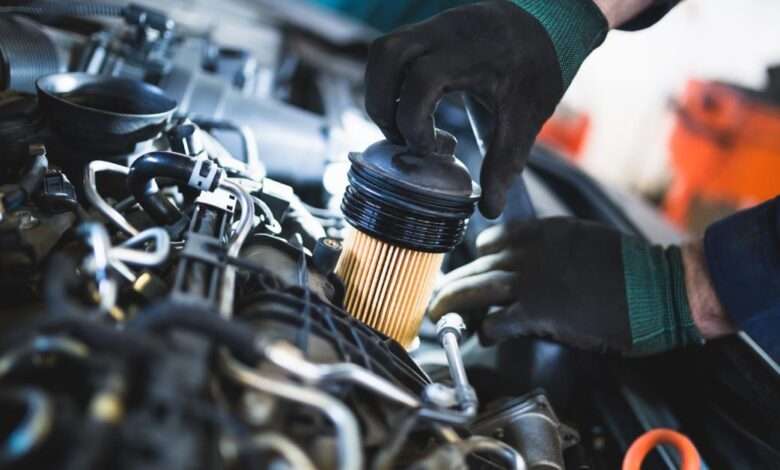
Car owners often focus on engine oil quality, but they overlook the importance of changing your oil filter. The oil filter plays a critical role in keeping your engine clean and operating smoothly. As oil circulates through the engine, it collects dirt, metal particles, and other contaminants. The filter traps this debris before it can cause damage. When you replace your oil without changing the filter, you allow old contaminants to mix with fresh oil, reducing its effectiveness from the start.
A clean oil filter supports proper lubrication, reduces friction, and helps maintain consistent engine temperature. By changing the filter regularly, you protect vital engine components and extend the life of your vehicle.
How a Dirty Oil Filter Affects Performance
A clogged or worn oil filter restricts oil flow. When oil cannot circulate freely, engine parts do not receive the lubrication they need. This lack of lubrication increases friction, which leads to overheating and premature wear. Over time, restricted oil flow can reduce fuel efficiency and cause sluggish performance.
In severe cases, a blocked filter may trigger warning lights or lead to serious mechanical damage. Drivers might notice unusual engine noises, reduced acceleration, or higher operating temperatures. Replacing the oil filter at recommended intervals prevents these issues and keeps the engine running at peak performance.
Long-Term Cost Savings
Routine maintenance always costs less than major repairs. A fresh oil filter helps prevent the buildup of harmful debris that can damage pistons, bearings, and other internal components. When these parts wear out, repair bills rise quickly.
By pairing every oil change with a new filter, you maintain clean oil circulation and reduce strain on the engine. This simple habit protects your investment and improves reliability. One of the most common mistakes when changing engine oil is neglecting the oil filter or installing it incorrectly. Paying attention to this small component can make a significant difference in your vehicle’s longevity.
Supporting Engine Efficiency
Modern engines operate with tight tolerances and advanced systems that rely on clean lubrication. Even minor contamination can interfere with precision components. A high-quality oil filter captures fine particles and supports efficient combustion.
Regular filter changes also promote better fuel economy. When engine parts move smoothly with proper lubrication, the engine does not work as hard to generate power. As a result, you use less fuel and reduce overall wear.
Make Oil Filter Changes a Priority
Drivers who understand the importance of changing your oil filter take a proactive approach to vehicle care. Replacing the filter with every oil change ensures clean lubrication, steady performance, and long-term engine protection. This straightforward maintenance step safeguards your engine, enhances efficiency, and helps you avoid unnecessary repair costs over time.
About The Author