Trove’s Snowvasion Event Brings Wintery Loot, Snowman Enemies to PC and Consoles

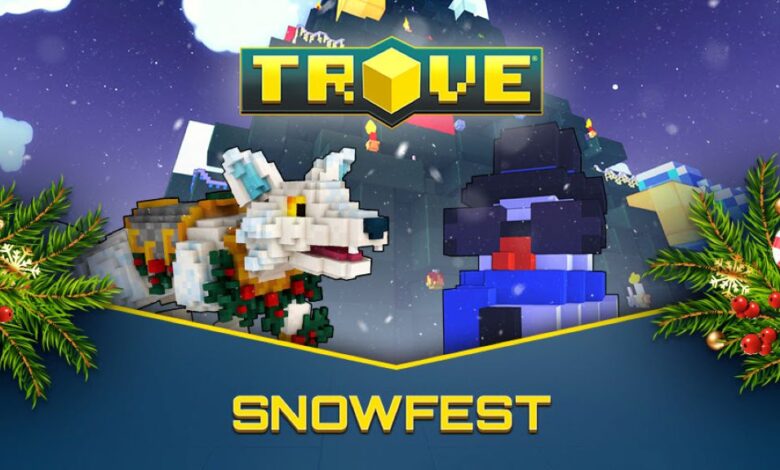
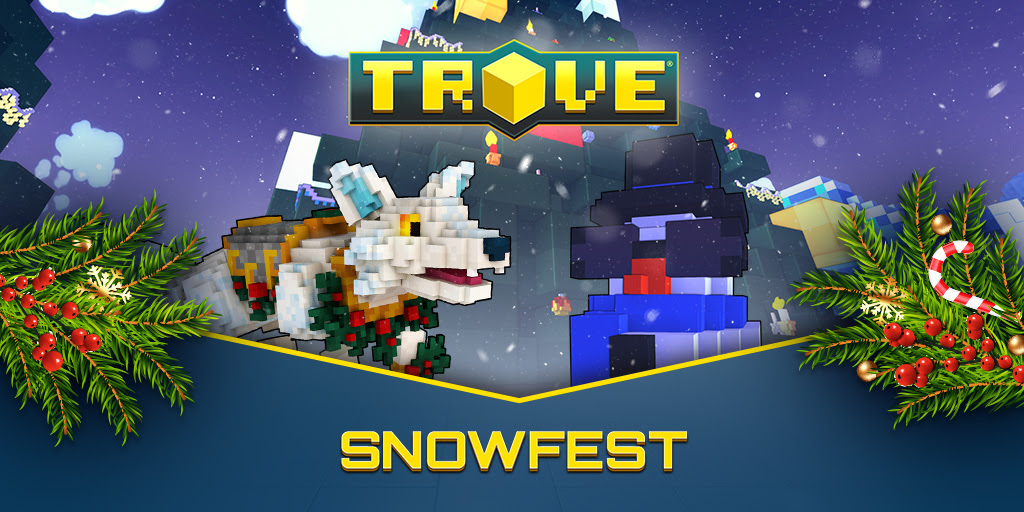
It’s time to bundle up! MMORPG publisher gamigo today launched Trove’s latest Snowfest event: Snowvasion 2024!
From December 17 through December 30, the voxel-based MMO brings ice-cold enemies along with a frosty yet fun event available on PC, PlayStation, Xbox, and Nintendo Switch consoles.
Watch the Trove Snowvasion trailer:
YouTube | Download
Snowvaders, mischievous snowman enemies, will quietly invade every corner of the world, slowly spreading through the biomes and bringing frosty chaos— along with unique wintery loot and crafting materials, such as Pristine Snow and Snowvader Remnants.
Featuring three new Snowman enemy types, unique interactions with in-game biomes, special 3-star “Tree” dungeons, and 1-star “Present” dungeons with rare rewards, this winter-themed event has plenty of content to engage with. Players can also use Pristine Snow to craft Snowfest rewards from previous years.
Trove is an open-world multiplayer sandbox that takes players on a journey through countless realms, tasking them with completing quests and defeating enemies of all shapes and sizes along the way.
Key Gameplay Features of Trove:
- Cubular Classes: Cube-kind can be anything they want! Master classes include Knight, Gunslinger, Ice Sage, Dracolyte, and Pirate-with-a-parrot, with awesome abilities ranging from impressive ninja techniques to deliciously yet deadly ice cream crushes
- Infinite and Fully Destructible: Roam through colorful, voxel-based realms, including untamed wilds and worlds made of candy, before using skills to destroy them, one beautiful block at a time
- Imagine It, Build It: Add to the land with all manner of building and crafting options, including a Cornerstone (mobile base), huge Club Worlds, dungeons, dragons, costumes, and even swords made out of bacon
- Lots of Loot: Loot to the heart’s content with all manner of shimmering treasures and mighty rewards to unlock and uncover throughout the land, such as special gear, ships, decorations, and collectibles
Trove is available free to play on Windows PC via Steam and the official website, PlayStation 4, Xbox One, and Nintendo Switch.
To keep up with Trove, follow the game on X (Twitter), like the official Facebook page, follow the game on Instagram, and join the Discord community.