Fire safety is important for all buildings and industries, and every industry should prioritize minimizing fire risks. However, some businesses are more susceptible to fires based on their practices and applications. Because of the added risk, these buildings need supplemental fire protection. Here are some of these industries that can benefit from fireproof materials in their buildings.
Construction
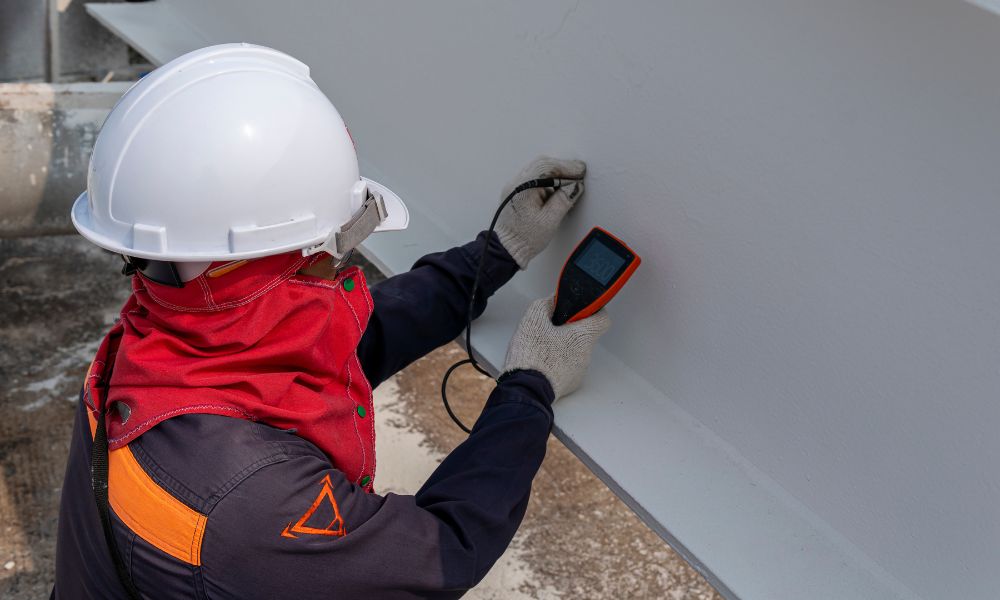
Construction sites are one of the most common applications for fireproof materials such as intumescent paints. Construction managers must be well-versed in the rules and laws concerning fire codes. This code requires most modern construction projects and construction companies to utilize fire-resistant materials and coatings.
Manufacturing
Manufacturing facilities utilize many different types of heavy equipment and manufacturing methods. Some of these equipment pieces and methods can put these industries at an increased risk of fire breakouts. For example, welding equipment frequently produces sparks, which can set nearby flammable materials ablaze. Any type of heavy equipment can experience breakdowns and overheat, causing further fire risks; therefore, all industrial facilities should be reinforced with intumescent coatings during the building phase.
Laboratories
Laboratories and testing facilities use a variety of chemicals and other flammable materials in experiments. Additionally, many experiments require open flames in the lab setting, which is a fire hazard alone. Because of the presence of heating equipment and flammable materials, laboratories and experimental facilities are prime targets for the installation of fireproofing coatings.
High-Occupancy Settings
Like any other buildings with high occupancy, educational buildings are great candidates for additional fireproofing measures. Because fire-retardant coatings help slow the spread of flames during a fire, they allow more time for occupants to evacuate the building before the fire spreads. Flame-resistant coatings can help save lives and promote better fire safety strategies in structures like office buildings, schools, and hospitals.
These are some of the most common applications for fireproofing materials and the industries that benefit from them.