A new dawn is coming to the virtual world in the shape of Metahunter, a platform that is focused on accessibility, education, and opportunity for any and all who want to experience the metaverse. Presales have now begun at https://metahunter.com/.

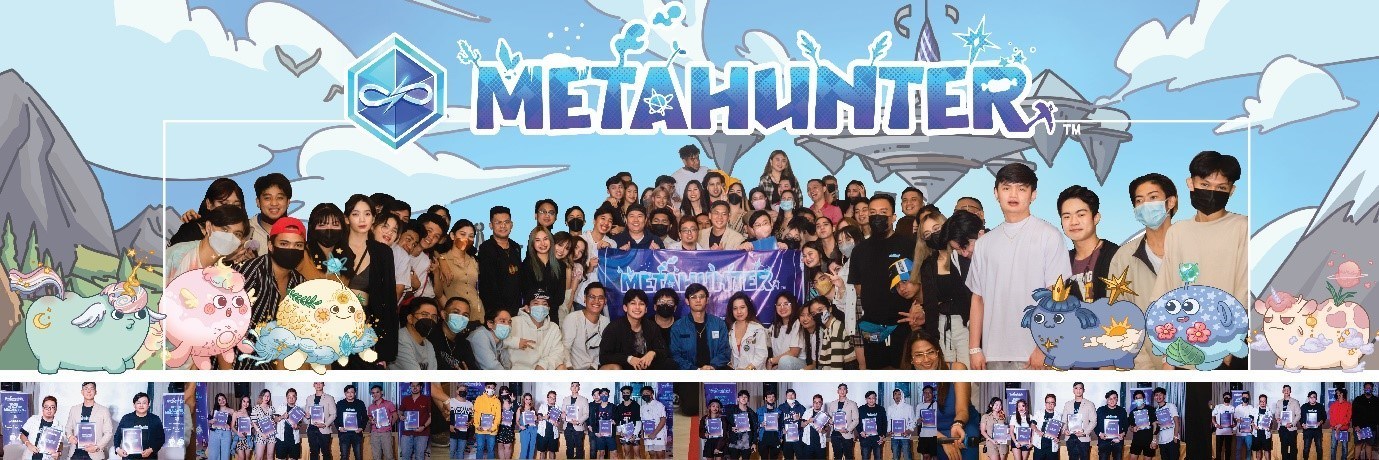
With over 500 influencers onboarded into the ecosystem, Metahunter is on track to becoming the largest Metaverse space in the world. Metahunter aims to become the Metaverse for all by providing equal opportunity to all regardless of social level, becoming the first of many to make the virtual experience a reality for millions of unserved people worldwide.
Unlike many other projects created in the market, Metahunter isn’t just trying to take advantage of the hype and short-term profits. Instead, Metahunter makes the Metaverse experience accessible to tens of millions of people in the market who don’t currently have the opportunity and knowledge to participate due to high entry costs and other barriers.
Not only does Metahunter provide a beginner-friendly platform, but it also provides a place for newcomers to learn more about play-to-earn gaming and blockchain technology. It gives everyone a chance to get into Metaverse at an affordable price. The new platform will offer those that haven’t been able to participate in play-to-earn gaming a unique first-time opportunity.
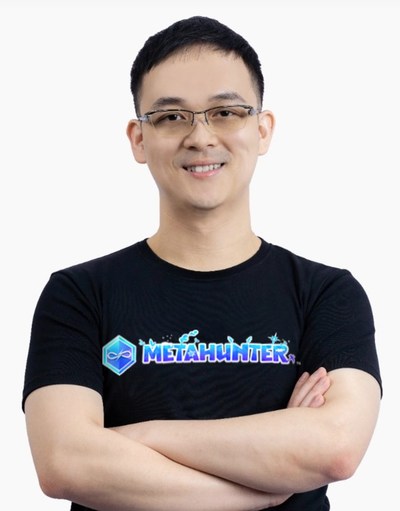
Founded by Allen Tan Chee Hoe, who previously founded Findwork, a recruitment platform with over 4 million verified and certified users that connects underserved personnel to working opportunities. Currently, Allen leads the Metahunter team of seasoned executives in blockchain, technology, capital markets, marketing, entrepreneurship, gaming, influencers, community builders, and more. The Metahunter team has a background from companies like Facebook Gaming, SuperCell, J.P. Morgan, Renaissance Capital, etc.
Unlike other platforms which rely on bots or other sources to generate traffic, Metahunter will build an organic approach. With a possible outreach of at least 100 million people globally, Metahunter is on track to create the most immersive Metaverse experience.
Metahunter is a “Metaverse for All” where everyone can play, learn, and earn together. Take advantage of this early opportunity, and let’s build the largest Metaverse world together!