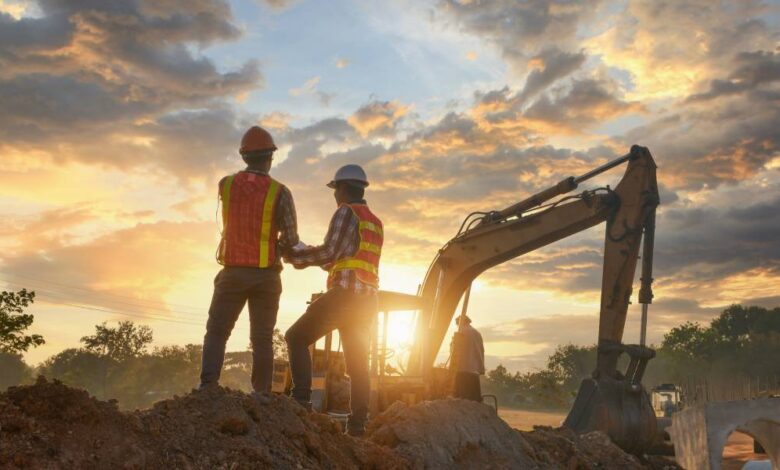
Lifting equipment plays a crucial role in construction, where transporting heavy materials and machinery is an everyday task. Proper lifting tools make the job faster and ensure the safety of workers and the durability of the materials being moved. This guide dives into four of the most common types of lifting equipment to help professionals better understand their applications and benefits.
Cranes
Cranes are essential for moving large loads over varying distances, and there are multiple types of cranes designed for specific tasks. Mobile cranes, for instance, are portable and have the ability to operate in confined spaces. Tower cranes are useful for high-rise construction projects thanks to their height and heavy lifting capacity. Selecting the right crane depends on factors such as the site’s dimensions, load weight, and radius of operation. Knowing the capabilities and limits of each type is critical for both efficiency and safety.
Forklifts
Forklifts are indispensable for handling vast amounts of construction materials efficiently. Their versatility allows them to maneuver in tight spaces while lifting and transporting heavy loads across short distances. Forklifts come in various sizes, ranging from small electric models to heavy-duty vehicles suitable for outdoor use. On construction sites, they are frequently used to unload deliveries, stack materials, and move supplies.
Hoists
Hoists are a staple for vertical lifting, especially in multilevel construction projects. Predominantly used to raise or lower materials, hoists come in manual, electric, or pneumatic varieties, each suited to different operational needs. They incorporate safety mechanisms such as overload protection to prevent accidents, making them effective for transporting materials securely. Hoists excel in lifting heavy items to considerable heights, saving workers time and reducing physical strain.
Chain Slings
Chain slings are crucial for securing loads during lifting operations. Known for their strength and durability, they are particularly effective in handling uneven or heavy loads. Made from high-grade alloy steel, chain slings can resist extreme conditions, including high temperatures and rugged environments. Proper usage and upkeep, such as regular inspections for wear and tear, are fundamental to their longevity. Using appropriate lifting hooks and attachments enhances their functionality while prioritizing workplace safety.
Selecting the right lifting equipment is vital to running an efficient and safe construction site. Each piece of equipment serves a unique purpose, enhancing operational productivity when used correctly. By understanding the importance of lifting equipment in construction, workers can make informed decisions, ensuring materials are handled with care and workers remain safe on the job. Proper training and adherence to safety protocols amplify the benefits of these most common types of lifting equipment, making them indispensable in the construction industry.
About The Author