Planning space missions is a very involved process, ensuring orbits are lined up and spacecraft have enough fuel is imperative to the long-term survival of orbital assets. Continuum Space Systems Inc. of Pasadena, California, produces a cloud-based platform that gives mission planners everything they need to certify that their space resources can accomplish their goals.
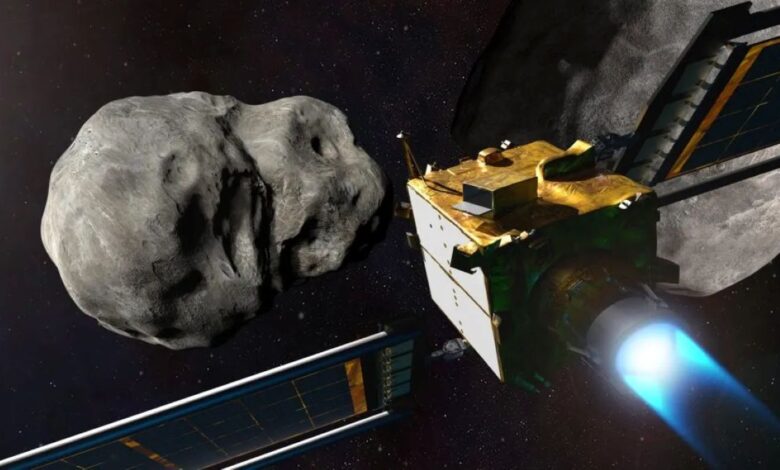
Continuum’s story begins at NASA’s Jet Propulsion Laboratory in Southern California. Loic Chappaz, the company’s co-founder, started at JPL as an intern working on astrodynamics related to NASA’s Double Asteroid Redirection Test. There he met Leon Alkalai, a JPL technical fellow who spent his 30-year career at the center planning deep space missions. After Alkalai retired from NASA, he founded Mandala Space Ventures, a startup that explored several avenues of commercial space development. Chappaz soon became Mandala’s first employee, but to plan their future, Mandala’s leadership began thinking about the act of planning itself.
Because the staff had decades of combined experience at JPL, they knew the center had the building blocks for the software they needed. After licensing several pieces of software from JPL, the company began building planning systems that were highly adaptable to any space mission they could come up with. Mandala eventually evolved into a venture firm that incubated space-related startups. However, because Mandala had invested considerably in developing mission-planning tools, further development could be performed by a new company, and Continuum was fully spun off from Mandala in 2021.

Continuum’s platform includes several features for mission planners, such as plotting orbital maneuvers and risk management evaluations. Some of these are built upon software licensed from the Jet Propulsion Laboratory.
Continuum Space Systems Inc.
Continuum’s tools are designed to take a space mission from concept to completion. There are three different components to their “mission in a box” — design, build and test, and mission operations. The base of these tools are several pieces of software developed at NASA. As of 2024, several space startups have begun planning missions with Continuum’s NASA-inspired software, as well as established operators of satellite constellations. From Continuum to several startups, NASA technologies continue to prove a valuable foundation for the nation’s space economy.
About The Author