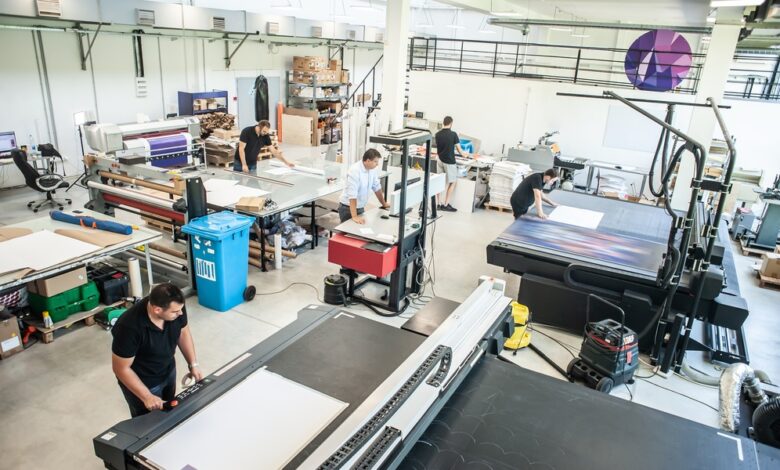
Humidity might feel like just another environmental factor, but for printing companies, it’s a silent disruptor. A well-controlled humidity level can ensure smooth operations, while an imbalance can cause issues that affect productivity, quality, and revenue. Discover the ways humidity impacts commercial printing companies and how you can address this problem.
1. Paper Quality Issues
Paper is like a sponge; it absorbs and releases moisture depending on the surrounding humidity. When humidity levels rise, paper can warp, wrinkle, or tear, creating a nightmare for print jobs. On the flip side, low humidity can cause static between sheets of paper. Paper quality issues can impact ink absorption, ultimately damaging the final print.
High humidity also creates issues in binding processes like saddle stitching, where tearing becomes a common problem. Controlling the humidity in your facility is one of the best ways to fix tearing issues in saddle stitching equipment so that you can avoid wasting valuable paper and time.
2. Ink Drying Problems
Printing and wet ink go hand in hand, but when humidity is too high, it slows down the ink drying process. This increases the chances of ink smudging or transferring to other surfaces during offset printing. On the other hand, low humidity accelerates the drying process, which might sound good until it affects the distribution of ink on paper. Either way, humidity makes it harder to achieve crisp, clean results, compromising the customer experience.
3. Equipment Malfunctions
The impact of humidity doesn’t stop with materials; it can wreak havoc on your machinery, too. High humidity can lead to condensation on printing equipment, causing corrosion, rust, and electrical issues. Sensitive components like rollers or feeder systems may malfunction if exposed to excessive moisture. Low humidity can encourage static electricity build-up, leading to paper jams and other equipment hiccups. Keeping machinery in good shape requires a balanced humidity level to avoid both types of damage.
4. Color Inconsistencies
Achieving consistent color is essential for professional printing, but humidity can throw a wrench in this process. High moisture levels can cause ink to shift or bleed, affecting color density and vibrancy. Conversely, low humidity often leads to ink drying too quickly, which can alter how colors appear on the final material.
5. Increased Operational Costs
Humidity issues inevitably lead to financial strain, primarily through increased operational costs. Warped paper, ink smudging, and damaged equipment contribute to wasted materials and require expensive reprints. Unexpected equipment repairs or replacements due to corrosion further add to expenses. The combination of these factors results in higher operating costs and a more challenging path to profitability.
By understanding the ways humidity impacts commercial printing companies, you can begin to take necessary precautions to mitigate its effects. From installing industrial dehumidifiers to monitoring your facility’s humidity levels, these actions can prevent unnecessary delays and quality issues. Proactive humidity management keeps your print shop running smoothly while safeguarding your bottom line.
About The Author