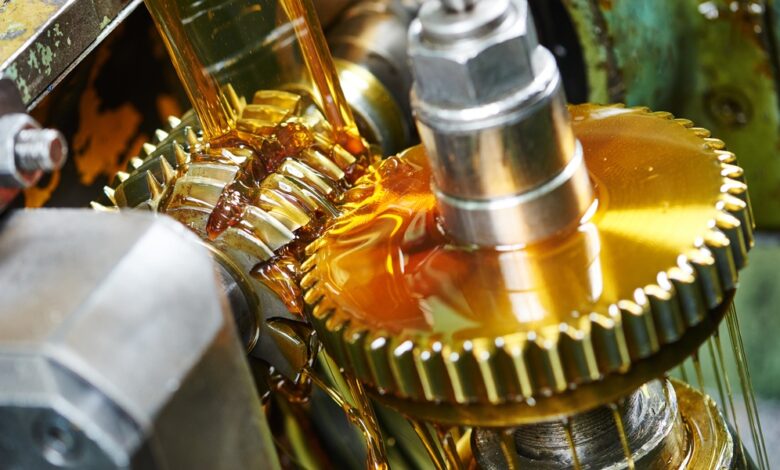
Food safety and equipment performance are critical concerns in industries ranging from food production to pharmaceuticals. This is where food-grade lubricants play an essential role. These specialized lubricants are carefully formulated to meet stringent safety standards, ensuring they are safe for incidental contact with products. Understanding the different types of food-grade lubricants helps manufacturers choose the right one for their operations.
Mineral Oil-Based Lubricants
Mineral oil-based lubricants are one of the most commonly used options in food-grade applications. These lubricants are nonsynthetic and derived from refined petroleum. Their primary advantage lies in affordability and availability, making them a go-to choice for many businesses.
Mineral oil-based lubricants excel in applications where heat levels are moderate and contaminants need to be minimized. However, they may not perform as efficiently as their synthetic counterparts in extreme temperatures or under heavy loads.
Synthetic Lubricants
Synthetic lubricants are celebrated for their superior performance and versatility. These high-stability lubricants handle extreme conditions, such as high or low temperatures, better than mineral oil-based options. They are commonly derived from synthetic fluids like esters or polyalphaolefins (PAOs).
Synthetic food-grade lubricants improve efficiency and ensure compliance in demanding environments like dairy processing and pharmaceutical manufacturing. Their downside usually comes in the form of higher costs, but for operations requiring reliability and minimal downtime, they provide excellent value.
Vegetable Oil-Based Lubricants
Made from natural plant oils, such as soybean or sunflower oil, vegetable oil-based lubricants appeal to sustainability-conscious brands. They are biodegradable, nontoxic, and renewable, making them an excellent fit for industries seeking eco-friendly alternatives.
While ideal for operations requiring environmentally friendly solutions, vegetable oil-based lubricants may face limitations in extreme operational conditions, such as very high temperatures.
Grease Lubricants
Grease lubricants are a thickened form of oil, mixed with additives that make them effective in high-friction areas. They are widely used in machinery where components, such as gears or bearings, need additional protection against wear and tear.
Food-grade grease lubricants typically come in synthetic or mineral oil-based varieties, tailored for various operating conditions. Their ability to stay in place, even under heavy loads or in wet environments, makes them ideal for conveyor belts or mixers within food production facilities.
Dry Lubricants
Dry lubricants, such as those made with PTFE (polytetrafluoroethylene), provide a unique solution for applications where traditional liquid lubricants are impractical. These lubricants form a dry film over machinery components, reducing friction and preventing contamination in sensitive processes. They are especially beneficial for high-temperature equipment, like oven chains, or in cleanroom settings, as required in pharmaceutical production.
Choosing the Right Food-Grade Lubricant
Selecting the correct lubricant depends on the specifics of the operation, including temperature ranges, load requirements, and environmental factors. Manufacturers should also align their choice with industry regulations to ensure compliance and maintain product integrity.
For those working in dual industries like food and pharmaceuticals, using lubricants approved for food-grade use in pharmaceutical manufacturing ensures safety and efficiency in every step of the process.
A tailored approach to lubricant selection improves equipment reliability and strengthens a company’s reputation for safety and quality. Take the next step toward improving your operations by evaluating your specific needs and consulting with a food-grade lubricant expert.
About The Author