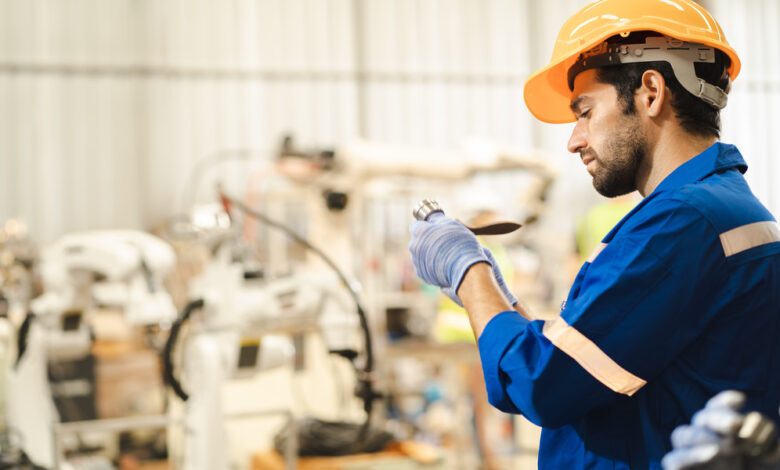
Creating parts with intricate geometries can often feel like solving a challenging puzzle. These components demand precision, versatility in materials, and scalability in production. Understanding the molding processes best suited for such requirements can help manufacturers achieve outstanding results. Below, we break down the top molding processes for producing complex part geometries, highlighting their unique strengths and applications.
3D Printing
3D printing, also known as additive manufacturing, is ideal for producing complex part geometries with ease. Its ability to construct parts layer by layer allows manufacturers to achieve designs that traditional methods simply cannot replicate. This process also supports a wide variety of materials, from plastics to metals, making it highly versatile.
A significant advantage of 3D printing lies in its suitability for rapid prototyping. Businesses can quickly turn ideas into physical parts and refine them before moving into production, saving time and reducing development costs. The lack of tooling requirements also positions 3D printing as a cost-effective solution for low-volume runs or highly customized components.
Injection Molding
When it comes to producing identical parts in large quantities, injection molding remains the gold standard. This process involves injecting molten material, typically plastic, into a custom mold where it cools and solidifies. The precision of this method ensures it excels at handling intricate designs and features.
Additionally, injection molding supports a broad range of polymers, allowing manufacturers to meet both strength and flexibility requirements. While the initial tooling cost may be higher than other methods, the per-unit cost drastically decreases as production scales up. This reduction makes it ideal for enterprises focused on high-volume applications.
Investment Casting
Investment casting stands out for its ability to produce intricate shapes with exceptional surface finishes. This method includes crafting a wax model of the component, surrounding it with a ceramic shell, and then removing the wax to create a hollow cavity. Molten material, often metals like steel or aluminum, is then poured to create the final product.
One of the biggest advantages of investment casting is its compatibility with a wide range of materials, from aluminum alloys to titanium. Its precision and ability to meet tight tolerances make it a preferred choice for industries like aerospace, automotive, and medical device manufacturing.
Metal Injection Molding
Metal injection molding combines the precision of injection molding with the strength and durability of metals. By injecting metal powders mixed with binders into molds and then sintering the parts, MIM can produce highly detailed components with tight tolerances. This process is particularly effective for small, intricate parts that demand high-strength materials.
Its efficiency also extends to mass production, making it a go-to option for industries like electronics, healthcare, and automotive manufacturing. With MIM, producers can effectively tackle complex designs while achieving cost-effectiveness at scale.
Die Casting
Die casting is an efficient process for producing parts made from non-ferrous metals like zinc, aluminum, and magnesium. This method involves forcing molten metal into steel molds under high pressure, which allows for precise dimensions and smooth surface finishes. One of the biggest strengths of die casting is its rapid production capabilities, making it a top choice for projects that require thousands of identical parts.
Beyond its speed, die casting delivers excellent material strength and allows the integration of complex features such as thin walls or textured surfaces. This process is a great fit for applications in industries like consumer electronics, automotive, and manufacturing equipment.
Choosing the Right Molding Process
Selecting the right molding process is crucial for achieving a high-quality final product when working with intricate part designs. Each approach has its strengths, from the scalability of injection molding to the precision of investment casting. MIM and die casting excel when metallic components take center stage, while 3D printing offers unparalleled design freedom during prototyping or customized runs. Ultimately, the best choice depends on your material needs, production volume, and design complexity.
Understanding the top molding processes is important for striking a balance between efficiency, precision, and innovation in manufacturing. With each process offering unique advantages, selecting the right method enables businesses to meet their specific goals while optimizing cost and quality. By carefully evaluating your needs and leveraging the versatility of these processes, you can transform complex designs into exceptional final products, driving success in a competitive marketplace.
About The Author