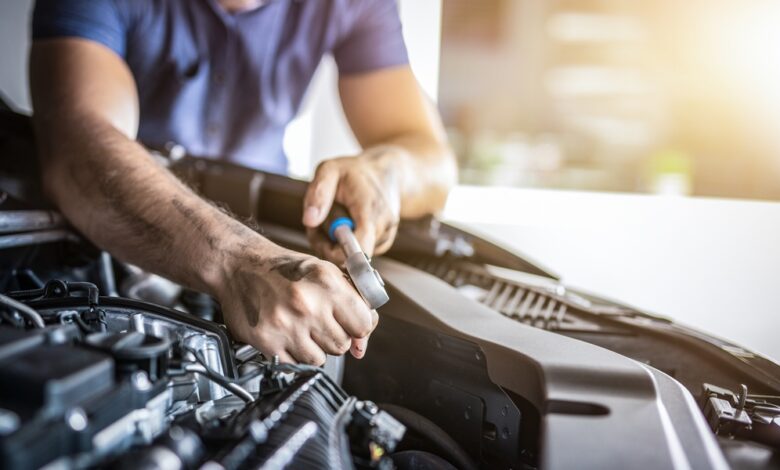
Working on your car can be incredibly rewarding, but one wrong move can land you in the emergency room. Whether you’re changing brake pads or rebuilding an engine, explore some key strategies to avoid injuries when working on cars.
Use Proper Jack Stands
Never trust a jack alone to support your vehicle since hydraulic jacks can fail without warning. Instead, always use quality jack stands rated for your vehicle’s weight, and position them on solid frame points, not on flimsy panels or suspension components.
Wear Safety Gloves
Your hands take the biggest beating during automotive work. Sharp metal edges, hot components, and caustic fluids can slice, burn, or chemically damage your skin. Fortunately, safety gloves protect your hands from injuries, so make sure to invest in high-quality gloves made from cut-resistant materials such as Kevlar or synthetic leather.
Look for gloves with reinforced palms and fingers that still allow dexterity for handling small parts. Nitrile-coated gloves work great for oil changes and fluid work, while heavier welding gloves protect you during exhaust system repairs.
Keep Your Workspace Clean and Well-Lit
A cluttered garage is more prone to accidents. Tools scattered on the floor can easily create tripping hazards, and poor lighting leads to mistakes that can injure you or damage your car.
Install bright LED work lights, keep extension cords out of walkways, and consider using magnetic trays or containers to organize bolts and small parts. Always clean up oil or coolant spills immediately to avoid slipping hazards.
Disconnect Batteries Before Electrical Work
Short circuits can cause fires or damage expensive electronics. To avoid these situations when working on electrical components, always disconnect the negative battery terminal first. Before continuing your work, wait at least 10 minutes to allow capacitors to discharge.
Car repair doesn’t have to be dangerous when you follow basic safety protocols. Now that you know how to avoid injuries when working on cars, you can prevent potentially hazardous scenarios from happening.
About The Author