NASA’s SpaceX Crew-10 Looks Back at Science Mission
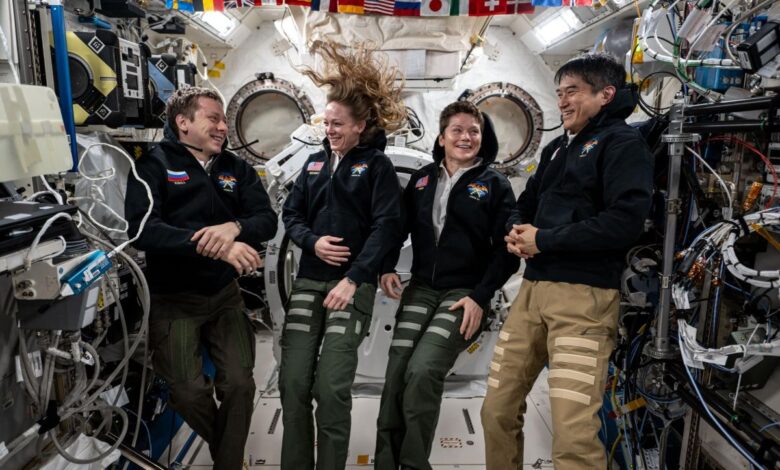
NASA’s SpaceX Crew-10 mission with agency astronauts Anne McClain and Nichole Ayers, JAXA (Japan Aerospace Exploration Agency) astronaut Takuya Onishi, and Roscosmos cosmonaut Kirill Peskov is preparing to return to Earth in early August after a long-duration mission aboard the International Space Station. During their stay, McClain, Ayers, and Onishi completed dozens of experiments and technology demonstrations, helping push the boundaries of scientific discovery aboard the orbiting laboratory.
Here’s a look at some scientific milestones accomplished during the Crew-10 mission:
Orbital effects on plants
NASA
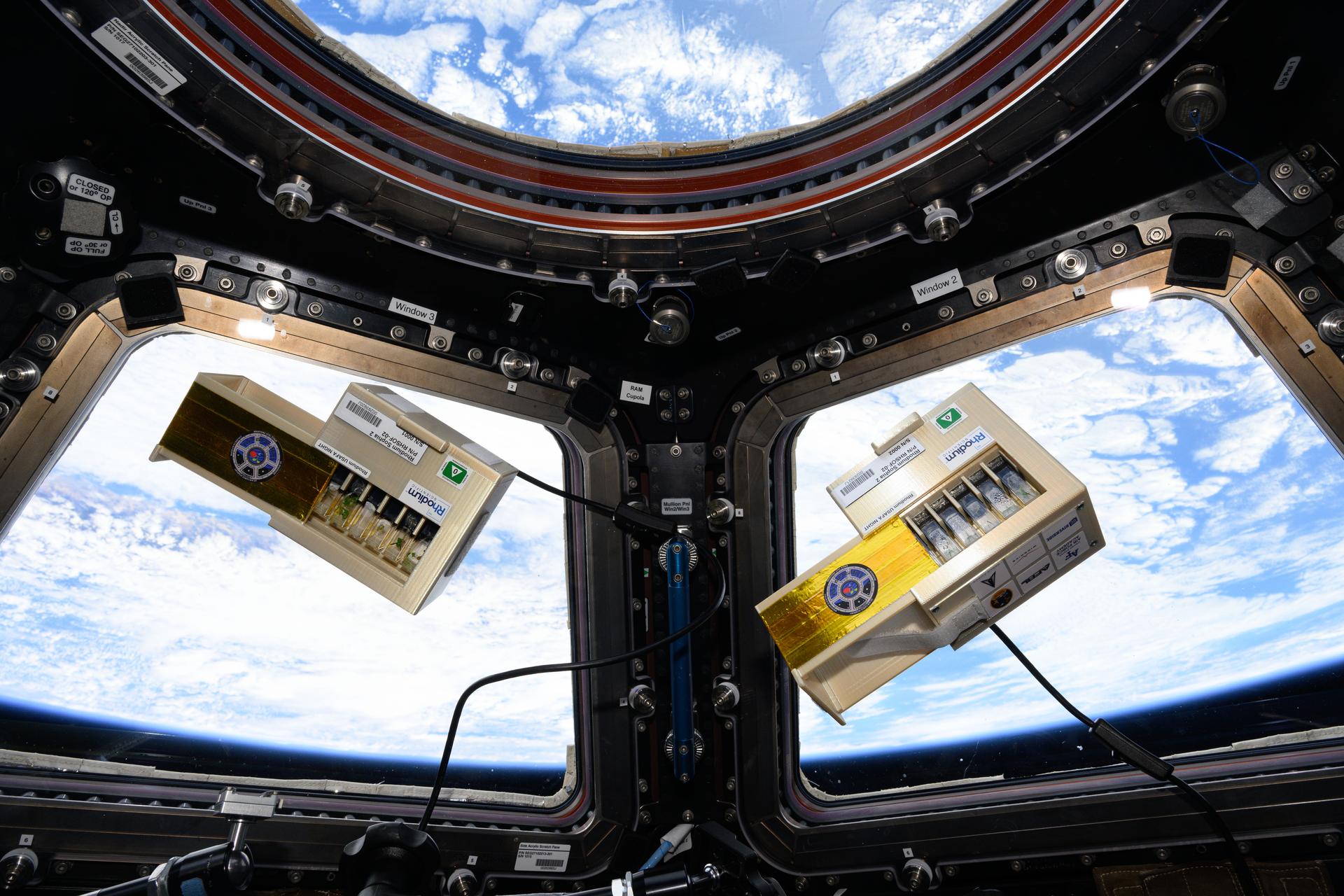
The canisters floating in the cupola of the International Space Station contain wild-type and genetically-modified thale cress plants for the Rhodium Plant LIFE experiment. The investigation studies how radiation and gravity environments at different orbital altitudes affect plant growth by comparing Crew-10 data with plants flown aboard the Polaris Dawn mission, which flew deeper into space. Studies have shown microgravity affects growth rates, and a better understanding of the mechanisms behind this could improve plant growth techniques in space and on Earth.
Solar spacewalk
NASA
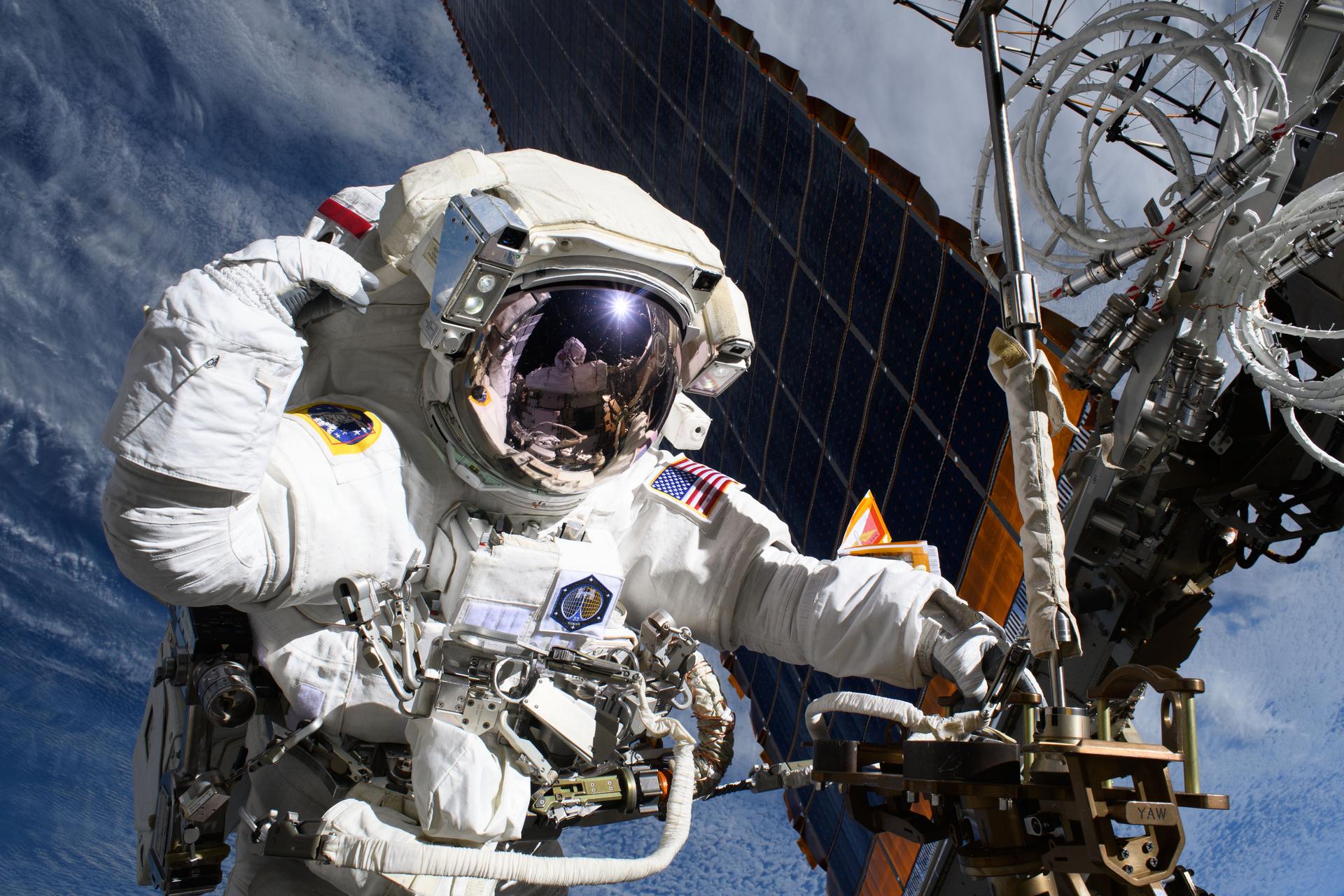
NASA astronaut Anne McClain conducts a spacewalk to upgrade the International Space Station’s power generation systems, which include main solar arrays like the one visible behind her. McClain is installing hardware to support an IROSA (International Space Station Roll-Out Solar Array), a type of array that is more compact and produces more power than the station’s original ones. The IROSAs were first demonstrated aboard the orbiting laboratory in June 2017, and eight have been installed to augment the power available for scientific research and other activities.
About The Author