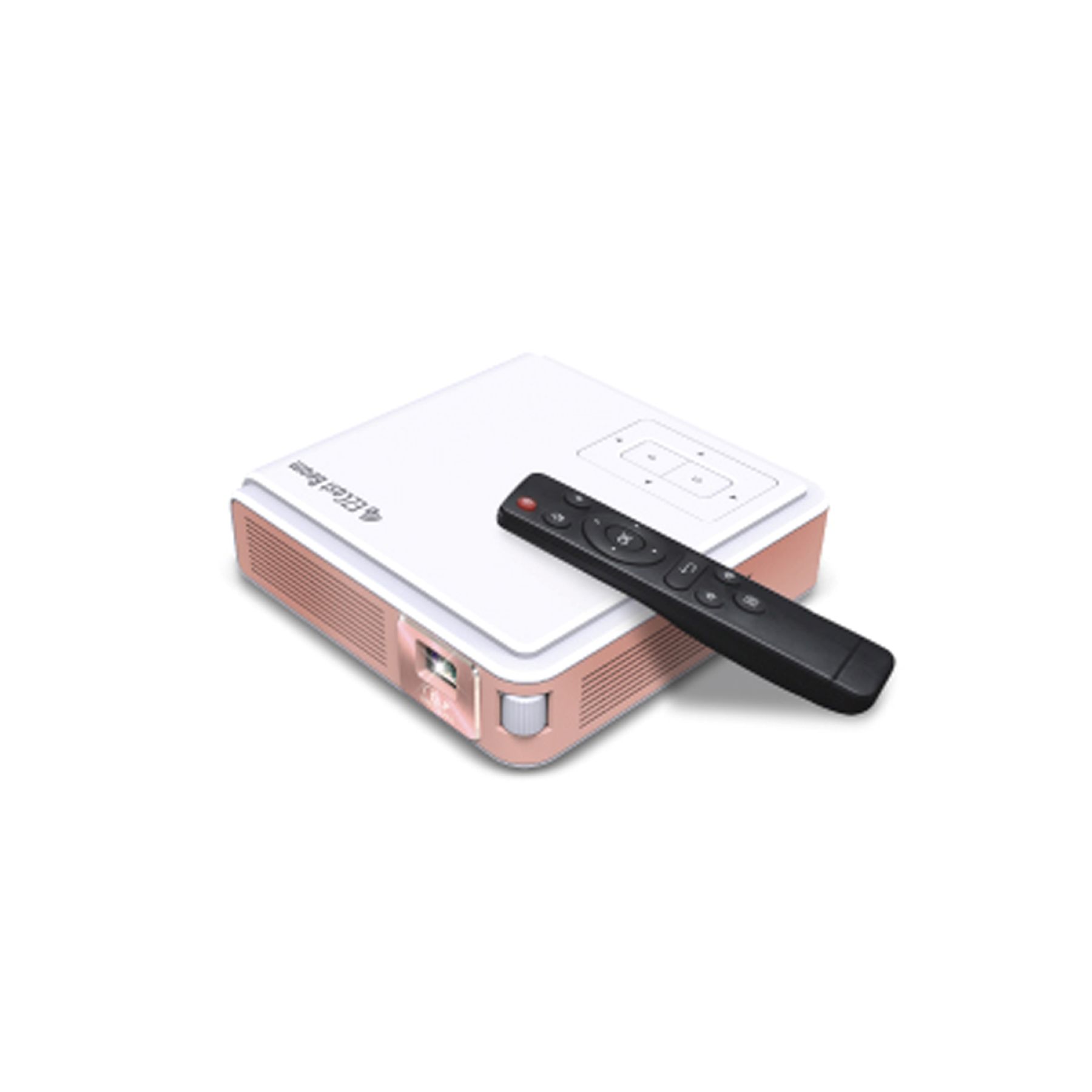
| Click here for high-resolution images and MS Word versionEZCast Exclusively Debuts New Compact Mate SeriesSmartphones and laptops are often used to watch streaming services, work on documents, emails and much more, but sometimes the small screen isn’t the best experience to watch or share them. The Compact Mate series enables users to wirelessly cast their small screen mobile display to a large screen TV or projector. As the name suggests, Compact Mate is incredibly portable: easily carried in a pocket or bag. No app installation or Wi-Fi network is required, simply plug-in the dongles into the mobile device and TV. As USB-C ports are now regularly available in smartphones and laptops, the Compact Mate can be used with either device. EZCast is exclusively debuting its Compact Mate2, Compact Mate3, and Compact Mate4 at Computex 2023.Compact Mate2: HDMI/USB-C transmitter + HDMI receiverCompact Mate3: USB-C transmitter + HDMI receiverCompact Mate4: USB-C transmitter + HDMI receiver. The mobile device can be charged through the Mate4 transmitter while connecting the USB power adapter to Mate4 transmitter.Learn more about EZCast Compact Mate series: https://reurl.cc/qkyW5R EZCast ProAV WT02 & WR02: Professional Wi-Fi Display Extender, Splitter, SwitchWirelessly send multiple displays and system inputs up to 180m, and control it all securely and remotely from an easy-to-use CMS. Ideal for tradeshows, exhibitions, advertising, or other events, the EZCast ProAV WT02 and WR02 are Wi-Fi Display Extender, Splitter and Switch. With the flexibility to scale up to 255 channels, it can all be managed via the EZCast ProAV CMS, with iKVM to remotely control the display sources. By using 5GHz Wi-Fi it can integrate with existing infrastructure without additional setup time. Operators can easily switch sources and displays, giving class-leading flexibility to meet each operational scenario. Ensure secure wireless transmission using AES encryption and WPS2 authentication. Learn more about EZCast ProAV WT02 & WR02: https://reurl.cc/0ELMX6 EZCast Beam J4 Projector: Compact, Portable DLP ProjectorBased on the popular Beam J4a, new at Computex 2023, EZCast is introducing the Beam J4 projector. By streamlining the design and making it more affordable, simply connect this portable projector directly to a smartphone or computer to create a large display for everyone to see. With USB, HDMI and 3.5mm stereo audio ports it’s great for presenting to a group, educational purposes, camping or traveling, watching streaming services, listening to music, or playing games. Palm-sized and just 384g it conveniently fits in any bag or travel pack. DLP technology provides bright, clear & big images with vibrant colors and a strong 300 ANSI brightness. With a 1.3:1 throw ratio, it’s capable of projecting up to 100-inch displays at short distances, giving big screens to small rooms. This ultra-portable device features a large internal battery that provides up to 5 hours of playtime per charge. Learn more about EZCast Beam J4: https://reurl.cc/Q40Kbo EZCast Will Also Exhibit the Following:EZCast Pocket: Portable Wireless Display Transmitter and Receiver Kit (USB/HDMI)Learn more: https://reurl.cc/2WXR8mEZCast QuattroPod T02+Learn more: https://reurl.cc/Nq3KGmEZCast ProAV With ZERO LATENCY (EZL)Learn more: https://reurl.cc/8qQxjo To book a visit with EZCast at Computex 2023, please register at https://reurl.cc/KMZ1Ag About EZCastActions Microelectronics Co., Ltd, is a leading wireless display solution provider that offers complete OEM/ODM services from IC, to product module, through to finished product. EZCast, an Action Microelectronics premier consumer brand, creates innovative wireless digital accessories, Wi-Fi dongles, Wi-Fi projectors, and Wi-Fi presentation system. Its products are thoroughly tested and packed to excellent quality standards, providing customers with more convenient wireless display solutions. EZCast is a leading provider of universal screen mirroring technologies. It specializes in wireless display devices such as EZCast Ultra and the EZCast TwinX, as well as projector products such as the EZCast Beam J4a, and multi-modal capture box EZCast CatchU for game streamers. It strives to bring home entertainment experiences to the next level. Learn more about at www.ezcast.com. Reach EZCast on Facaebook: @iezcast or on YouTube: @EZCast. |