Modern manufacturing demands accuracy at every step. Equipment failures, measurement errors, and quality control issues cost manufacturers millions annually. Smart precision technology investments can transform these challenges into competitive advantages.
Advanced Measurement Systems Transform Quality Control
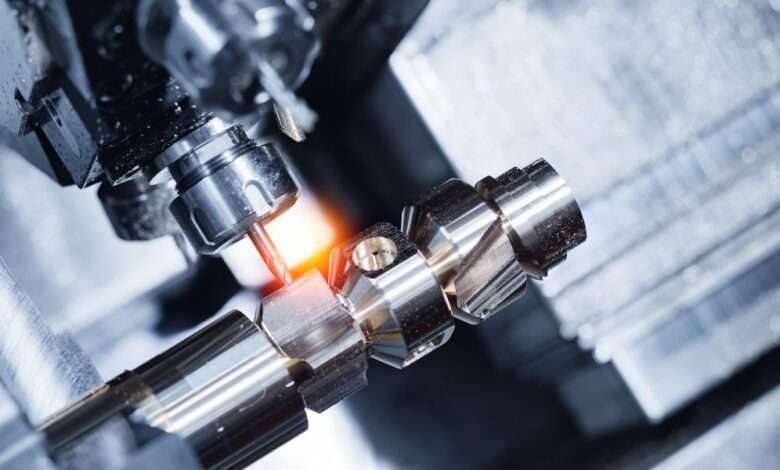
Digital measurement tools have revolutionized how manufacturers verify product specifications. Coordinate measuring machines (CMMs) now deliver micron-level accuracy across complex geometries. These systems integrate seamlessly with production lines, catching defects before they reach customers.
Smart sensors embedded throughout machinery provide real-time feedback on dimensional accuracy. When paired with automated inspection systems, manufacturers reduce human error while increasing throughput. The advantages of using a ruby ball stylus in these measurement applications include enhanced durability and consistent contact pressure across diverse materials.
Laser Technology Enhances Manufacturing Precision
Laser-guided systems bring unprecedented accuracy to cutting, welding, and marking operations. Unlike traditional mechanical guides, laser positioning eliminates cumulative errors that compound across production runs. Manufacturers report tolerance improvements of up to 50 percent when switching from conventional methods.
Laser interferometry takes measurement precision even further. These non-contact systems measure distances with nanometer resolution, making them invaluable for semiconductor manufacturing and aerospace applications. The technology works equally well in harsh industrial environments where traditional measurement tools fail.
Automated Vision Systems Reduce Human Error
Machine vision systems process thousands of parts per hour while maintaining consistent quality standards. These systems detect surface defects, dimensional variations, and assembly errors that human inspectors might miss during long shifts.
Advanced algorithms now recognize complex patterns and anomalies across different product lines. Manufacturers can reprogram these systems quickly as product specifications change, maintaining flexibility without sacrificing accuracy. Integration with existing production management systems creates seamless quality tracking from raw materials to finished goods.
Making Smart Technology Investments Pay Off
Successful precision technology implementation starts with identifying your biggest quality challenges. Manufacturers should audit current processes to find where measurement errors, equipment failures, or quality issues create the highest costs.
Calculate return on investment by tracking quality improvements, reduced waste, and maintenance savings. Most manufacturers see payback within 18 months when they choose appropriate technologies for their specific challenges.
The manufacturing landscape continues evolving rapidly. Companies that embrace precision technologies now position themselves for sustained competitive advantage. Quality improvements, cost reductions, and operational efficiency gains compound over time, creating significant value for forward-thinking manufacturers.
About The Author