Laboratory equipment decisions can make or break your research efficiency and safety protocols. Among the most debated purchases sits the autoclave—a steam sterilization powerhouse that some labs swear by while others question its necessity. Whether you should invest in one depends on your specific laboratory operations and requirements.
What Makes Autoclaves Essential for Some Labs
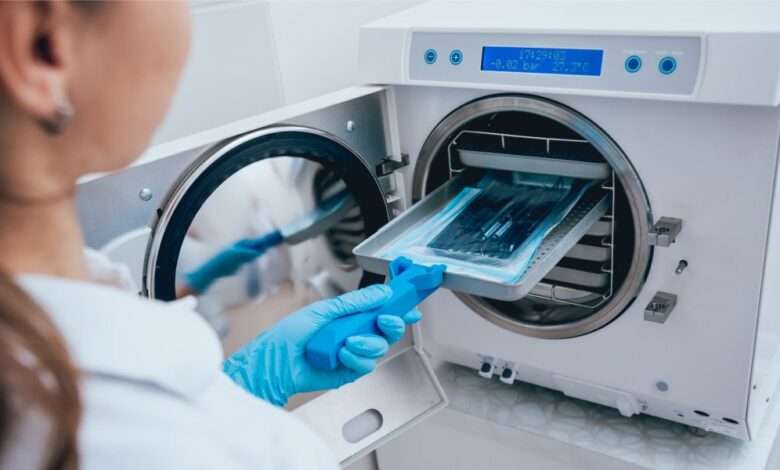
Microbiological laboratories require autoclaves for proper sterilization. These facilities handle infectious agents, bacterial cultures, and contaminated materials that demand the complete elimination of all microorganisms. Steam sterilization at high temperatures and pressure remains the gold standard for destroying even the most resistant spores and pathogens.
Research laboratories working with cell cultures also rely heavily on autoclave sterilization. Media preparation, glassware decontamination, and waste treatment all benefit from the thorough sterilization that autoclaves provide. Autoclaves offer consistent, validated sterilization that other methods struggle to match.
When Alternative Sterilization Methods Suffice
Analytical chemistry labs often find autoclaves unnecessary for their daily operations. These facilities typically handle non-biological samples and synthetic compounds that pose minimal contamination risks. Chemical cleaning and standard washing procedures usually meet their sterilization needs without requiring steam sterilization.
Educational laboratories operating at basic levels may also skip autoclave purchases. Simple teaching experiments rarely involve hazardous biological materials, making chemical disinfectants and standard cleaning protocols adequate for maintaining safety standards.
Cost Considerations That Impact Your Decision
Autoclave acquisition involves a substantial upfront investment beyond the equipment price. Installation requires specialized plumbing, electrical work, and ventilation systems that can double your initial costs. Additionally, maintenance contracts, calibration services, and energy consumption add ongoing expenses that smaller labs must carefully consider.
However, the long-term value proposition often justifies these expenses for qualifying laboratories. When you choose the best autoclave for your lab, you invest in reliability that reduces contamination risks, ensures regulatory compliance, and protects valuable research from costly setbacks.
Regulatory Requirements Drive Many Decisions
Accreditation bodies and regulatory agencies often mandate autoclave sterilization for specific laboratory types. Clinical laboratories, pharmaceutical research facilities, and biosafety-regulated environments face strict sterilization requirements that only autoclaves can reliably meet.
Government contracts and industry partnerships frequently specify autoclave sterilization in their protocols. Labs seeking these opportunities must invest in appropriate equipment to remain competitive and compliant.
Making the Right Choice for Your Laboratory
Evaluate your specific sterilization needs before making any equipment decisions. Consider the types of materials you handle, contamination risks you face, and regulatory requirements you must meet. Small-scale operations might find benchtop units sufficient, while high-throughput facilities require larger chamber capacities.
The autoclave question ultimately boils down to matching your equipment to your lab’s needs rather than following industry trends. Smart laboratories invest in autoclaves when their operations demand reliable steam sterilization—and choose alternative solutions when they don’t.
About The Author