The journey from a perfect digital design to a flawless physical product can sometimes feel like a game of telephone. What starts as a clear concept in CAD software can end up slightly or significantly different on the production floor. This disconnect is a common headache in manufacturing. Fortunately, modern metrology offers powerful tools for bridging the gap between design and production.
The Disconnect Between Design and Production
Even the most brilliant engineering designs face challenges once they reach the factory. Small differences in machine tolerances, communication breakdowns between teams, or unaligned software can cause significant deviations. What looked perfect on screen may not assemble correctly in reality, leading to costly rework and delays. Skip the finger-pointing and focus on process alignment.
Integrating Digital Design Tools With Manufacturing
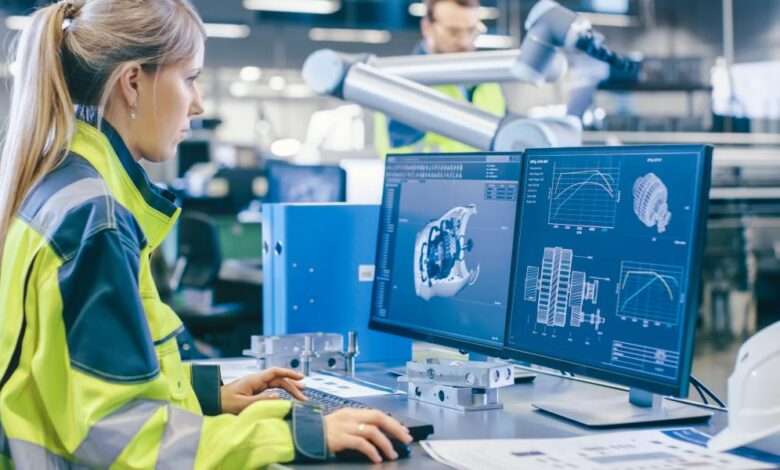
Modern digital tools offer a direct path to better alignment. Integrated CAD and CAM systems, detailed digital twins, and advanced simulation software create a shared language between designers and the production line. When teams share data in real time, they can catch potential errors before any material is cut. This leads to fewer mistakes, faster iterations, and a smoother path from concept to creation.
Precision Measurement and Quality Alignment
Accurate measurement technology tightens the connection between design intent and the finished product. By verifying that physical components match their digital blueprints, teams can identify and correct deviations immediately. Advanced metrology solutions, such as laser trackers that enhance manufacturing precision, play a vital role. They provide high-accuracy data to confirm that parts and assemblies remain true to the original design.
Encouraging Cross-Department Collaboration
Technology is only half the solution; the human side is just as critical. Fostering a culture of collaboration between engineering and production teams is essential. When designers and production managers participate in joint reviews and work toward shared goals, they can anticipate problems and find practical solutions together. This open communication prevents the “over-the-wall” mentality that often leads to misalignment.
Building a Continuous Feedback Loop
The collaboration should not end when production begins. By establishing a continuous feedback loop, the production team can provide valuable data back to the design department. Information on machine performance, material behavior, and assembly challenges can inform future design improvements to support long-term efficiency and innovation. This ongoing partnership is the key to bridging the gap between design and production.
About The Author