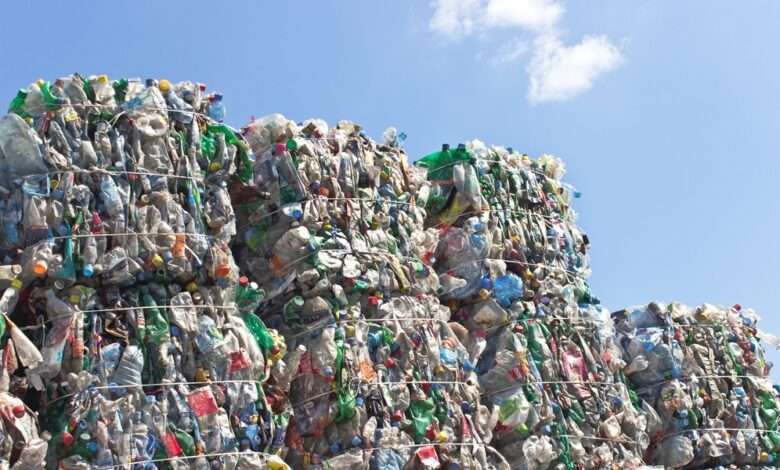
The journey of a product from raw materials to your doorstep involves a complex network called the supply chain. What happens after you discard that product’s packaging or the product itself is just as complicated. The increasing focus on recycling affects global supply chains, reshaping industries and how resources are managed. Understanding this link shows how individual recycling habits help shape a larger economic and operational picture.
Recycling impacts global supply chains by creating new streams of raw materials, influencing manufacturing costs, and driving innovation in logistics. This process presents both opportunities and challenges for businesses worldwide.
Recycling Reduces Dependence on Virgin Materials
Extracting virgin materials like ore, timber, and crude oil requires significant energy and resources. Recycling items such as aluminum cans, paper, and plastic bottles reintroduces valuable materials into the manufacturing cycle, fostering a “circular economy” where waste from one process feeds into another.
For instance, recycling aluminum cans consumes 95% less energy than producing aluminum from raw bauxite ore. This increased efficiency lowers production costs and eases pressure on natural resources, helping manufacturers become less vulnerable to price fluctuations in volatile commodity markets.
Recycling Creates New Economic Opportunities
The recycling industry itself adds a new layer to the global supply chain. It generates jobs in collection, sorting, and processing. Specialized facilities now handle millions of tons of recyclables, transforming them into marketable commodities.
These materials feed into various industries. For instance, recycled plastics can become new bottles, polyester fibers for clothing, or composite lumber for construction. This creates a secondary market for materials, offering businesses alternative sourcing options and fostering competition, which can lead to more stable pricing.
Logistical Challenges and Innovations Emerge From Recycling
Integrating recycled materials into the supply chain faces challenges due to variable quality, requiring advanced sorting and strict quality control. Global trade of scrap involves complex logistics, like a plastic bottle from the U.S. being shipped overseas for processing before returning to a manufacturer.
Glass recycling, however, operates differently. Because glass is heavy and expensive to transport, its recycling loop is typically localized, benefiting regional economies. This has led to innovations in reverse logistics, where goods are collected and returned through the supply chain for reuse or recycling. Innovations like these, along with fascinating aspects of glass recycling, demonstrate how the process continues to evolve to meet environmental and economic needs.
Consumer Behavior Directly Influences Supply
Recycling’s effectiveness within the supply chain relies heavily on consumer participation. When people correctly sort their recyclables and avoid contaminating the waste stream, they improve the quality of materials sent to processors. Higher-quality recycled materials are more valuable and easier for manufacturers to use.
This direct link means your choices at the bin have a ripple effect. Consistent public participation helps stabilize the supply of recycled materials, making it a more reliable source for industries. How recycling impacts global supply chains ultimately starts with the actions of individuals and communities.
The Future of Supply Chains and Recycling
As technology progresses and environmental rules tighten, the link between recycling and supply chains will strengthen. Businesses are under rising pressure to prove responsible sourcing and waste handling. Incorporating recycled materials is now a standard business approach rather than a niche. Seeing waste as a resource allows industries to develop more resilient, efficient, and sustainable supply chains for the future.
About The Author