Hydrogen fuel systems play a crucial role in powering a wide range of applications, from vehicles to industrial equipment. However, like any high-performance technology, they require regular care to stay reliable. Maintaining these systems begins with understanding that they operate under high pressure and demand strict adherence to safety protocols. Use the tips below to maintain your hydrogen fuel systems.
Inspect Your System Regularly
Regular visual inspections are essential for maintaining hydrogen systems. To do this, you should do the following:
- Check connections, fittings, and joints for corrosion, wear, or discoloration.
- Inspect pressure gauges and monitoring equipment for accuracy.
- Replace any damaged or faulty components immediately.
Keep detailed records of each inspection, including photos of any issues. Documenting patterns over time helps anticipate part replacements and ensures the system remains reliable.
Ensure Proper Ventilation
While hydrogen disperses quickly in open air, enclosed spaces can present serious safety hazards. Ensure your fuel system has adequate ventilation in all areas where hydrogen may accumulate. Regularly confirm that ventilation fans are functioning correctly and that air intake and exhaust vents remain clear of obstructions.
You should also install hydrogen detection sensors in enclosed operating spaces and test them routinely to ensure early warnings of dangerous concentrations. Ventilation systems should run continuously whenever hydrogen equipment is operating, as even minor leaks can create hazardous conditions in poorly ventilated areas.
Maintain Components Regularly
Another tip to maintain your hydrogen fuel system is to take care of all components. When doing this, clean dust and debris from the cooling fins and inspect the condition of the membranes, if accessible. Replace filters according to the manufacturer’s schedule, even if they don’t appear dirty.
In addition to cleaning, monitor the stack for signs of wear or unusual performance, such as decreased power output or inconsistent flow. Check all electrical connections and seals for corrosion or damage and ensure the cooling system operates efficiently so it doesn’t overheat. Maintaining a log can help track trends over time and identify components that may require early replacement, thereby extending the overall lifespan of the fuel cell stack.
Pro Tip
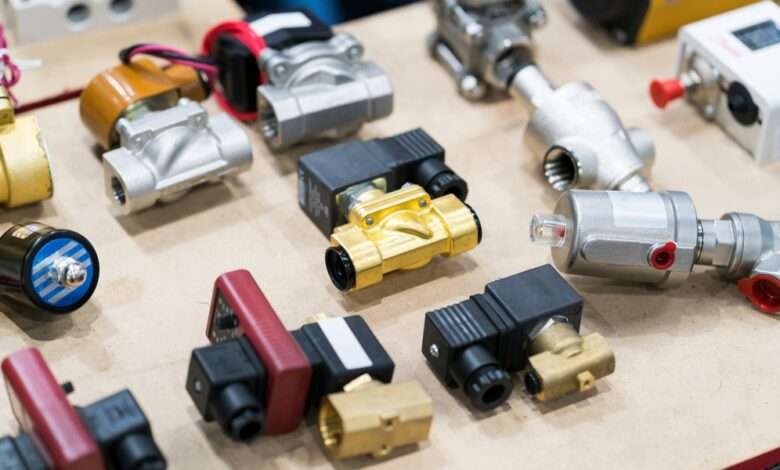
You can also ensure your valves last for as long as possible by partnering with a reliable solenoid valve company that creates components for advanced applications.
Schedule Professional Service and Support
Annually arrange professional inspections, even if your system seems to run fine. Trained technicians can spot hidden problems and use specialized equipment to test system integrity under controlled conditions. Regular inspections help prevent costly repairs and ensure your system runs safely and efficiently.
Maintain a spare parts inventory for commonly replaced components, such as seals, filters, and sensors. Having critical parts on hand minimizes downtime and keeps your system operational. With the right maintenance routine and reliable components, your hydrogen fuel systems can deliver consistent performance and long-term value.
About The Author