Industrial equipment represents a massive investment, and keeping it running smoothly requires strategic planning and consistent care. When machines break down unexpectedly, production grinds to a halt, costs skyrocket, and deadlines get missed.
However, following proven maintenance tips for industrial equipment can prevent most failures and extend the operational life of your machinery.
Schedule Regular Inspections
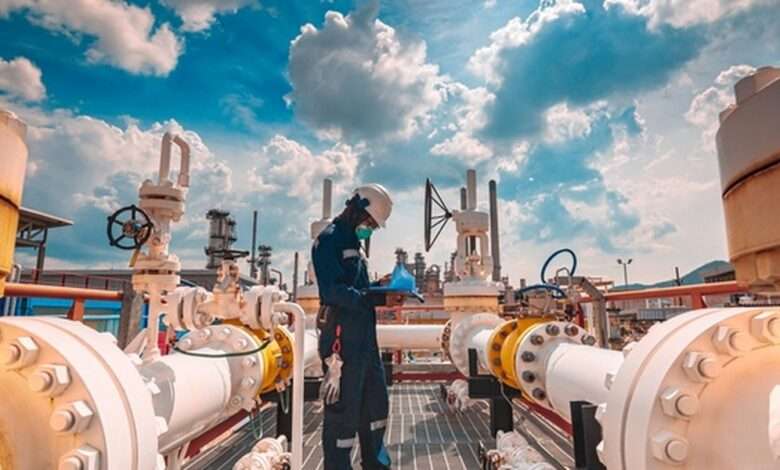
Daily walk-arounds and weekly deep inspections catch problems before they become disasters. Check for unusual sounds, vibrations, leaks, or temperature changes that could signal impending failure.
Document findings in a maintenance log to track patterns and predict future issues. Industrial equipment communicates through these early warning signs, and paying attention saves both time and money.
Keep Components Clean and Lubricated
Dirt, dust, and debris act like sandpaper on moving parts, accelerating wear and reducing efficiency. Clean equipment regularly using appropriate methods for each component type. Meanwhile, proper lubrication forms a protective barrier between metal surfaces, preventing friction-related damage.
Follow manufacturer specifications for lubricant types and change intervals. Different components require different lubricants, so using the wrong product can cause more harm than good.
Monitor Fluid Levels and Quality
Hydraulic, coolant, and lubrication systems all depend on clean, properly maintained fluids. Check levels regularly and top off as needed, but pay equal attention to fluid quality. Contaminated or degraded fluids lose their protective properties and can damage sensitive components.
When working with hydraulic systems, choose the right heavy-duty hydraulic oil designed for your equipment’s operating conditions. The wrong oil can lead to system failures, increased wear, and costly repairs.
Replace Filters According to Schedule
Filters protect equipment by removing contaminants from air, oil, and other fluids. Clogged filters force systems to work harder, reducing efficiency and potentially causing overheating or component failure. Replace filters based on manufacturer recommendations or operating hours, whichever comes first.
Quick Filter Maintenance Tips:
- Mark filter replacement dates on calendars
- Keep spare filters in inventory
- Inspect filters during routine maintenance
- Replace multiple filters simultaneously when possible
Train Operators on Proper Usage
Equipment lasts longer when operated correctly. Train all operators on proper startup procedures, operating limits, and shutdown protocols. Misuse can cause premature wear and void warranties. Create checklists for common procedures to maintain consistency across shifts and operators.
Operators should recognize warning signs of potential problems and know when to shut down equipment to prevent major damage.
Address Issues Immediately
Small problems become big problems fast in industrial settings. A minor leak can lead to complete system failure if left unaddressed. Strange noises, unusual vibrations, or performance changes require immediate attention. The cost of emergency repairs far exceeds the expense of preventive maintenance.
Maintain Detailed Records
Documentation drives effective maintenance programs. Record all maintenance activities, repairs, part replacements, and performance metrics. This data helps identify patterns, predict failures, and optimize maintenance schedules. Digital maintenance management systems make record-keeping easier and more accessible.
Protect Your Investment Through Proactive Care
Implementing maintenance strategies to extend the longevity of industrial equipment transforms reactive repair approaches into proactive protection programs. Regular attention to these fundamental areas prevents unexpected downtime while maximizing return on equipment investments. Your machinery will run more efficiently, last longer, and require fewer emergency repairs when you prioritize consistent maintenance practices.
About The Author