Your car faces more than just daily commutes and road trips. Mother Nature has a few tricks up her sleeve that can wreak havoc on your vehicle, often in ways you might not expect. From scorching heat to freezing rain, understanding how different weather conditions can damage your car can save you from costly repairs and keep your ride running smoothly for years.
Intense Sun and Heat
Summer might be perfect for beach trips, but it’s tough on your vehicle. Prolonged exposure to UV rays and high temperatures can fade your paint, crack your dashboard, and deteriorate rubber seals around windows and doors. The interior suffers too; leather seats can dry out and crack, while plastic components become brittle.
Under the hood, extreme heat puts extra strain on your engine. Coolant systems work overtime, and if they’re not properly maintained, your engine could overheat. Battery fluid evaporates faster in hot weather, shortening your battery’s lifespan by up to 50%. Even your tires are at risk, as heat causes air to expand, potentially leading to blowouts if they’re overinflated.
Hail Storms
Hailstones can fall at speeds up to 100 mph and turn your pristine vehicle into a damaged mess within minutes. Beyond the obvious cosmetic damage to your paint and body panels, hail can crack windshields, dent roofs, and damage side mirrors.
Repairs after a hailstorm can be substantial, even running into thousands of dollars, depending on the severity. You should always try to protect your car from hail by moving it to a place where it won’t be hit. If you can’t do that, consider investing in a padded car cover designed specifically for hail protection.
Heavy Rain and Flooding
Water is one of your car’s worst enemies. While modern vehicles can handle light rain without issue, heavy downpours and flooding pose serious threats. Water can seep into your engine through the air intake, causing hydrolock—a condition where water enters the cylinders and prevents the pistons from moving. This can lead to catastrophic engine damage.
When heavy rain hits, avoid driving through it unless necessary. You should also avoid driving through standing water deeper than 6 inches, as it can cause your engine to lock up.
Snow, Ice, and Freezing Temperatures
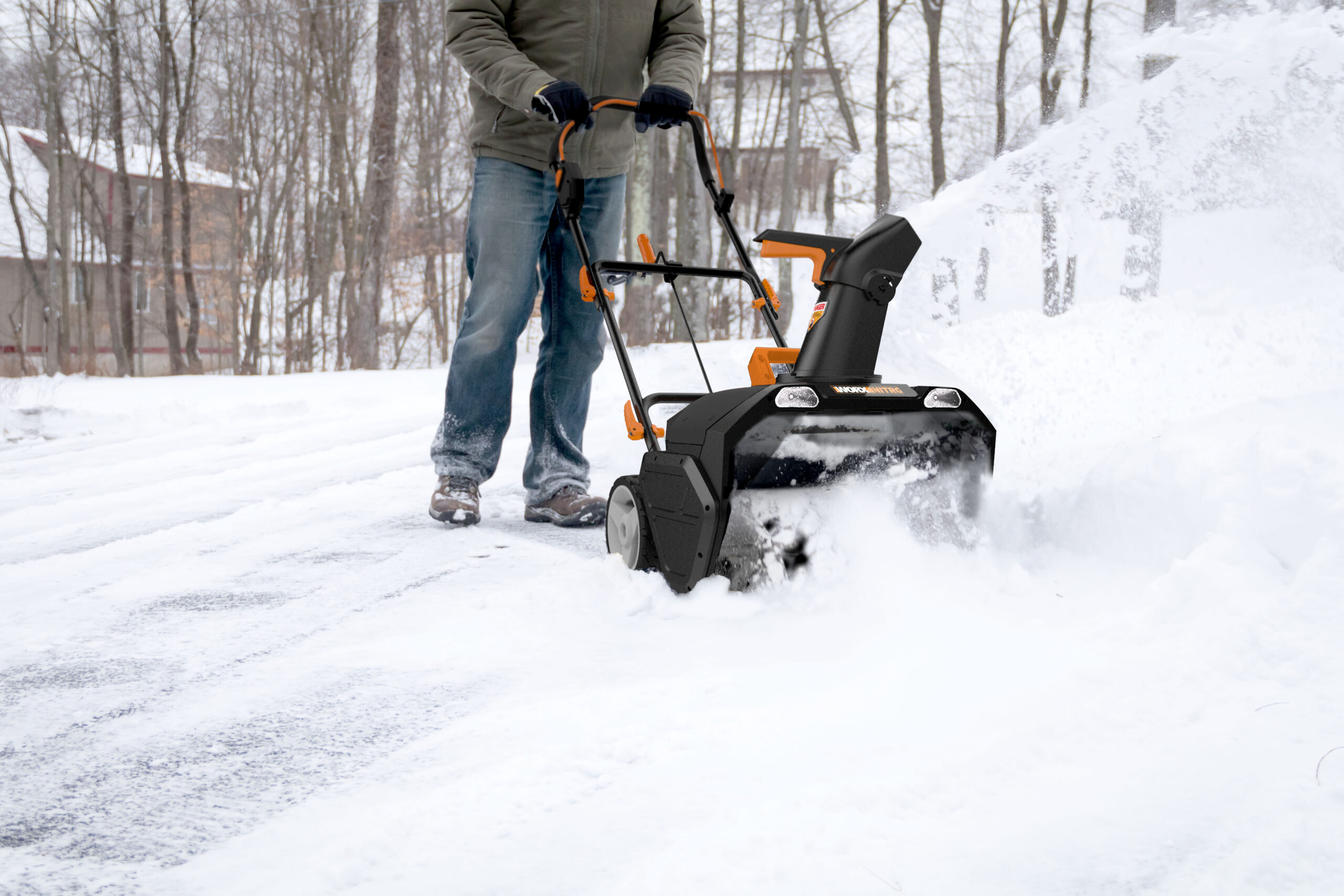
Winter weather brings its own set of challenges. Salt and de-icing chemicals used on roads are highly corrosive, eating away at your car’s undercarriage and body panels. Ice buildup in wheel wells can damage suspension components, while frozen moisture in door locks and seals can make it impossible to access your vehicle.
Your best protection method is to switch to winter-grade oil and keep your gas tank at least half full to prevent fuel line freeze-up. Wash your car regularly during winter to remove salt buildup, especially the undercarriage. Keep a set of jumper cables in your trunk and consider a battery blanket for extreme cold.
Keep Your Car Protected Year-Round
Weather-related vehicle damage often happens gradually, making regular maintenance and preventive care essential. Invest in quality car covers, maintain proper fluid levels, and don’t skip routine inspections. By understanding how different weather patterns affect your vehicle and taking proactive steps to protect it, you’ll extend its lifespan and avoid costly repairs down the road.
About The Author