In the realm of engineering and infrastructure, entropy is the only opponent that never sleeps. Systems fail. Components degrade. Mother Nature occasionally decides to stress-test our best-laid plans. No matter what it is, immediate action will be required to prevent a localized issue from becoming a systemic catastrophe.
The difference between a minor hiccup and a headline-making disaster often comes down to one metric: reaction time. To better understand this concept, we’re here to go into more detail on why quick repairs are so important during emergency situations.
Stopping the Cascade Effect
The primary engineering argument for rapid repair is the mitigation of secondary damage. In almost every complex system, failures are rarely static. They propagate. A structural breach in a roof during a storm doesn’t just let water in; it compromises the load-bearing capacity of the entire frame. If that water hits a server room or an electrical panel, you are no longer dealing with a roofing bill—you are dealing with total asset loss.
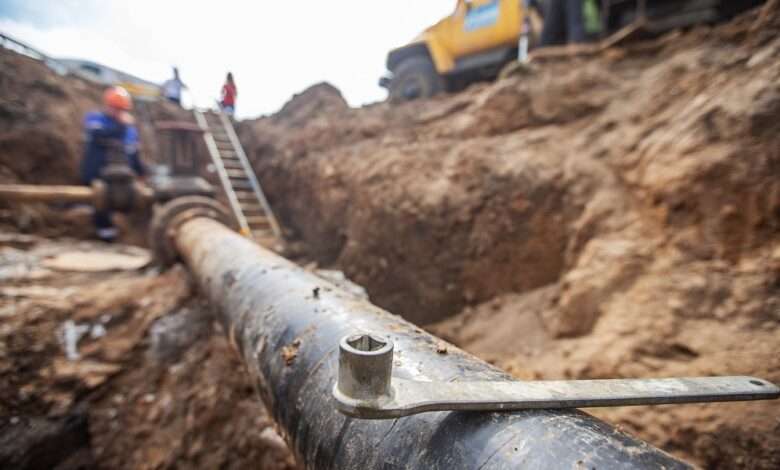
Speed is the only variable that arrests this development. Consider municipal infrastructure. A burst water main can undermine a road foundation in hours. Advanced techniques, such as insertion valve installations for high-pressure systems, allow crews to isolate a compromised section of pipe without shutting down the entire network. This specific capability—to intervene surgically and immediately—stops the initial failure from eroding the surrounding infrastructure.
Safety Protocols and Hazard Mitigation
While property damage hurts the wallet, safety hazards threaten lives. In an emergency, quick repairs are essential because the environment can quickly become quite hostile. Exposed live wiring, gas leaks, or unstable masonry turn a standard workspace into a trap. Immediate repair work in these scenarios isn’t about restoring service; it is about neutralizing threats.
Delayed responses in these scenarios create a window of exposure that statistically increases the likelihood of injury or fatality. An electrical fault that is identified but not immediately isolated is a fire waiting for an ignition source. Quick remediation acts as a hard stop to these risks, ensuring that a mechanical failure doesn’t escalate into a medical emergency.
Restoring System Uptime
Finally, there is the matter of functionality. Modern society operates on a “five nines” reliability expectation (99.999% uptime). When essential services—power, water, communication—go offline, the ripple effects are economic and social.
In a disaster scenario, communication towers are the lifeline for first responders. If a generator fails and isn’t repaired within its battery backup window, the grid goes dark, and coordination collapses. Rapid repair protocols ensure that downtime is measured in minutes rather than days. For businesses, this means the difference between a slight dip in quarterly earnings and bankruptcy. For communities, it means the return to normalcy and the restoration of order.
About The Author