Starlink’s Architects Launch Eclipse to Open the Megaconstellation Era to New Players

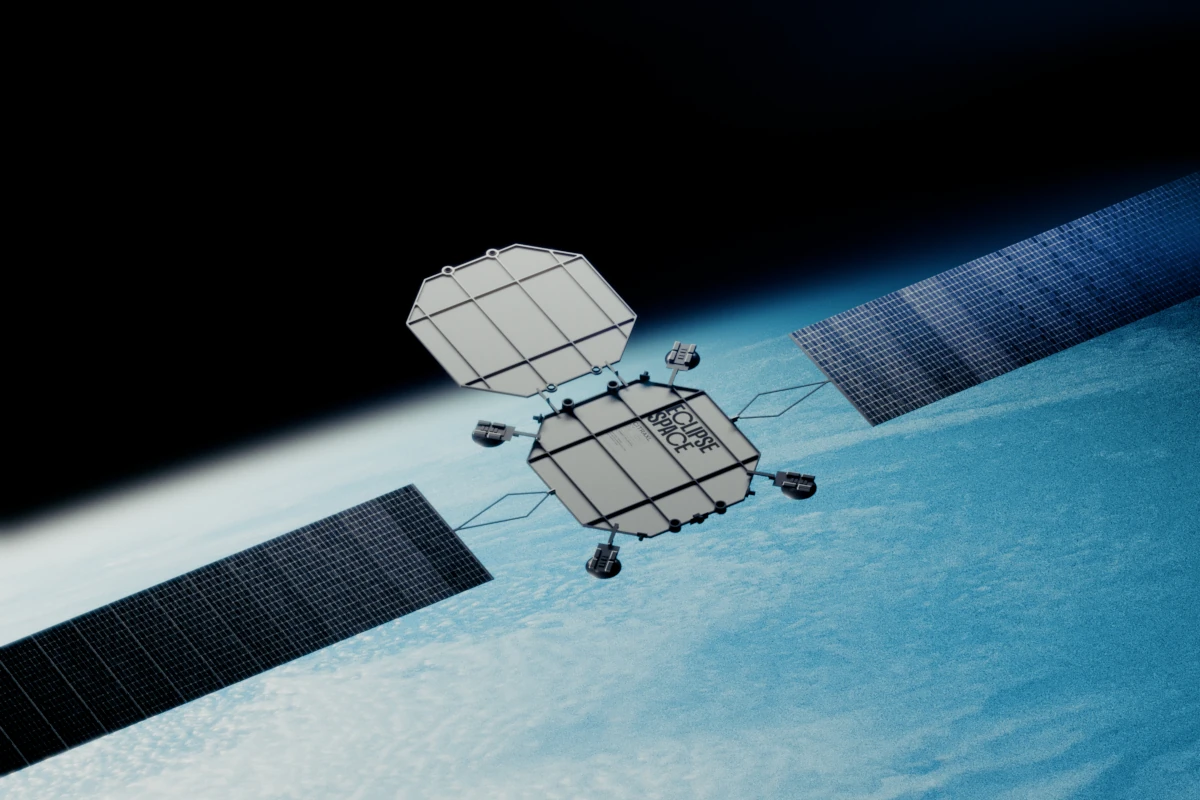
Eclipse Space, which made its public debut last week at the Space Capital Summit at Nasdaq MarketSite in New York City, today announced its official launch as the first company focused exclusively on making megaconstellation ownership accessible to nations and enterprises worldwide.
Founded by the most experienced megaconstellation team outside of SpaceX, Eclipse enables customers to deploy and operate sovereign satellite communications infrastructure that previously required the resources, expertise, and scale of the world’s largest constellation programs.
“We founded Eclipse on the belief that megaconstellation technology should not be the exclusive domain of trillion-dollar companies and centibillionaires,” said Derek Huerta, CEO and co-founder of Eclipse Space. “Until now, building a megaconstellation has required either enormous capital investment or dependence on someone else’s infrastructure, with all the strategic vulnerability that comes with it. Eclipse was founded to change that by giving sovereign and commercial customers constellation infrastructure built to their requirements, operated on their terms, and aligned with their strategic interests.”
“Eclipse is one of the most exciting companies in space infrastructure today, with a bold vision and the unique capabilities to execute on it,” said Chad Anderson, CEO of Space Capital. “It is only fitting that the team that made Starlink the world’s most successful satellite constellation is now applying that expertise to bring that capability to the rest of the world.”
Strategic AI Acquisition
Most companies applying AI to engineering use it to help software teams write code. Eclipse is doing something different: building purpose-built AI tools for the deep-tech problem of designing spacecraft, where the advantage comes less from generic models than from infrastructure tailored to the engineering itself.
To accelerate that work, Eclipse is launching with a strategic acquisition of the engineering team behind Rendered.ai’s Agent Studio, along with an exclusive license to develop the platform and an option to acquire its underlying technology. The deal brings a specialized AI engineering team in-house and pairs it with Eclipse’s satellite, electrical, mechanical, and RF engineers to build tools that take on the time-consuming work of designing, customizing, and optimizing large-scale space systems.
By embedding AI directly into how it engineers spacecraft, Eclipse shortens design cycles and gains the flexibility to tailor a constellation to any mission or payload – laying the foundation for the next generation of space infrastructure, from communications constellations to future orbital data centers.
Momentum at Launch
Backed by investors including Space Capital, Tectonic Ventures, and Ubiquity Ventures, Eclipse enters the market with significant nation-state and commercial traction:
Nation-State Market: Driven by surging demand for independent space communications infrastructure, Eclipse is in active engagement with customers across Europe, Asia, and the Middle East.
Commercial Market: Eclipse is working with multiple commercial customers across telecom, connectivity, and satellite services on opportunities spanning constellation infrastructure and payload development, with first hardware deliveries targeted for later this year.
Integration Partnerships: Eclipse has established a global supply chain and is now building out regional integration partnerships for spacecraft-level integration that support in-country manufacturing requirements critical to sovereign customers and improve launch cadence and cost efficiency across programs.
First Launch: Eclipse’s demonstration satellite is targeted for launch in 2027, validating the full technology stack ahead of customer constellation deployments.
The Eclipse Model: Fabless by Design
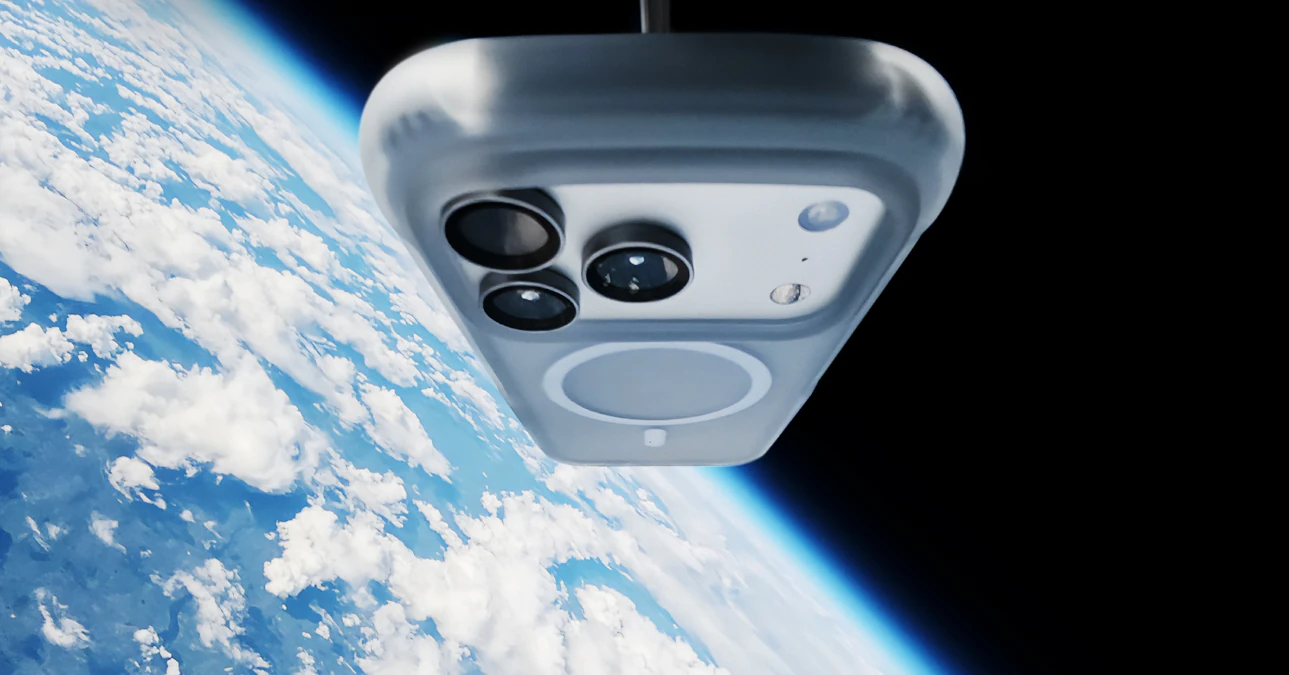
Eclipse is to satellites what Apple is to smartphones: a fabless model that owns the architecture, design, and software stack while drawing on a global network of manufacturing and integration partners across North America, Europe, and Asia. The result is best-in-class design expertise and the agility to scale anywhere in the world, supporting a minimum production rate of five satellites per day. For nation-state customers, the model replicates regionally by standing up in-country production lines with local manufacturing partners and workforce for each customer constellation.
Where traditional manufacturers sell hardware, Eclipse delivers space capability enablement: the ability for nations and enterprises to deploy, own, and operate world-class space infrastructure at a speed, scale, and level of flexibility that legacy providers cannot match.
About Eclipse Space
Eclipse Space was founded by the engineers who built and scaled Starlink to deliver full turnkey constellation infrastructure – satellites, payloads, ground segment, launch, and operations – to nations and enterprises worldwide. Eclipse unlocks what was once exclusive to the world’s largest space programs: the ability to own and operate world-class constellation infrastructure, built to each customer’s requirements and operated on their terms. Eclipse is headquartered in Redmond, Washington. Learn more at www.eclipse.space.