




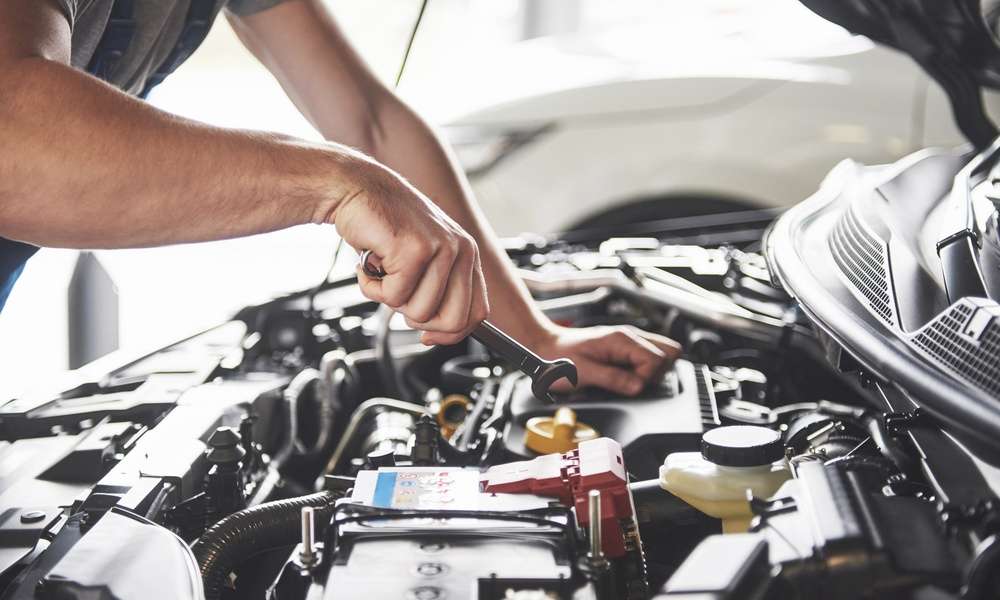
Getting started with car repairs can save money, build confidence, and help you understand your vehicle better. You don’t need a professional garage or decades of experience to handle basic maintenance and minor repairs. A little knowledge goes a long way when it comes to keeping your car in good shape. If you’re new to automotive work, start with the fundamentals and build your skills one project at a time. Take the first step today and learn a few practical techniques from these car repair tips that every beginner needs to know.
Gather the Right Tools
Every beginner should have a basic toolkit before tackling repairs. A socket set, screwdrivers, pliers, jack stands, and a torque wrench cover many common jobs. Cheap tools can create frustration, especially when a fastener refuses to budge. Even a straightforward task like replacing a battery becomes much easier with the proper tools nearby.
Learn Your Vehicle’s Maintenance Schedule
One of the best habits for a new car owner is checking the maintenance schedule in the owner’s manual. That guide outlines service intervals for oil changes, filters, fluids, spark plugs, and other components. Following those recommendations will help prevent larger repair bills later. For example, replacing worn brake pads on time costs far less than repairing damaged rotors. Small maintenance tasks help keep larger problems at bay.
Put Safety First
An essential car repair tip that every beginner needs to know is to never overlook safety details. Safety should always come before any repair. Use jack stands whenever the vehicle leaves the ground, and never rely on a jack alone.
Safety glasses protect your eyes from debris, dirt, and fluid splashes. Gloves can help prevent cuts and scrapes during tougher jobs. A few extra precautions create a much safer work environment.
Don’t Ignore Fluid Checks
Many vehicle issues begin with neglected fluids. Engine oil, coolant, brake fluid, transmission fluid, and power steering fluid all play a role in vehicle performance. Low or dirty fluid can lead to premature wear and expensive repairs. Checking fluid levels takes only a few minutes and requires very little experience, but yields very rewarding results.
Take Photos Before Disassembly
The risk of assembly errors is a crucial part of the pros and cons of modular connector systems for cars because these errors can significantly hinder workflow. Modern vehicles contain many parts, clips, and fasteners. Before removing anything, take a few photos with your phone.
Those images provide a useful reference during reassembly. This approach works especially well for air intake components, battery connections, and interior panels. A quick photo can save a lot of guesswork later.
Car repair skills develop over time, not overnight. Start with manageable projects, practice safe habits, and learn from each repair. As your confidence grows, more complex jobs will feel less intimidating. Keep these tips in mind the next time you open the hood, and continue building your automotive knowledge one repair at a time.
About The Author

Got a Questions?
Find us on Socials or Contact us and we’ll get back to you as soon as possible.