A telehandler can bring reach, capacity, and versatility to a job site, but the right rental starts well before the machine arrives. These details help narrow down the equipment that fits the work instead of forcing a crew to adapt after delivery. Familiarize yourself with the most important things to know before renting a telehandler so you can schedule yours now.
Know Your Load Requirements
Capacity deserves attention early in the rental process. A telehandler may have a stated maximum capacity, but that number doesn’t apply at every boom position. As the boom extends outward or rises, the amount of weight the machine can handle can change.
For that reason, contractors should know more than an approximate load weight. Gather accurate information about the heaviest material the telehandler must handle, plus the distance and height required for placement. Those details give the rental provider a much clearer picture of the job.
Think about a crew that needs to place pallets of masonry materials on an upper floor. The telehandler must handle the weight, but it also needs enough reach to place that load at the intended location. A machine with ample capacity close to the chassis may have different limits once the boom reaches farther across the site.
Identify the Height and Reach You Need
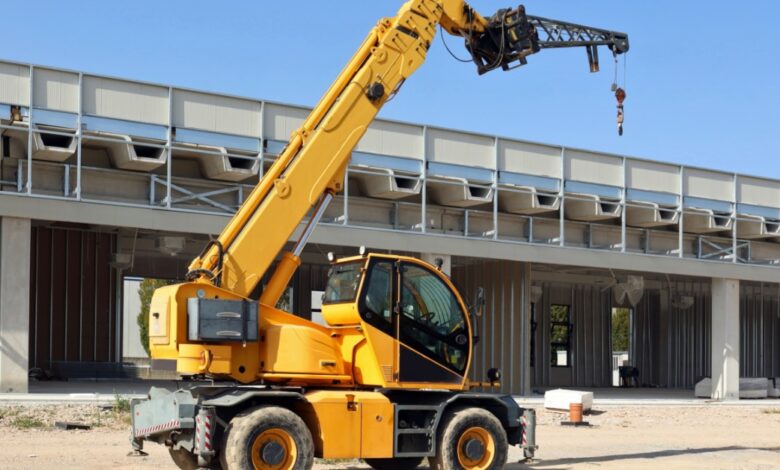
Maximum lift height gets plenty of attention, but horizontal reach deserves the same consideration. A telehandler’s telescopic boom lets an operator place loads at varied heights and distances in front of the machine. That extra reach sets telehandlers apart from conventional forklifts on many construction sites.
Take measurements before you reserve equipment. Account for the distance from the telehandler’s planned position to the final load location, not just the height of a wall, roof, or platform. Site barriers may force the machine farther from the structure than expected.
A fence, trench, stack of materials, or restricted work zone can alter the setup. This means a telehandler that looks suitable on paper may fall short once those obstacles enter the equation. Accurate site details give the rental team more useful information from the start.
Review the Load Chart
The load chart deserves more than a quick glance. It shows how capacity changes based on boom angle, extension, and load position. Operators and project supervisors should understand the chart for the specific telehandler on the job.
Don’t assume two machines with similar maximum capacities will perform the same at every reach or height. Model specifications can vary, so the actual load chart should guide equipment selection and use. This step becomes especially relevant when the job requires placement near the limits of the machine’s reach.
Load charts also help crews plan before work starts. Once the team knows the load weight and destination, it can compare those demands against the machine’s rated capabilities. That preparation gives the crew a clearer plan for each pick.
Take a Close Look at Ground Conditions
There are many ways telehandlers are a game changer for framing crews. That said, these machines can’t work effectively without the right support. A rough-terrain telehandler has capabilities that suit construction sites, but “rough terrain” doesn’t mean every surface is suitable for operation. Soft soil, slopes, holes, loose material, mud, and other surface conditions can affect stability and control. The ground must support the telehandler, its operator, and its load.
Walk the planned travel route and work area before the rental arrives. Look for grade changes, weak areas, overhead obstacles, narrow access points, and spaces that leave little room for turns. A site that looks wide open from the street can feel much tighter from the cab of a large telehandler.
Weather can alter those conditions, too. Firm soil after several dry days may become soft after heavy rain. Site preparation and route plans should account for conditions the crew can reasonably expect during the rental period.
Choose Attachments With the Job in Mind
Forks may be the first attachment people associate with telehandlers, but these machines can support other compatible attachments based on the model and task. Attachment options include buckets, work platforms, and lift jibs. Attachment choice should come from the actual job rather than convenience. Palletized materials call for a different setup than loose material or another specialized load. Contractors should discuss the intended task with the rental provider before the machine reaches the site.
Compatibility matters as much as attachment type. The attachment must suit the specific machine and application. Clear communication about the work helps avoid a situation where the telehandler arrives but the crew lacks the proper setup for the day’s tasks.
Account for the Telehandler’s Size
Reach and capacity can dominate the rental conversation, but the physical size of the machine deserves attention as well. Larger telehandlers need enough room to travel, turn, approach loads, and position themselves for work. Tight construction sites can place real limits on equipment movement.
Review gates, access roads, interior clearances, staging areas, and travel paths. Overhead clearance also deserves attention near power lines, structures, doorways, and temporary site features. The machine has to reach the work area before its boom capabilities become useful.
A smaller telehandler may suit a tight site if its load chart supports the job. A larger unit may offer the reach or capacity a demanding placement requires. Equipment selection works best when both performance and site geometry receive equal attention.
Give the Rental Provider Useful Project Details
The rental company can offer better guidance when it has a clear picture of the project. Basic details such as project location, rental duration, heaviest load, lift height, and reach requirements provide a strong start. Site conditions and attachment needs add even more context.
Photos, measurements, site plans, or a site visit can help when access or placement presents unusual challenges. Contractors don’t need to select equipment based on guesswork alone. A productive conversation with an experienced rental team can narrow the options before equipment gets dispatched.
That approach also helps uncover details that may be easy to overlook. A tight entrance, unusual load shape, or long horizontal reach can change the equipment choice. The more accurate the project information, the more useful the rental conversation becomes.
A telehandler can serve as a versatile addition to a construction site, but a successful rental depends on the details. Luckily, now you know the important things to know before renting a telehandler. Give each factor proper attention before the machine arrives and the results in the workplace will speak for themselves.