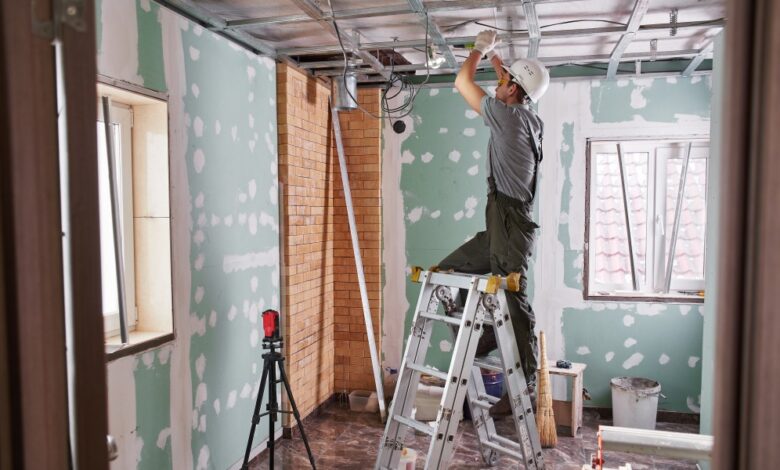
You’ve got the budget, the contractor, and enough renovation videos saved to convince yourself that nothing can surprise you. Then someone opens a wall or takes a closer look at the ceiling. Suddenly, your two-week project has developed a side quest. Hidden hazards that can delay home renovations aren’t always obvious, but knowing where problems tend to appear can help you build a smarter schedule and avoid turning one surprise into a much bigger issue.
Older Materials Can Change Your Plans
If you’re renovating an older home, you may encounter building materials that contractors no longer use today. Age alone doesn’t tell you whether something poses a hazard, so appearances won’t give you all the information you need. Materials can remain hidden beneath newer finishes for decades without attracting attention.
Asbestos offers a good example. Builders historically used asbestos in various products, including some insulation, flooring, roofing, ceiling materials, caulking, and mastics. When renovation work could disturb suspect materials, you may need to address them separately rather than letting the rest of the project continue as planned.
Why Surprises Affect Scheduling
Once a contractor uncovers questionable material, you shouldn’t assume the crew can simply work around it. Depending on the material and local requirements, the project may need inspection or regulatory steps before work continues.
That interruption can affect other parts of your schedule. If another contractor expects an open wall or cleared floor on Monday, a hazardous-material issue can prevent that stage from happening on time. Accounting for older materials during project planning can make the schedule more realistic.
Asbestos Can Complicate Demolition
You can’t reliably identify asbestos simply by looking at a material because individual asbestos fibers are microscopic. More importantly, renovation work can create a problem when it disturbs asbestos-containing material.
Requirements also vary according to the project and location. Federal asbestos rules cover certain renovation and demolition activities, while state and local requirements can add separate obligations. If your project involves suspect materials, checking the rules that apply to your property can prevent an unpleasant regulatory surprise halfway through demolition.
Disposal Deserves Its Own Plan
Removing hazardous material from a room doesn’t end the issue. You also need to account for where regulated debris can legally go once it leaves the property.
Massachusetts, for example, regulates asbestos-containing waste and limits where most of it can go. State guidance says asbestos waste generally requires appropriate packaging, transportation, and disposal at a permitted facility rather than an ordinary construction-and-demolition processor. If you’re dealing with a project in the state, knowing where to safely dispose of asbestos waste can provide useful context as you think through the waste side of the job.
Lead Paint Can Interrupt Progress
If you’re working in an older home, paint deserves attention too. Renovation can disturb old painted surfaces when workers sand, scrape, cut, or remove building components. What looked like a straightforward cosmetic upgrade may require a different approach once lead enters the picture.
Don’t make assumptions based on paint color or condition. Instead, consider the home’s age and the scope of the work when deciding whether you need additional information. Taking that question seriously early can help you avoid finding out after dust starts flying.
Water Damage May Hide More
A stain on the ceiling can look like a simple painting problem until you trace it back to its source. If moisture has entered a wall or floor assembly, the visible mark may represent only part of the damage.
You may need to address the source of the moisture before closing the area again. Otherwise, you could spend money rebuilding a surface while leaving the original problem untouched. Nobody wants to celebrate a freshly finished ceiling just in time for the same mysterious brown spot to make its sequel.
Watch for Clues During Demolition
Once work begins, pay attention to changes that don’t match what you expected from the original renovation plan. You don’t need to become a building inspector overnight, but you shouldn’t ignore something unusual just because the dumpster arrives on Friday.
When something unexpected appears, the following steps can help you address potential concerns before the project moves forward:
- Stop work around material that may require professional identification
- Investigate unexpected moisture instead of covering the area again
- Ask questions when demolition exposes unfamiliar older material
- Confirm disposal requirements when regulated debris enters the project.
- Update the schedule when a new issue affects upcoming work
Old Wiring Can Slow Upgrades
Opening walls can reveal electrical work that doesn’t match what you expected. Previous owners may have modified circuits over the years, and older systems may not suit the demands of a modern renovation.
That becomes especially relevant when your project adds smart-home equipment or other power-hungry upgrades. If an electrician needs to address existing conditions before installing your new equipment, the renovation sequence may change. You’ll have a better chance of keeping things organized when electrical evaluation happens early enough to inform the rest of the work.
Structural Problems Can Expand Scope
Sometimes demolition reveals damage that goes beyond the surface you planned to replace. You might open an area and find deteriorated framing or evidence that an earlier modification affected the structure.
At that point, the original renovation plan may no longer cover what the house needs. You may need professional evaluation before crews continue with finishes or installations that depend on that structure. It’s frustrating, but covering questionable framing because the new cabinets arrive Tuesday won’t make the underlying concern disappear.
Keep Contingencies Realistic
You can’t predict everything hiding inside a house. You can, however, avoid creating a schedule that assumes every wall, floor, and ceiling will cooperate perfectly.
Give your project some room for investigation when you’re renovating an older property or opening areas that haven’t seen daylight in decades. Talk with the appropriate professionals when unfamiliar materials or conditions appear rather than treating every delay as something you need to defeat immediately. A renovation schedule works better when it can absorb a surprise without collapsing like the wall you meant to remove.
Many hidden hazards that delay home renovations only become expensive headaches when people rush past the warning signs. Your renovation doesn’t need a perfectly predictable path; it needs a plan sturdy enough to handle what the house reveals along the way.