
NASA
-
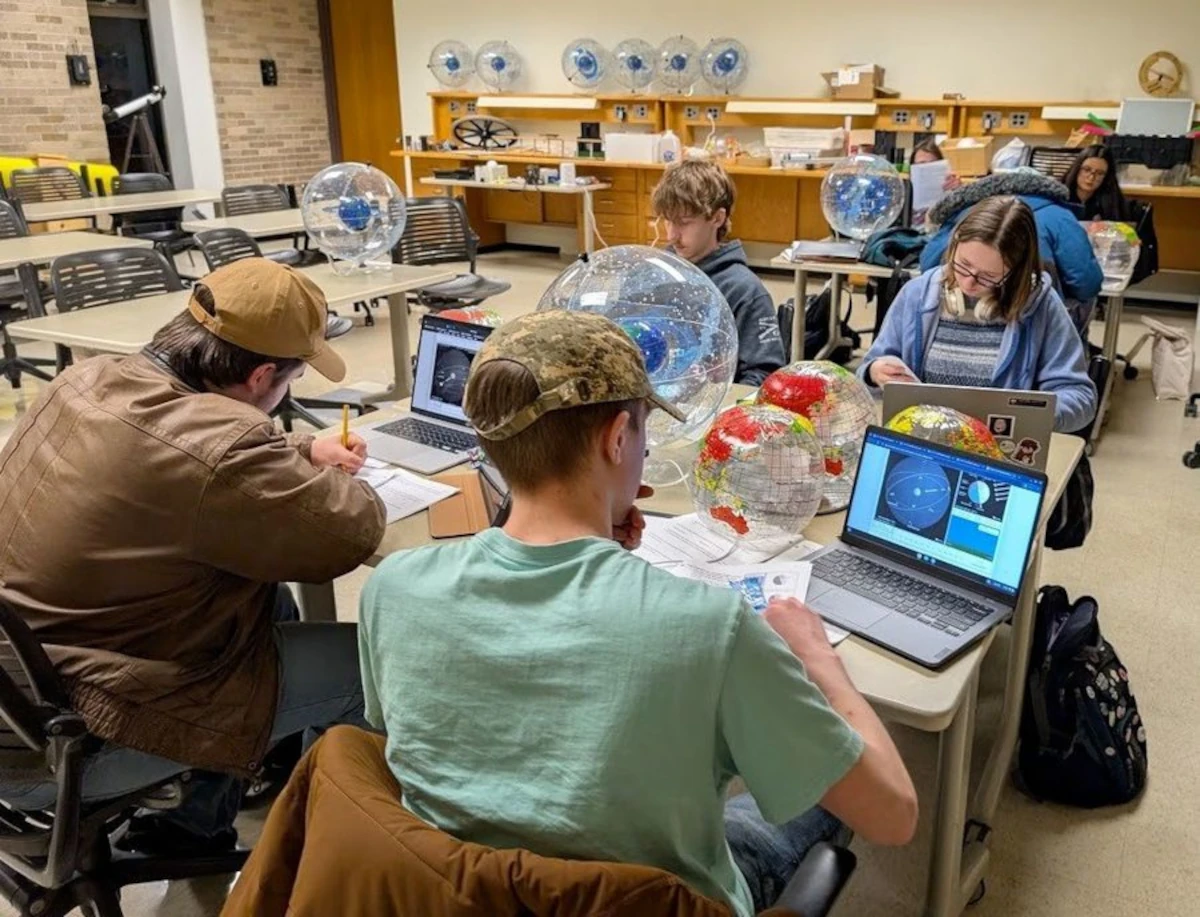
Community College Instructors Bring Astronomy Textbook Into 21st Century
Teaching the beautiful and inspirational science of astronomy using only the conceptual framework offered by a traditional textbook – without incorporating the wealth of incredible resources, images and activities from NASA – falls short of the more modern, active learning experience that could better serve students evolving learning strategies. Three project teams from the NASA Science Activation (SciAct) program – NASA…
Read More » -
NASA+ Debuts on discovery+, Coming Soon to HBO Max
As NASA+ continues its expansion across multiple streaming platforms to bring space closer to home, NASA announced Monday programming is next heading to discovery+ and HBO Max. A continuous live feed of NASA+ programming is streaming on discovery+ live channels, while HBO Max will stream NASA’s special events, including the Artemis III mission in 2027. Viewers on those platforms can…
Read More » -
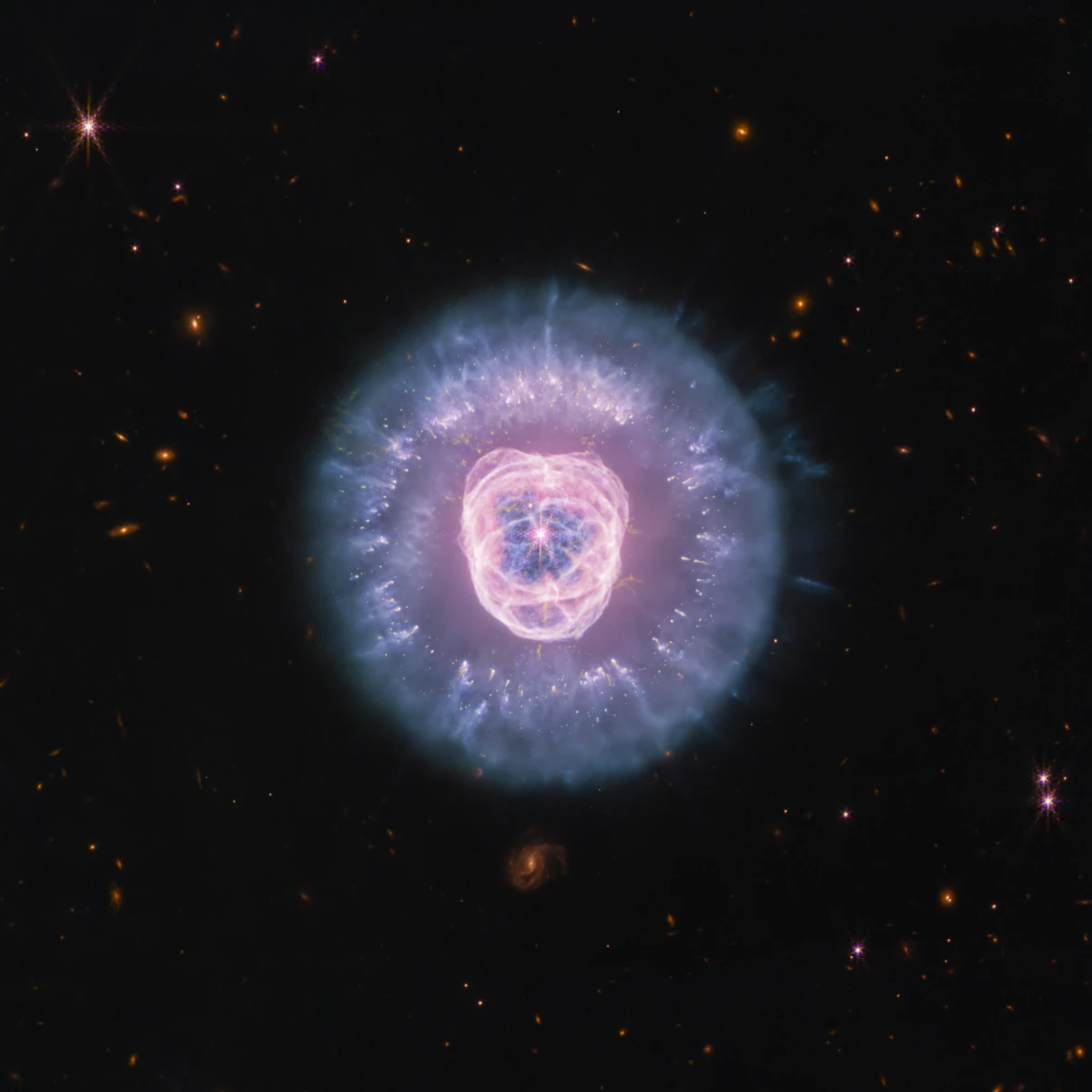
Lion Nebula Roars to Life With NASA’s Webb
Observing across the starry “plains” of space, NASA’s James Webb Space Telescope has taken new images of NGC 2392, nicknamed the Lion Nebula. NASA’s Hubble Space Telescope previously viewed this planetary nebula in 2000, imaging the lion face-shaped target in visible light and revealing features such as the “mane” of hazy, comet-shaped objects. Now Webb has captured a clearer, more detailed view of the…
Read More » -
Launch Into a New School Year With NASA
A new school year brings fresh opportunities to get involved with NASA. Whether you’re curious about space or eager to build real STEM skills, NASA offers a world of experiences putting you close to the action. As we enter a new golden age of exploration, there’s no better time to jump in, try something bold, and see where your curiosity…
Read More » -
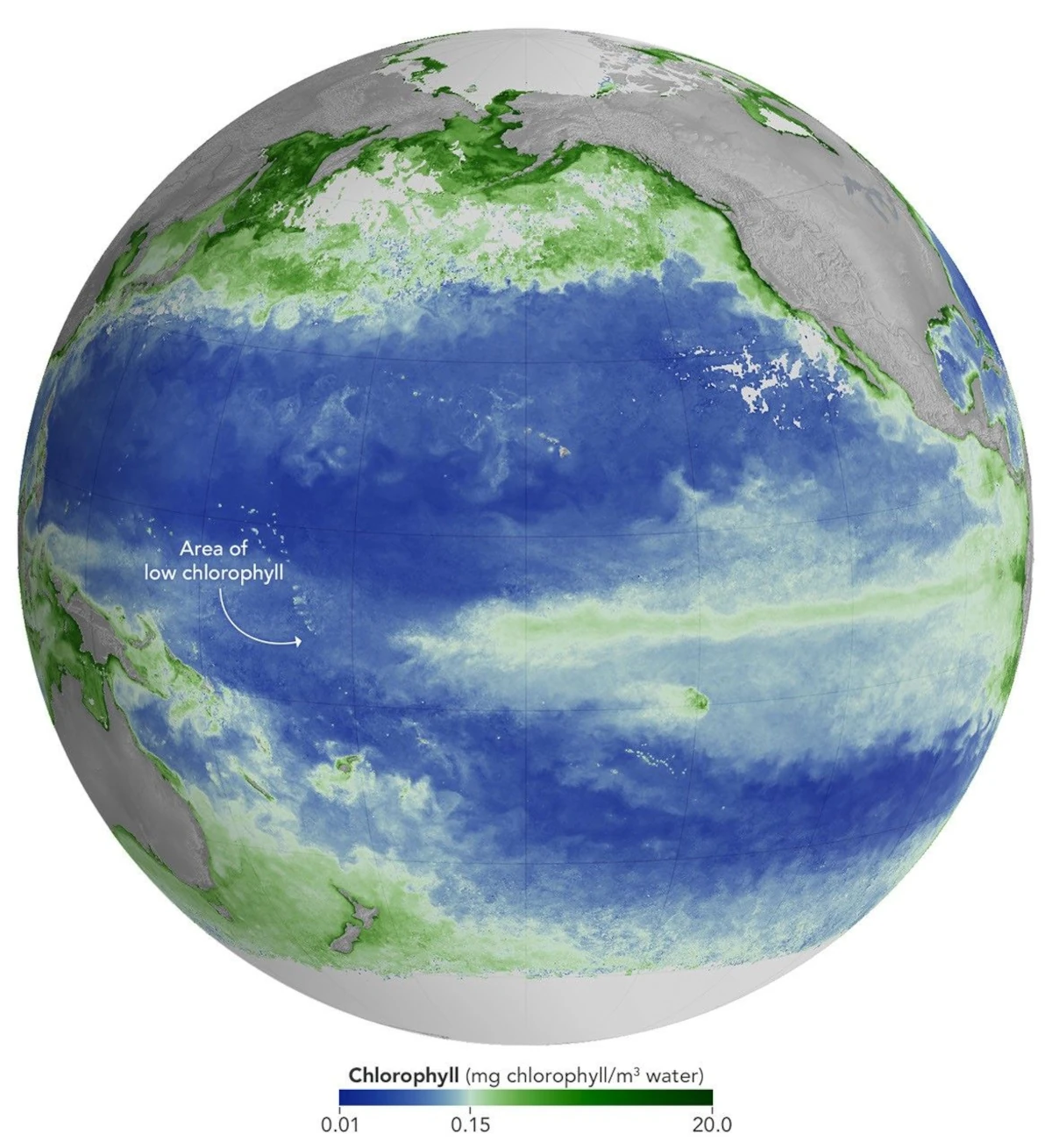
El Niño Alters Marine Life in the Pacific
As of June 2026, El Niño has officially arrived. This naturally recurring phenomenon is characterized by warmer-than-normal water temperatures in parts of the equatorial Pacific along with changes to atmospheric and oceanic circulation patterns. Its regional effects range from desert floods to delayed monsoons to shifts in where tropical cyclones are more likely to form. NOAA’s Climate Prediction Center expects the current El Niño…
Read More » -
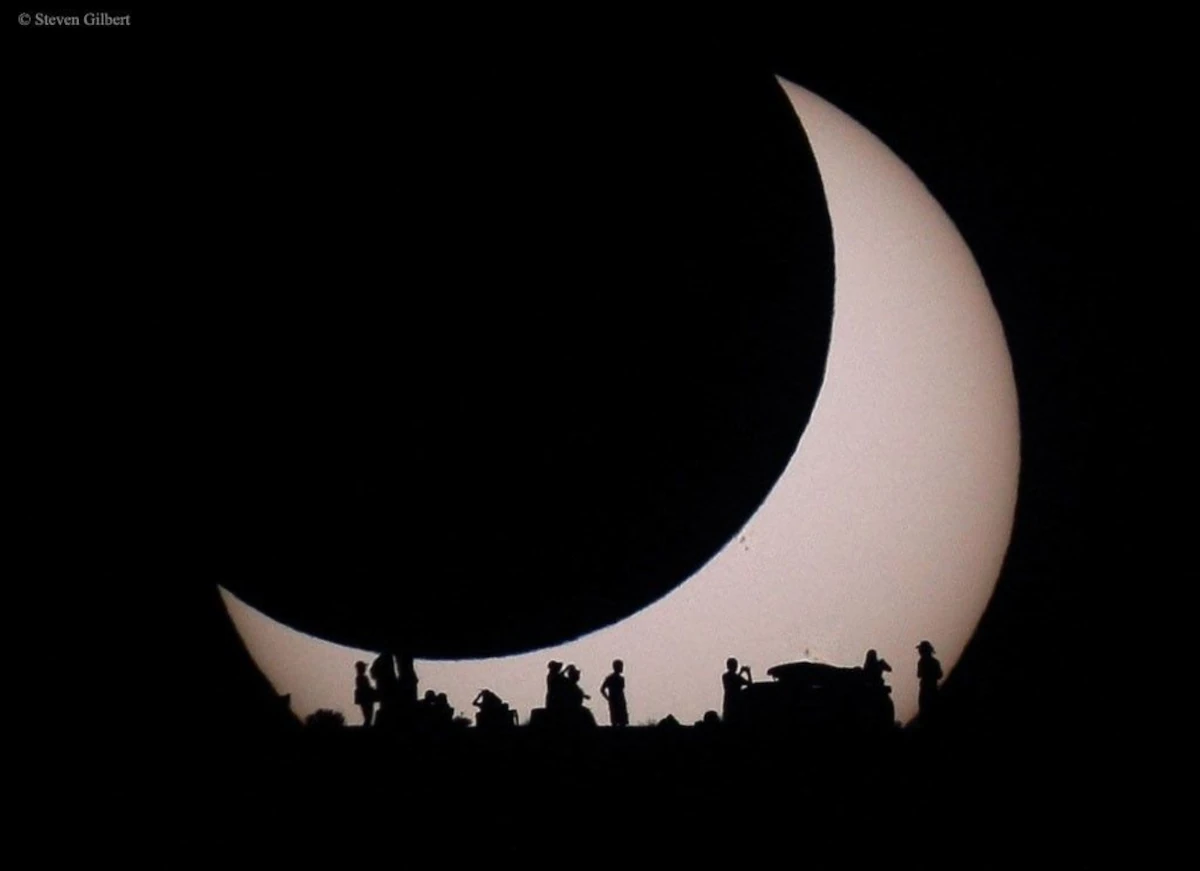
Astronomy Picture of the Day
Contemplating the Sun Explanation: Have you contemplated your home star recently? Featured here, a Sun partially eclipsed on the top left by the Moon is also seen eclipsed by earthlings contemplating the eclipse below. This spectacular menagerie of silhouettes was taken in 2012 from the Glen Canyon National Recreation Area near Page, Arizona, USA, where park rangers and astronomers expounded on the unusual event to interested gatherers. Also, faintly visible on the Sun’s disk, just to…
Read More » -
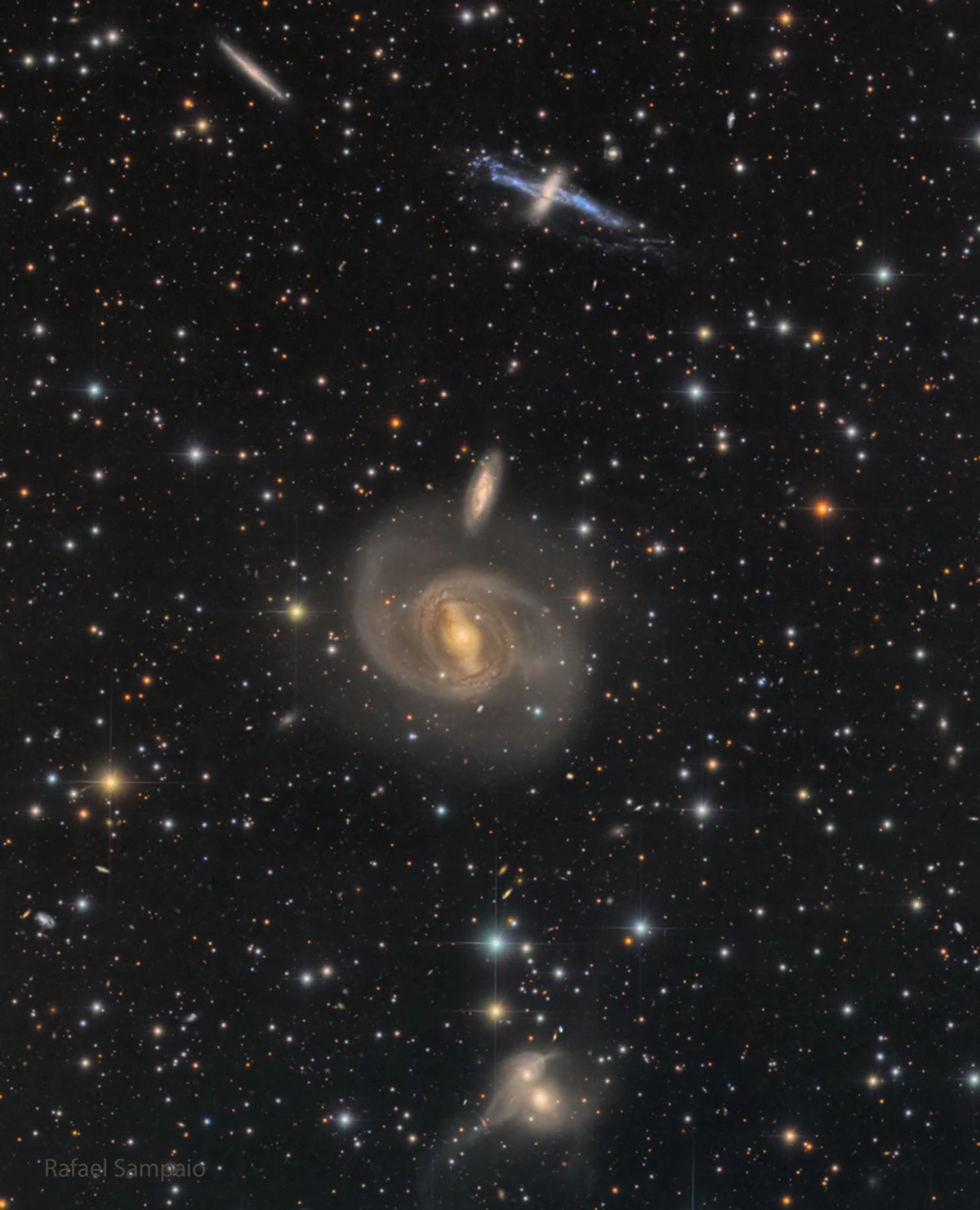
APOD: 2026 August 10 – Three Galaxy Pairs
Three Galaxy Pairs Explanation: Each of these pairs of galaxies is different. The two galaxies at the top are likely not interacting, at least presently. However, the top galaxy with the blue stripe, NGC 4650A, is a polar ring galaxy and may be the result of a past galaxy collision. The two galaxies in the middle of the featured image appear like they could be interacting gravitationally — but their relative speeds make this…
Read More » -
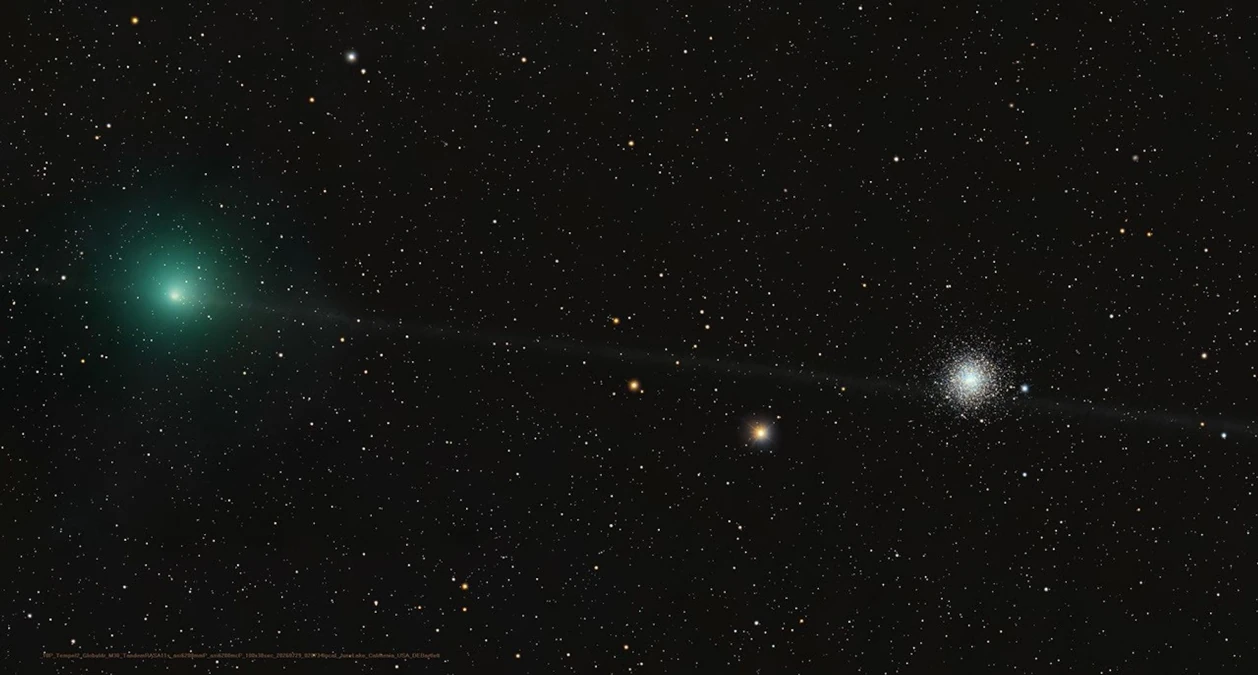
Astronomy Picture of the Day
A Messier Moment for Tempel 2 Explanation: Which of these is not a comet? You guessed it – the one on the right is a globular star cluster. The diffuse greenish coma of periodic comet 10P/Tempel 2 is at left in the frame. In fact the globular star cluster is Messier 30, also known as M30, or the 30th entry in astronomer Charles Messier’s catalog of…
Read More » -
2026 IGARSS Hyperwall Schedule
IGARSS 2026 Join NASA in the Exhibit Hall (Booth #100) for Hyperwall Storytelling by NASA experts. Full Hyperwall Agenda below. MONDAY, AUGUST 10 3:00 PM Technology Enabling the Future of Earth ScienceMike Seablom3:15 PM Discovery Earth: New Missions & Technical Innovation Advancing Earth System InsightsKaren St. Germain TUESDAY, AUGUST 11 10:00 AMSTELLA: Open-Source Multisenor Platforms For Real-Time Environmental MonitoringMike Taylor10:15 AMNOAA Geostationary…
Read More » -
NASA’s IXPE Studies Magnetar
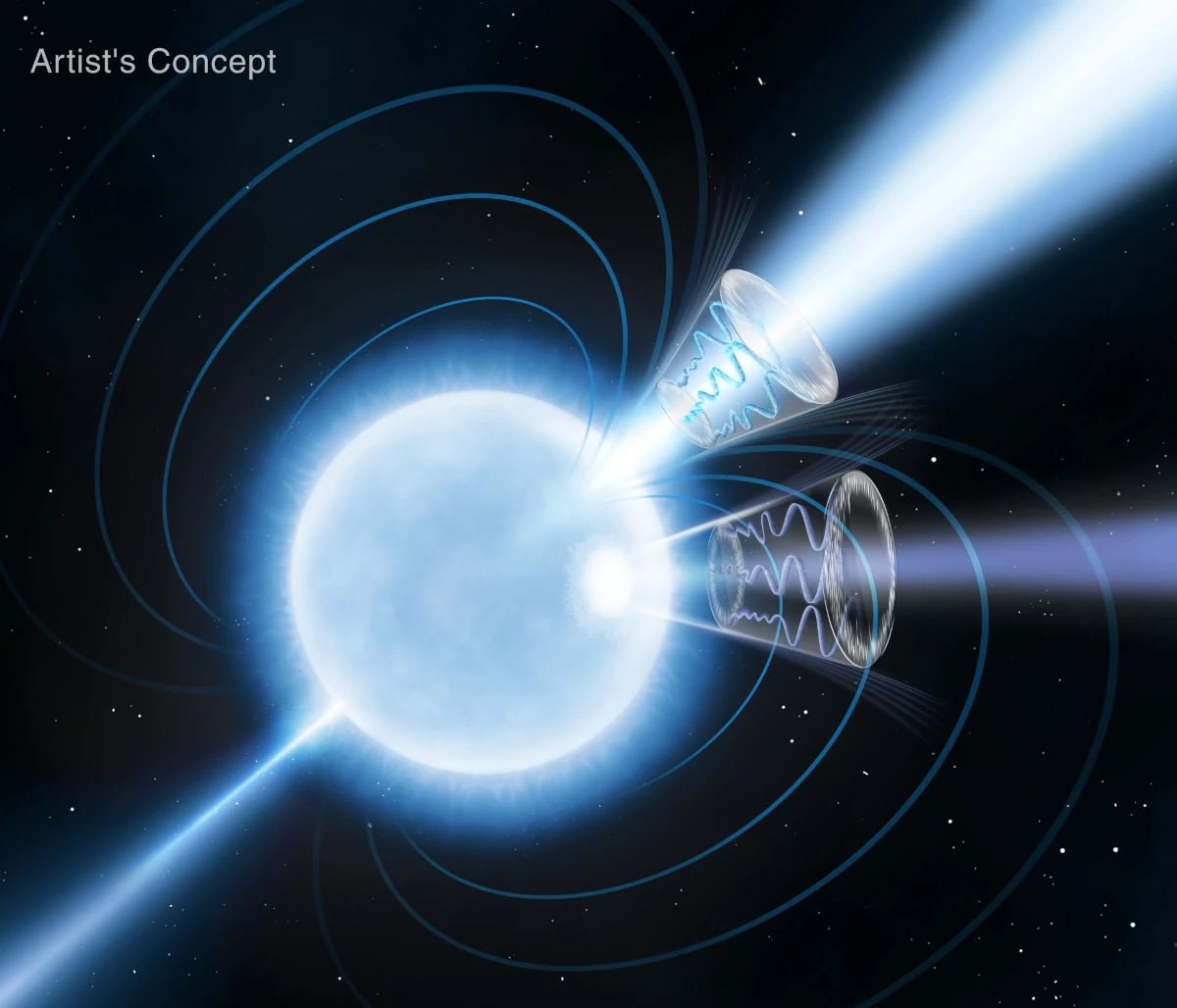
Scientists using NASA’s IXPE (Imaging X-ray Polarimetry Explorer) conducted more than 140 hours of observations of the magnetar 1E 1547-5408, shown in this Aug. 5, 2026, artist’s concept, between March and April 2025. In doing so, they may have captured empty space behaving in a way physicists have predicted for 90 years, but never directly observed. Magnetars are a special class of neutron…
Read More »