
NASA
-
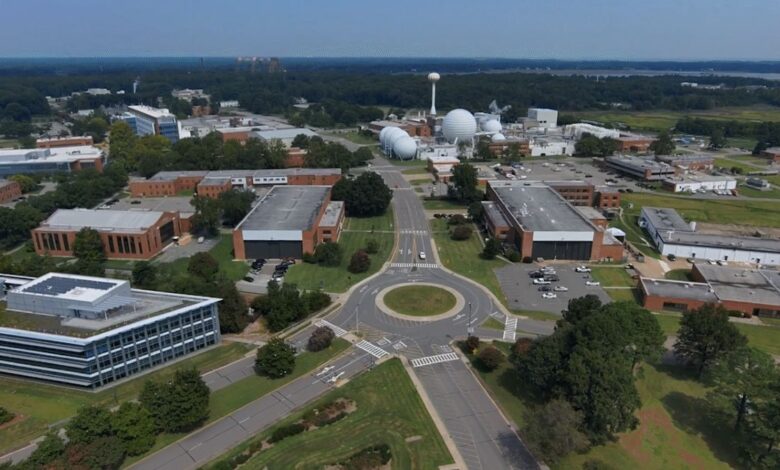
NASA Langley Research Center: 2025 Year in Review
The future of flight, space exploration, and science starts at NASA’s Langley Research Center in Hampton, Virginia, where we have been advancing innovation for more than 100 years. Join us as we look back at NASA Langley’s achievements in 2025 that continued our storied legacy of pushing the boundaries of what is possible. Langley Researchers Explore MARVL-ous Technology for Future…
Read More » -
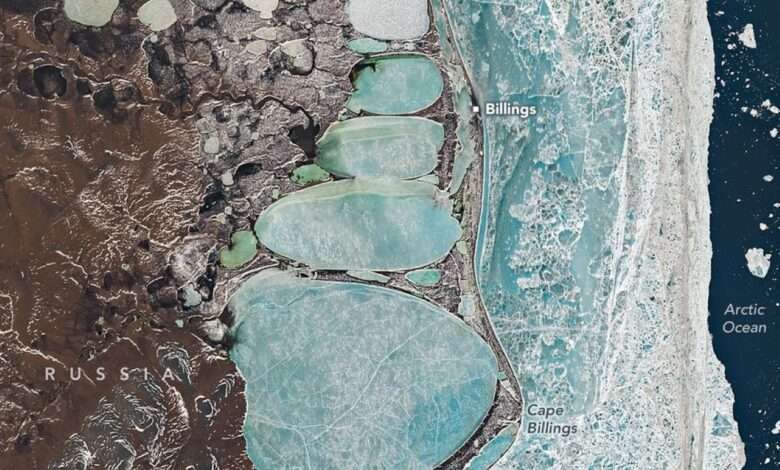
A Siberian Snowman in Billings
Icons of winter are sometimes found in unexpected places. In one striking example, a series of oval lagoons in a remote part of Siberia forms the shape of a towering snowman when viewed from above. This image, centered on the remote village of Billings and nearby Cape Billings on Russia’s Chukchi Peninsula, was captured by the OLI (Operational Land Imager) aboard Landsat 8 on…
Read More » -
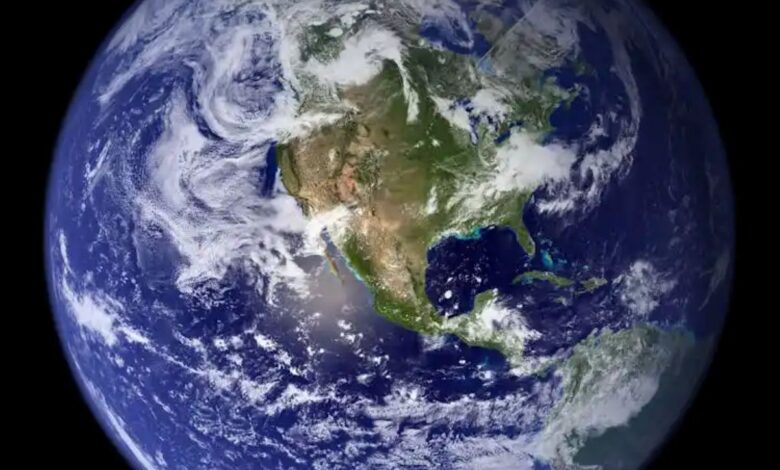
NASA Launches Research Program for Students to Explore Big Ideas
NASA is now accepting concepts for a new research challenge. The Opportunities in Research, Business, Innovation, and Technology (ORBIT) challenge is a multi-phase innovation competition designed to empower university and college students to develop next-generation solutions that benefit life on Earth and deep-space exploration. With up to $380,000 in total prize funding, NASA’s ORBIT challenges student teams to bring their…
Read More » -
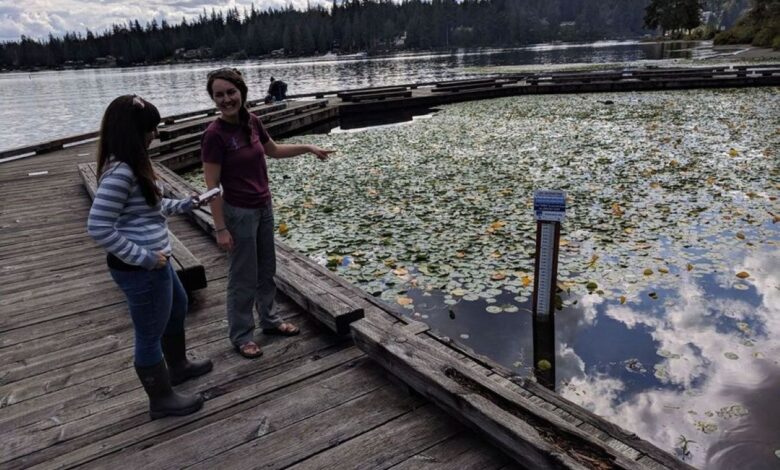
How Small Is Too Small? Volunteers Help NASA Test Lake Monitoring From Space
Volunteers participating in the Lake Observations by Citizen Scientists and Satellites (LOCSS) project have been collecting water level data in lakes since 2017. Now, the LOCSS team has used these data to examine the accuracy of water level measurements made from space. The results, published in GIScience & Remote Sensing, showed that modern satellites with special instruments called nadir altimeters can capture…
Read More » -
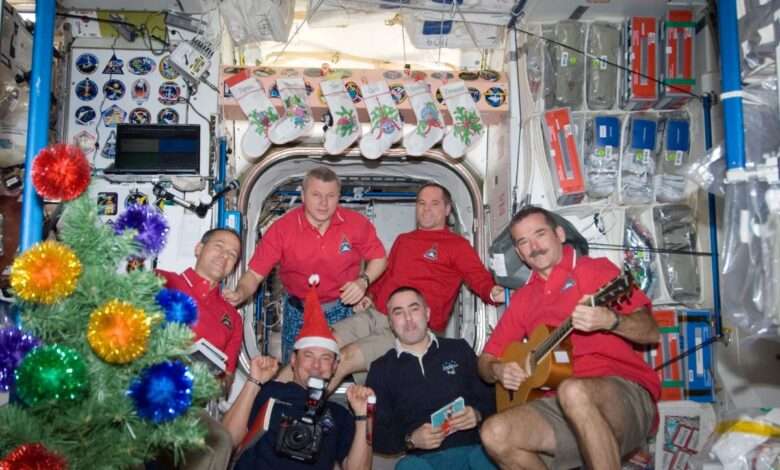
Through Astronaut Eyes: 25 Years of Life in Orbit
After 25 years of continuous human presence in space, the International Space Station remains a training and proving ground for deep space missions, enabling NASA to focus on Artemis missions to the Moon and Mars. The orbiting laboratory is also a living archive of human experience, culture, and connection. Creating community Expedition 34 crew members pictured in the Unity node of the…
Read More » -
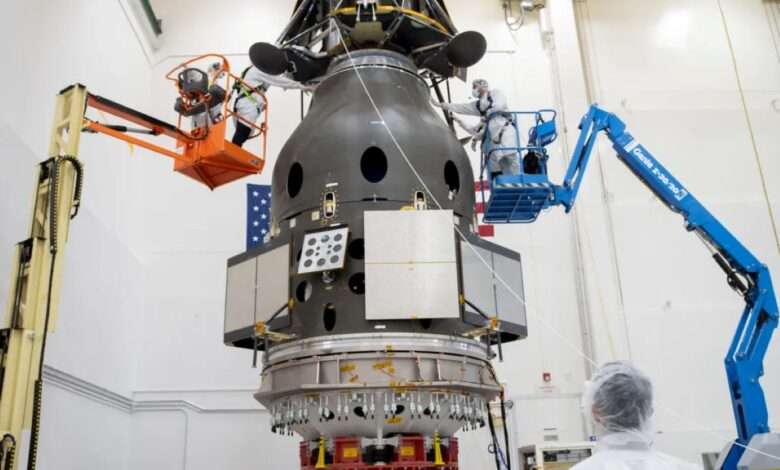
NASA JPL Shakes Things Up Testing Future Commercial Lunar Spacecraft
The same historic facilities that some 50 years ago prepared NASA’s twin Voyager probes for their ongoing interstellar odyssey are helping to ready a towering commercial spacecraft for a journey to the Moon. Launches involve brutal shaking and astonishingly loud noises, and testing in these facilities mimics those conditions to help ensure mission hardware can survive the ordeal. The latest…
Read More » -
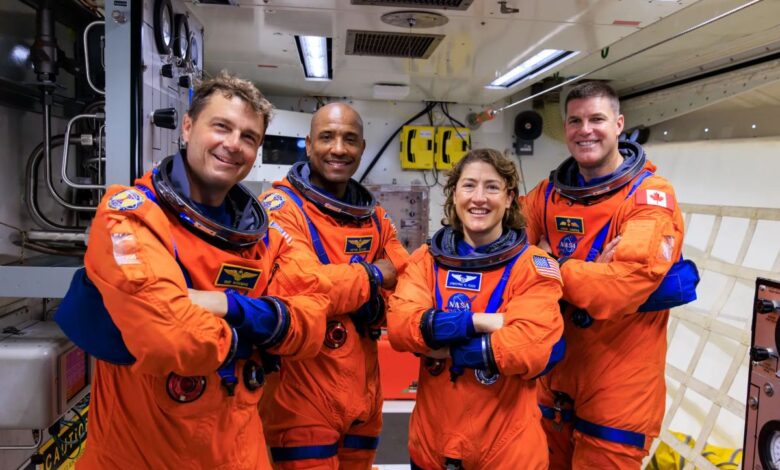
NASA Ignites New Golden Age of Exploration, Innovation in 2025
With a second Trump Administration at the helm in 2025, NASA marked significant progress toward the Artemis II test flight early next year, which is the first crewed mission around the Moon in more than 50 years, as well as built upon its momentum toward a human return to the lunar surface in preparation to send the first astronauts —…
Read More » -
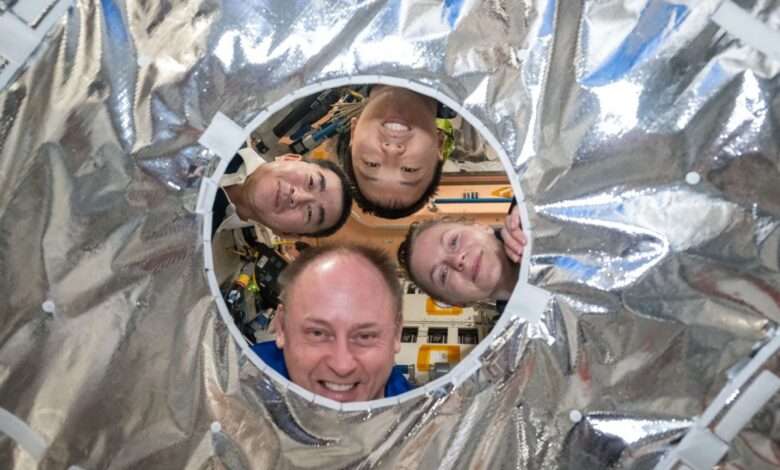
Peekaboo!
Clockwise from left, JAXA (Japan Aerospace Exploration Agency) astronaut Kimiya Yui and NASA astronauts Jonny Kim, Zena Cardman, and Mike Fincke pose for a playful portrait through a circular opening in a hatch thermal cover aboard the International Space Station on Sept. 18, 2025. The cover provides micrometeoroid and orbital debris protection while maintaining cleanliness and pressure integrity in the…
Read More » -
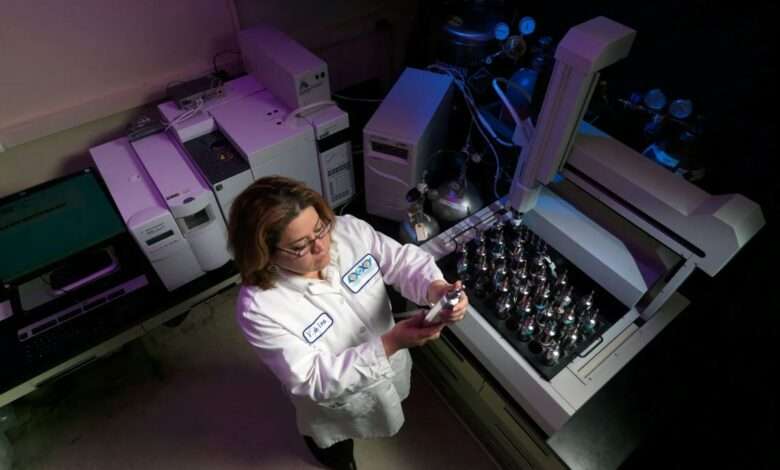
Toxicology and Environmental Chemistry
Ensuring Astronaut Safety Achieving safe exploration of space in vehicles that rely upon closed environmental systems to recycle air and water to sustain life and are operated in extremely remote locations is a major challenge. The Toxicology and Environmental Chemistry (TEC) group at Johnson Space Center (JSC) is made up of 2 interrelated groups: Toxicology support and the Environmental Chemistry…
Read More » -
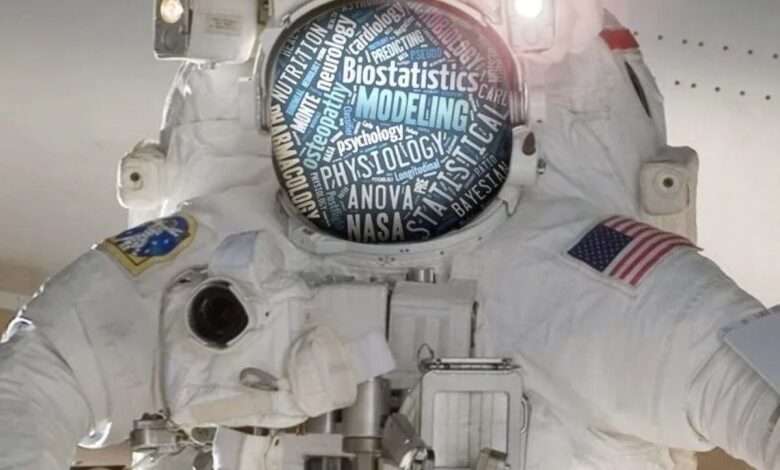
Statistics and Data Science
Enabling Successful Research A major aim of biomedical research at NASA is to acquire data to evaluate, understand, and assess the biomedical hazards of spaceflight and to develop effective countermeasures. Data Science (S&DS) personnel provide statistical support to groups within the NASA JSC Human Health and Performance Directorate and other NASA communities. They have expertise in the development of complex…
Read More »