
NASA
-
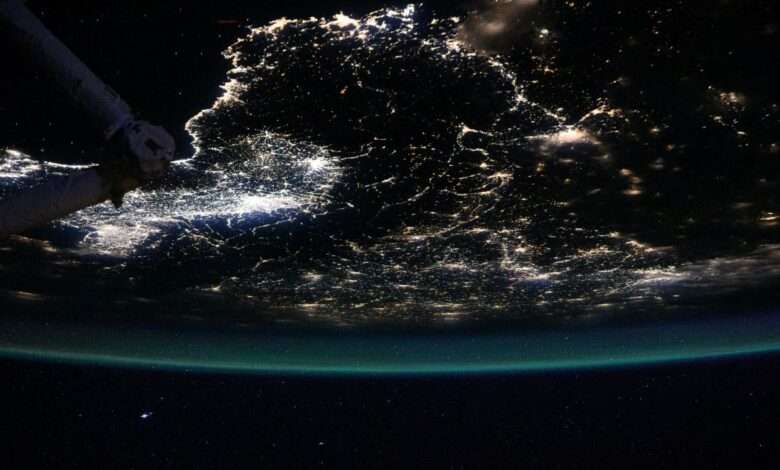
City Lights and Atmospheric Glow
JAXA (Japan Aerospace Exploration Agency) astronaut Kimiya Yui captured this photo of southern Europe and the northwestern Mediterranean coast from the International Space Station as it orbited 261 miles above Earth on Aug. 30, 2025. At left, the Po Valley urban corridor in Italy shines with the metropolitan areas of Milan and Turin and their surrounding suburbs. Crew members aboard…
Read More » -
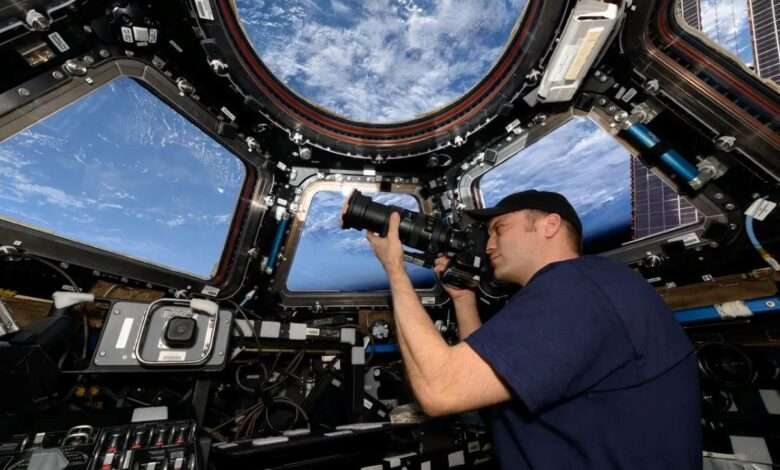
The Overview Effect: Astronaut Perspectives from 25 Years in Low Earth Orbit
To see Earth from space is to be forever changed by the view. Since Alan Shepard became the first American to lay eyes on our home planet from above, countless NASA astronauts have described feeling awed by the astonishing sight and a profound shift in perspective that followed. NASA astronaut Matthew Dominick points his camera through a cupola window as…
Read More » -

NASA Awards Liquid Hydrogen Supply Contracts
NASA has selected Plug Power, Inc., of Slingerlands, New York, and Air Products and Chemicals, Inc., of Allentown, Pennsylvania, to supply up to approximately 36,952,000 pounds of liquid hydrogen for use at facilities across the agency. The NASA Agency-wide Supply of Liquid Hydrogen awards are firm-fixed-price requirements contracts that include multiple firm-fixed-price delivery orders critical for the agency’s centers as…
Read More » -
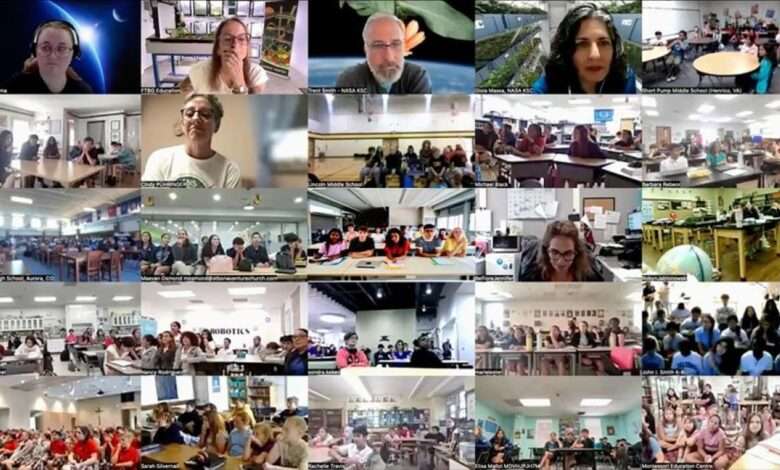
10 Years of Students Helping NASA Grow Space Food with Growing Beyond Earth
Nearly 1,250 middle and high school students from 71 schools around the world joined Fairchild Tropical Botanic Garden for the Growing Beyond Earth (GBE) Student Launch Chat with the Scientists, marking an inspiring milestone in the program’s 10th anniversary year. The live session, held in collaboration with NASA, connected classrooms directly with Dr. Gioia Massa and Trent M. Smith, senior…
Read More » -
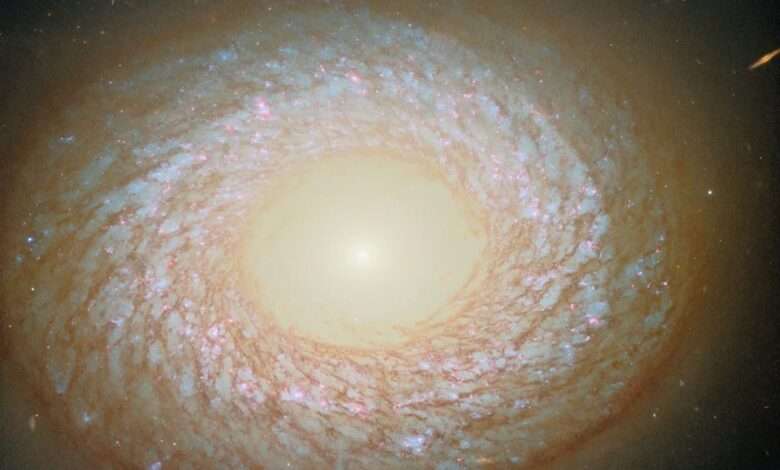
Hubble Captures Puzzling Galaxy
This NASA/ESA Hubble Space Telescope image features a galaxy that’s hard to categorize. The galaxy in question is NGC 2775, which lies 67 million light-years away in the constellation Cancer (the Crab). NGC 2775 sports a smooth, featureless center that is devoid of gas, resembling an elliptical galaxy. It also has a dusty ring with patchy star clusters, like a spiral galaxy.…
Read More » -
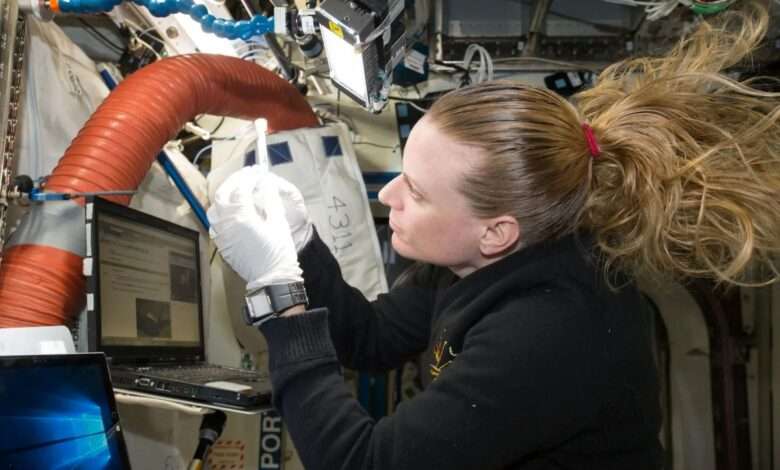
25 Years of Scientific Discovery Aboard the International Space Station
November marks 25 years of human presence aboard the International Space Station, a testament to international collaboration and human ingenuity. Since the first crew arrived on Nov. 2, 2000, NASA and its partners have conducted thousands of research investigations and technology demonstrations to advance exploration of the Moon and Mars and benefit life on Earth. Researchers have taken advantage of…
Read More » -
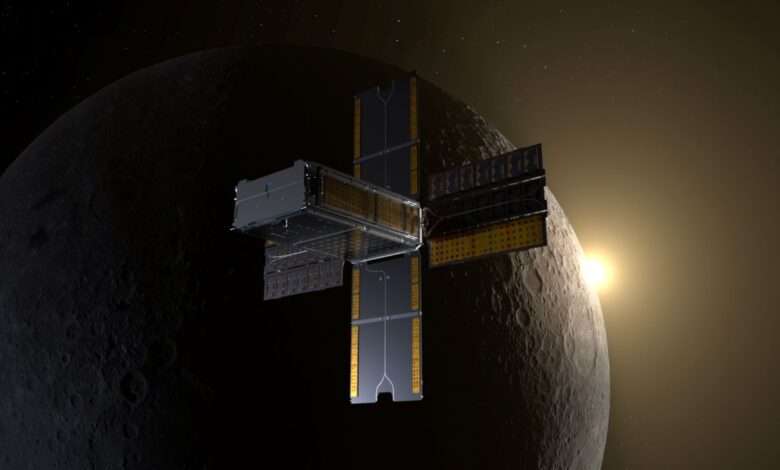
What is BioSentinel?
Editor’s Note: This article was updated Nov. 21, 2025 shortly after BioSentinel’s mission marked three years of operation in deep space. Astronauts live in a pretty extreme environment aboard the International Space Station. Orbiting about 250 miles above the Earth in the weightlessness of microgravity, they rely on commercial cargo missions about every two months to deliver new supplies and experiments. And yet,…
Read More » -
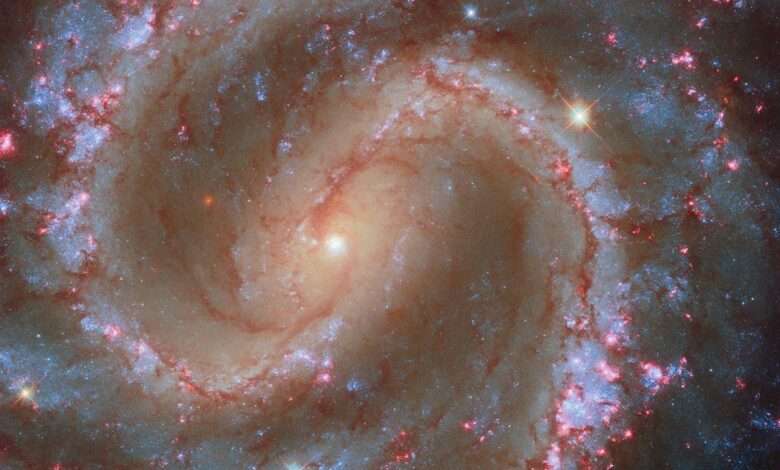
Hubble Seeks Clusters in ‘Lost Galaxy’
Today’s NASA/ESA Hubble Space Telescope image features the spiral galaxy NGC 4535, which is situated about 50 million light-years away in the constellation Virgo (the Maiden). Through a small telescope, this galaxy appears extremely faint, giving it the nickname ‘Lost Galaxy’. With a mirror spanning nearly eight feet (2.4 meters) across and its location above Earth’s light-obscuring atmosphere, Hubble can easily observe…
Read More » -
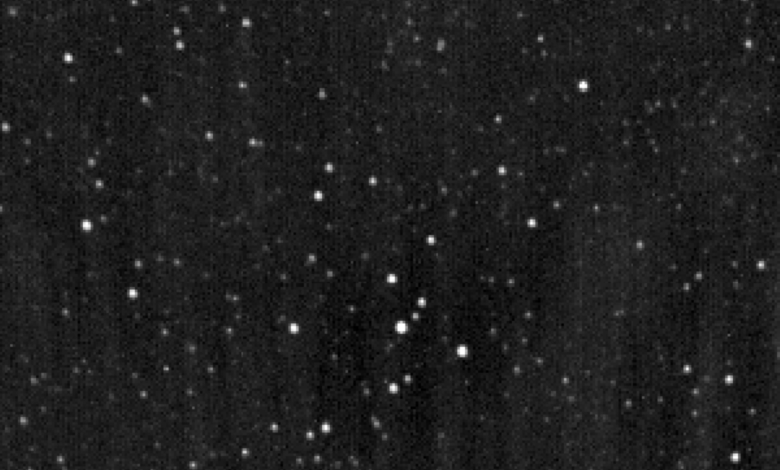
Europa Clipper Captures Uranus With Star Tracker Camera
Description NASA’s Europa Clipper captured this image of a starfield — and the planet Uranus — on Nov. 5, 2025, while experimenting with one of its two stellar reference units. These star-tracking cameras are used for maintaining spacecraft orientation. Within the camera’s field of view — representing 0.1% of the full sky around the spacecraft — Uranus is visible as a…
Read More » -
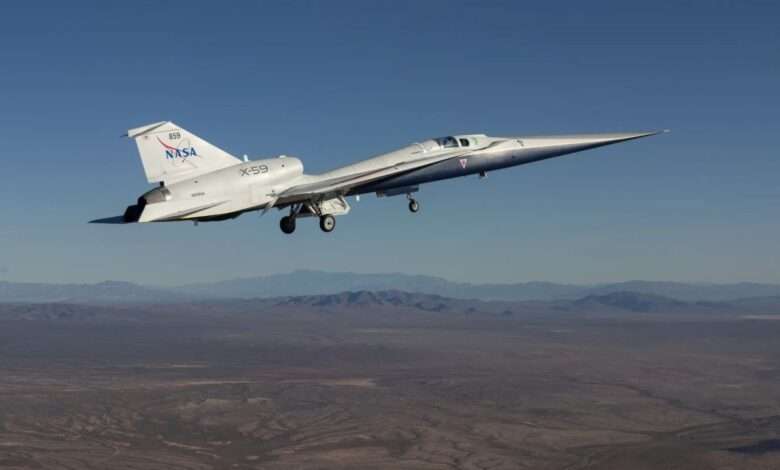
NASA’s Quesst Mission Marks X-59’s Historic First Flight
NASA’s X-59 quiet supersonic research aircraft took off for its historic first flight on Oct. 28 at 11:14 a.m. EDT from Lockheed Martin Skunk Works in Palmdale, California. The one-of-a-kind aircraft flew for 67 minutes before landing and taxiing to NASA’s Armstrong Flight Research Center in Edwards, California. NASA test pilot Nils Larson flew the X-59 up to an altitude…
Read More »