
NASA
-
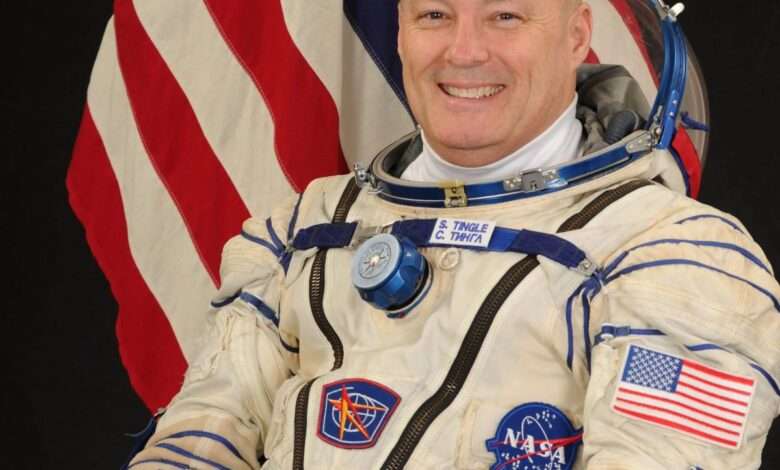
NASA’s Scott Tingle to Serve as Agency’s Chief Astronaut
NASA named astronaut Scott Tingle as chief of the Astronaut Office at the agency’s Johnson Space Center in Houston, effective Nov. 10. A decorated spaceflight veteran and former captain in the United States Navy, Tingle has logged more than 4,500 flight hours in 51 different aircraft and served as a flight engineer aboard the International Space Station. As chief astronaut, Tingle is…
Read More » -
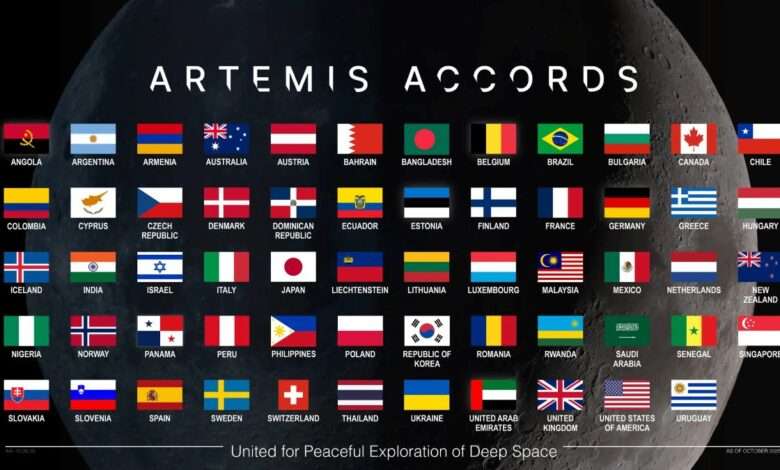
NASA Celebrates Five Years of Artemis Accords, Welcomes 3 New Nations
October marked the fifth anniversary of NASA and the original founders signing the Artemis Accords, as well as the recognition of Hungary, Malaysia and the Philippines joining the expanding coalition dedicated to the peaceful exploration of space. The number of countries involved now totals 59. “NASA welcomes the newest signatories, whose participation strengthens the global commitment to responsible exploration,” said…
Read More » -
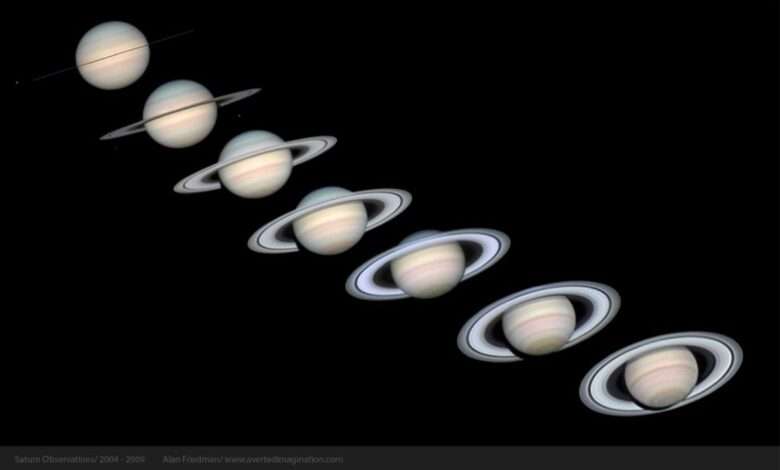
What’s Up: November 2025 Skywatching Tips from NASA
Mars and Mercury cozy up, the Leonids sparkle, and Saturn’s rings are…disappearing? Mars and Mercury get close for a conjunction, the Leonid meteor shower delights, and Saturn’s rings are…disappearing? Skywatching Highlights Nov. 12: A conjunction between Mars and Mercury Nov. 16-18: Leonid meteor shower peak viewing Nov. 23: Saturn’s rings disappear Transcript Mars and Mercury have a cozy conjunction, the…
Read More » -

NASA Sets Coverage for Crew Launch to Join Station Expedition
NASA astronaut Chris Williams will launch aboard the Roscosmos Soyuz MS-28 spacecraft to the International Space Station on Thursday, Nov. 27, accompanied by cosmonauts Sergey Kud-Sverchkov and Sergei Mikaev, where they will join the Expedition 73 crew advancing scientific research. Williams, Kud-Sverchkov, and Mikaev will lift off at 4:27 a.m. EST (2:27 p.m. Baikonur time) from the Baikonur Cosmodrome in…
Read More » -
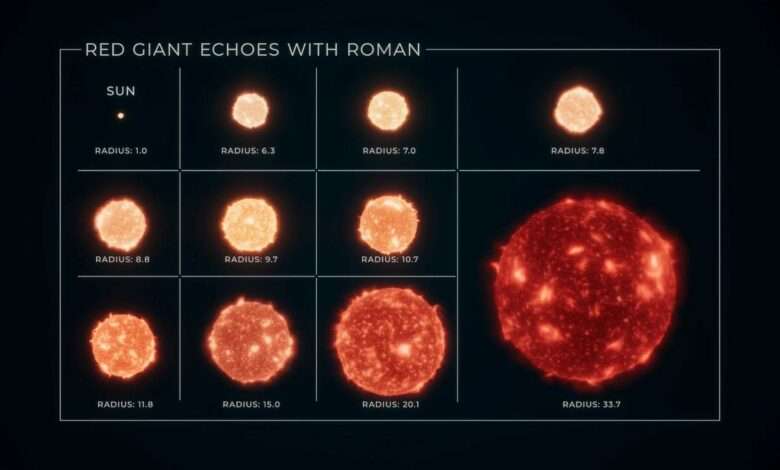
NASA’s Roman Could Bring New Waves of Information on Galaxy’s Stars
Lee esta nota de prensa en español aquí. A team of researchers has confirmed stars ring loud and clear in a “key” that will harmonize well with the science goals and capabilities of NASA’s upcoming Nancy Grace Roman Space Telescope. This artist’s concept visualizes the Sun and several red giant stars of varying radii. NASA’s upcoming Nancy Grace Roman Space Telescope…
Read More » -
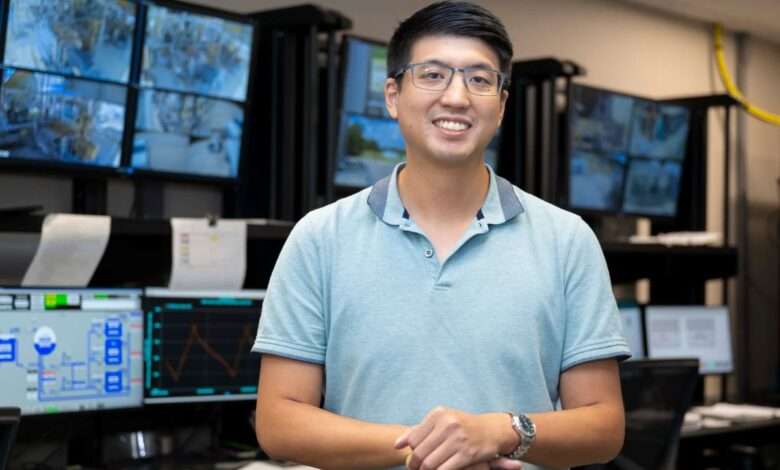
NASA Stennis Engineer Follows Family Footsteps into NASA’s Artemis Era
Huy Nguyen grew up hearing about rocket engines and space flight around the family table. His parents worked for NASA’s Michoud Assembly Facility in New Orleans, and those early conversations eventually started his path to NASA’s Stennis Space Center near Bay St. Louis, Mississippi. “They both created a household that allowed me to be curious and to be a problem…
Read More » -
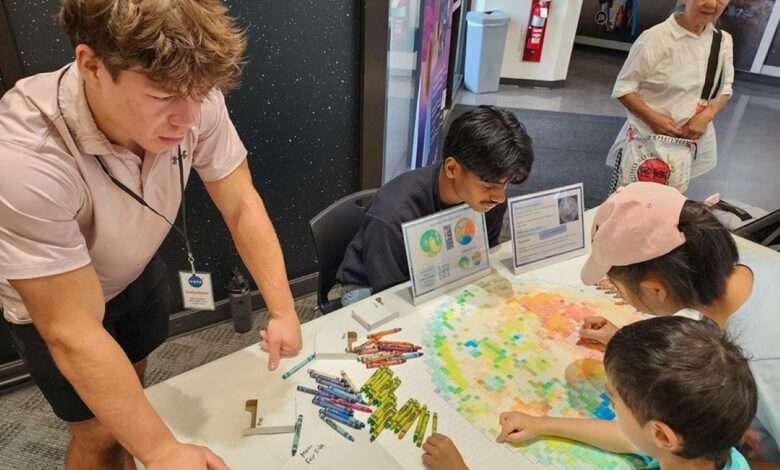
NASA Fuels Discovery from Earth to Sky: One Crayon at a Time
A collaboration between the NASA Earth Science Education Collaborative (NESEC) and Earth to Sky (ETS) – an exciting, growing partnership between NASA, the National Park Service, and other federal, state, and local organizations – is facilitating the implementation of a simple, yet incredibly effective activity that will help millions of national park visitors connect with NASA Earth and space science.…
Read More » -
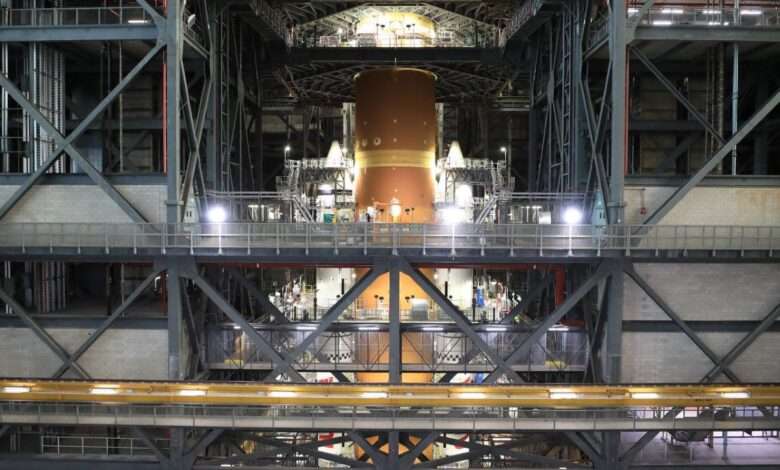
NASA Progresses Toward Artemis II Moon Mission
As 2026 nears, NASA continues moving forward to launching and flying Artemis II, the first crewed mission under the Artemis campaign, no later than April next year. NASA’s Orion spacecraft, complete with its launch abort system escape tower, is now integrated with the SLS (Space Launch System) rocket in the Vehicle Assembly Building (VAB) at the agency’s Kennedy Space Center in…
Read More » -
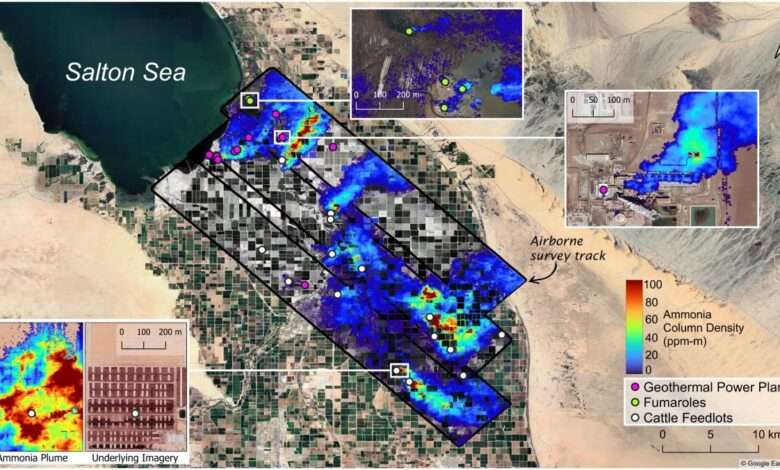
NASA, Aerospace Corporation Study Sharpens Focus on Ammonia Emissions
The pungent gas contributes to fine airborne particulate pollution, which endangers human health when inhaled and absorbed in the bloodstream. A recent study led by scientists at NASA’s Jet Propulsion Laboratory in Southern California and the nonprofit Aerospace Corporation shows how high-resolution maps of ground-level ammonia plumes can be generated with airborne sensors, highlighting a way to better track the…
Read More » -
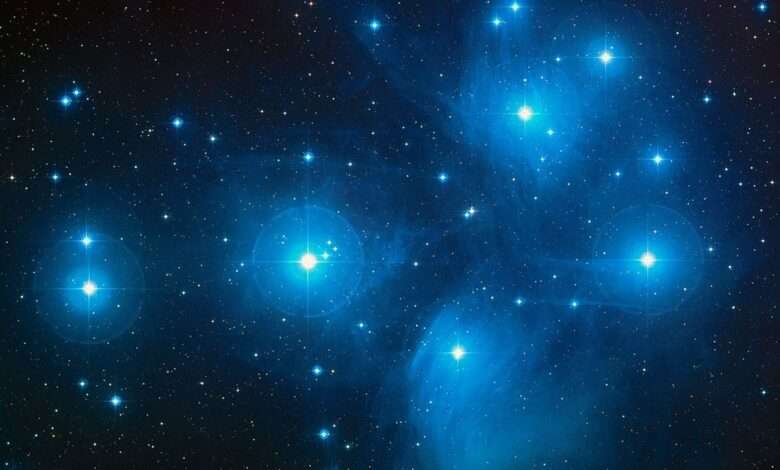
NASA’s TESS Spacecraft Triples Size of Pleiades Star Cluster
Astronomers have revolutionized our understanding of a collection of stars in the northern sky called the Pleiades. They used data from NASA’s TESS (Transiting Exoplanet Survey Satellite) and other observatories as NASA explores the secrets of the universe for the benefit of all, from the Moon to Mars and beyond. By examining the rotation, chemistry, and orbit around the Milky…
Read More »