
NASA
-
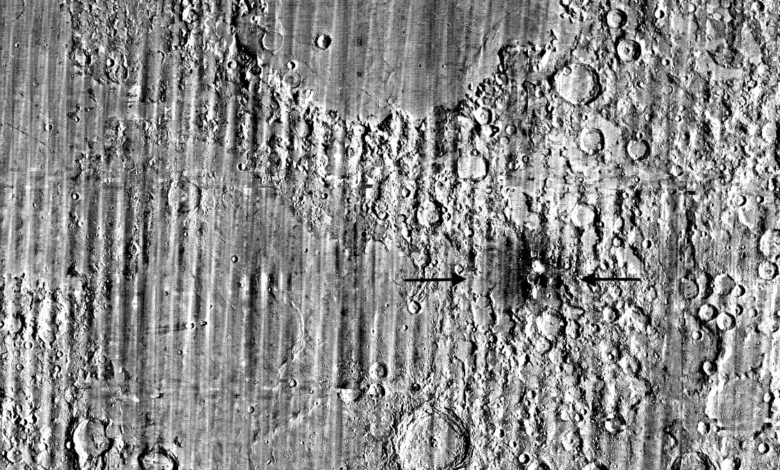
NASA’s Moon Orbiter Spots New, ‘Once-in-Century’ Moon Crater
It started as a routine data-quality check. But as Robert Wagner, a scientist with NASA’s Lunar Reconnaissance Orbiter (LRO), scanned a giant Moon map on his computer screen, an unusually large bright spot circled by a dark halo caught his eye, as it implied that surface material in that area had been shaken up. “I just stopped, dropped everything, and…
Read More » -

NASA Celebrates Restoration of Guam Station Damaged by Typhoon Mawar
NASA celebrated the full restoration of its Guam Remote Station with a ribbon-cutting on Sept. 10, closing out more than three years of recovery after Super Typhoon Mawar devastated the site in 2023. Engineers from across the agency completed the final and most complex step of the rebuild on July 1, when they returned the station’s central antenna to service.…
Read More » -
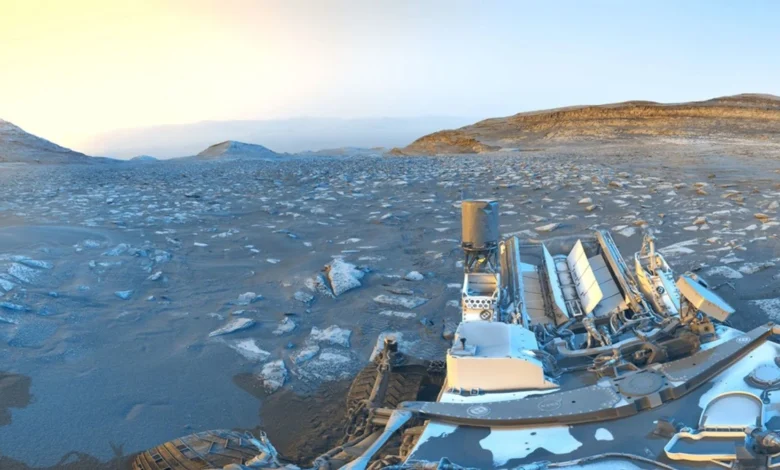
Curiosity Postcard Celebrates Rover’s 5,000th Day on Mars
Downloads Curiosity Postcard Celebrates Rover’s 5,000th Day on Mars JPEG (459.76 KB) PIA26700 Figure A PNG (29.01 MB) Description While parked at a sand ridge nicknamed “Chocolatal,” NASA’s Curiosity Mars rover used its black-and-white navigation cameras to capture panoramas at two times of day. The first was taken on Aug. 30, 2026, at 9:56 a.m. local Mars time; the second…
Read More » -
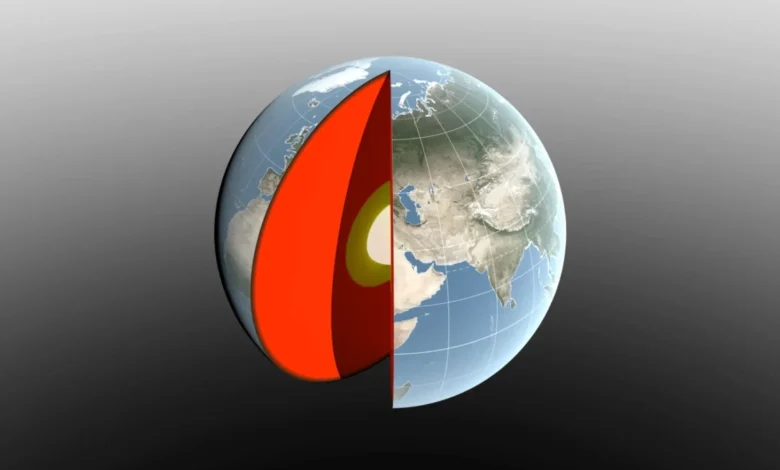
NASA Watches Earth’s Weight, Finds Center of Mass
Seasonal changes redistribute enough water around Earth to shift the planet’s center of mass back and forth by fractions of an inch relative to its geometric center. NASA scientists are on the case, tracking the oscillations because Earth’s center of mass is a crucial reference point for satellite navigation and elevation measurements. A team, led by NASA’s Jet Propulsion Laboratory…
Read More » -

Indonesia’s Anak Krakatau
Anak Krakatau erupts ash and volcanic gases in this Sept. 5, 2026, image acquired with the OLI (Operational Land Imager) on Landsat 8. Eruptions are a regular occurrence at Anak Krakatau, a small volcano between the Indonesian islands of Java and Sumatra. Much of its activity remains relatively mild, but it occasionally puts on more impressive and hazardous shows of…
Read More » -
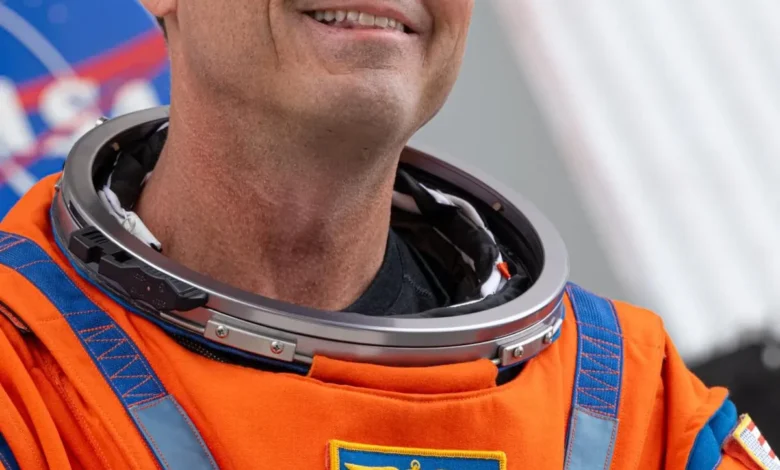
NASA Astronaut Reid Wiseman to Join NFL Fans in Baltimore
Editors’ Note: This advisory was updated on Sept. 17, 2026, to reflect current pre-game details. As part of NASA’s new Inspiration Tour, Reid Wiseman, NASA astronaut and commander of the agency’s Artemis II mission, will highlight America’s strengths in space exploration and aeronautics innovation at the Baltimore Ravens vs. New Orleans Saints game in Baltimore on Sunday, Sept. 20. A…
Read More » -

DJI Redefines the Premium Smart Cleaning Experience with Global Launch of ROMO 2
DJI, the global leader in civilian drones and creative camera technology, today launches the ROMO 2. Building on the spatial perception and smart home expertise established by the first generation, ROMO 2 brings millimeter-level obstacle sensing powered by the same drone technology behind DJI’s flagship aircraft — paired with an innovative radar-adaptive 123° ultra-wide swing robotic arm, end-to-end AI cleaning…
Read More » -
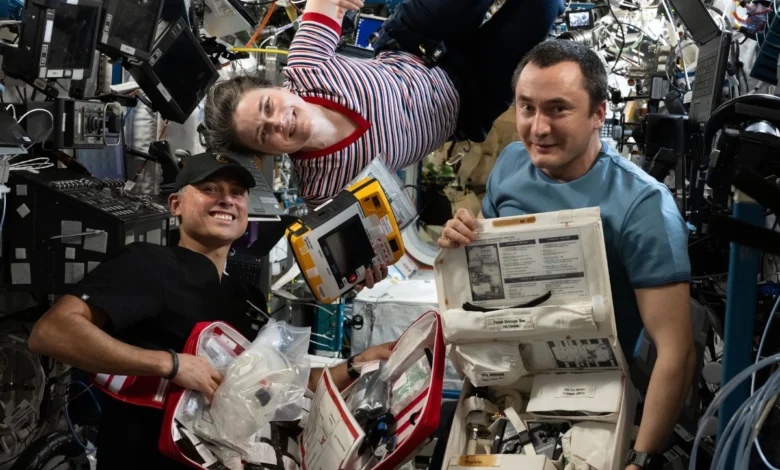
NASA’s Integrated Medical Model (IMM)
Discover the IMM reports and clinical information HERE! Planning crewed missions to the Moon and Mars involves preparing for the medical realities of long-duration space travel. Factors like cosmic radiation, microgravity, and distance from Earth create unique health considerations for astronauts. To anticipate these needs ahead of time, NASA developed the Integrated Medical Model (IMM). The IMM is a decision-support…
Read More » -
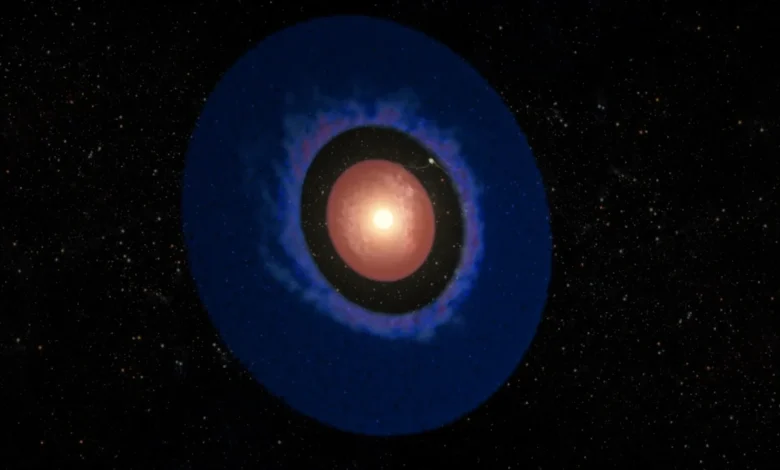
Newfound ‘Baby’ Planet Smashes Record for Youngest Known World
Astronomers have confirmed a world that’s less than a million years old as the youngest known planet, using data from NASA-funded archives. Called Elias 2-24 b, the baby planet is still whirling in its natal disk of dust and gas. “Our planet-formation models already struggled to explain the previous record holders for the youngest known planet — a four-way tie…
Read More » -
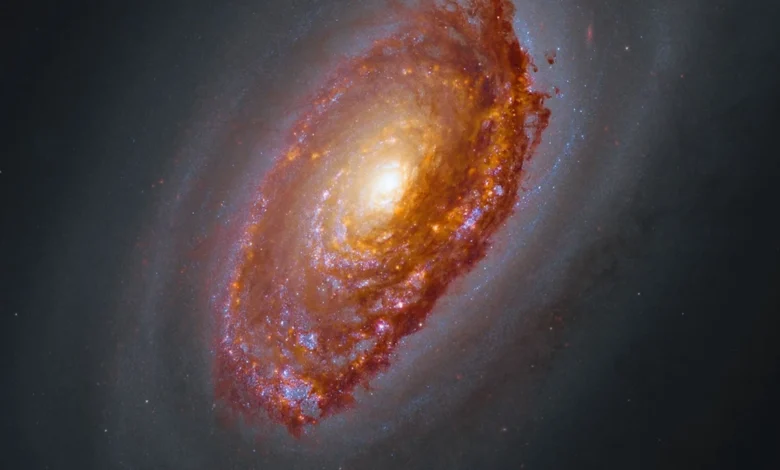
Astronomy Picture of the Day
Webb’s View of M64 Explanation: Sometimes where Hubble finds darkness, Webb sees light. An example is today’s composite images of Messier 64 (M64), a nearby spiral galaxy of many names. The dark band of dust partially blocking its bright core earned it the moniker “the Black Eye Galaxy.” Webb’s Mid-InfraRed Instrument (MIRI) sees that dust, shown in red, as it…
Read More »