
NASA
-
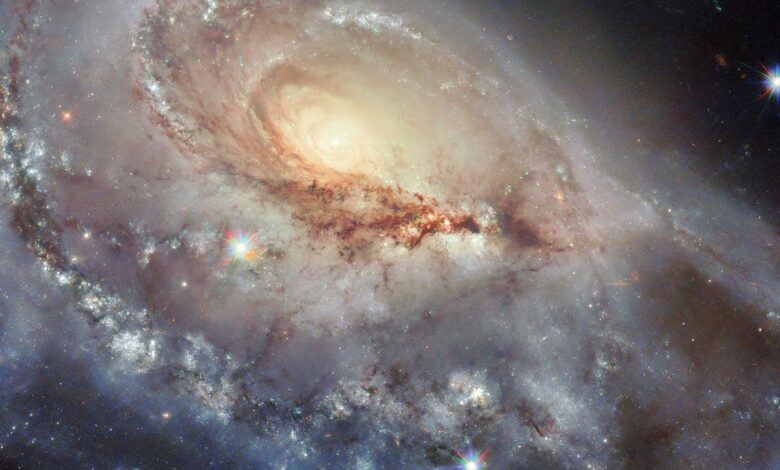
Hubble Images a Peculiar Spiral
A beautiful but skewed spiral galaxy dazzles in this NASA/ESA Hubble Space Telescope image. The galaxy, called Arp 184 or NGC 1961, sits about 190 million light-years away from Earth in the constellation Camelopardalis (The Giraffe). The name Arp 184 comes from the Atlas of Peculiar Galaxies compiled by astronomer Halton Arp in 1966. It holds 338 galaxies that are oddly shaped…
Read More » -
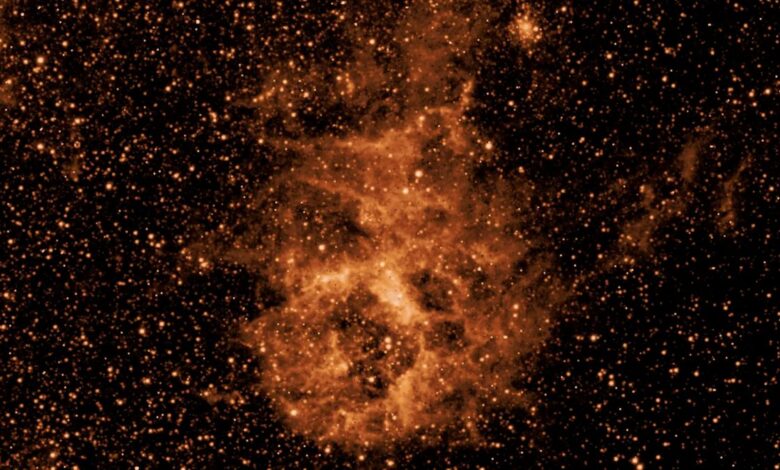
NASA’s SPHEREx Space Telescope Begins Capturing Entire Sky
After weeks of preparation, the space observatory has begun its science mission, taking about 3,600 unique images per day to create a map of the cosmos like no other. Launched on March 11, NASA’s SPHEREx space observatory has spent the last six weeks undergoing checkouts, calibrations, and other activities to ensure it is working as it should. Now it’s mapping…
Read More » -

NASA’s Chandra Diagnoses Cause of Fracture in Galactic “Bone”
Astronomers have discovered a likely explanation for a fracture in a huge cosmic “bone” in the Milky Way galaxy, using NASA’s Chandra X-ray Observatory and radio telescopes. The bone appears to have been struck by a fast-moving, rapidly spinning neutron star, or pulsar. Neutron stars are the densest known stars and form from the collapse and explosion of massive stars. They often receive a powerful kick…
Read More » -

ARMD Research Solicitations (Updated May 1)
THIS PAGE WAS UPDATED ON MAY 1, 2025(Added Advanced Air Vehicles Program Fellowship Opportunities.) This Aeronautics Research Mission Directorate (ARMD) solicitations page compiles the opportunities to collaborate with NASA’s aeronautical innovators and/or contribute to their research to enable new and improved air transportation systems. Most opportunities to participate in research are officially announced through the Web-based NASA Solicitation and Proposal Integrated…
Read More » -
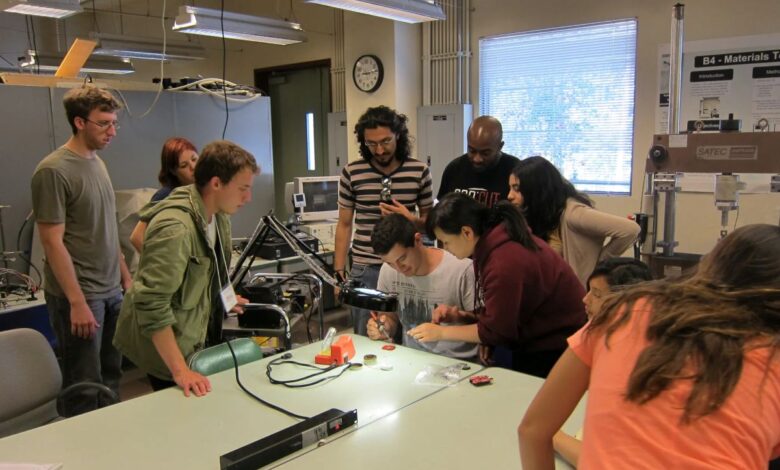
NASA Invests in Future STEM Workforce Through Space Grant Awards
NASA is awarding up to $870,000 annually to 52 institutions across the United States, the District of Columbia, and Puerto Rico over the next four years. The investments aim to create opportunities for the next generation of innovators by supporting workforce development, science, technology, engineering and math education, and aerospace collaboration nationwide. The Space Grant College and Fellowship Program (Space…
Read More » -
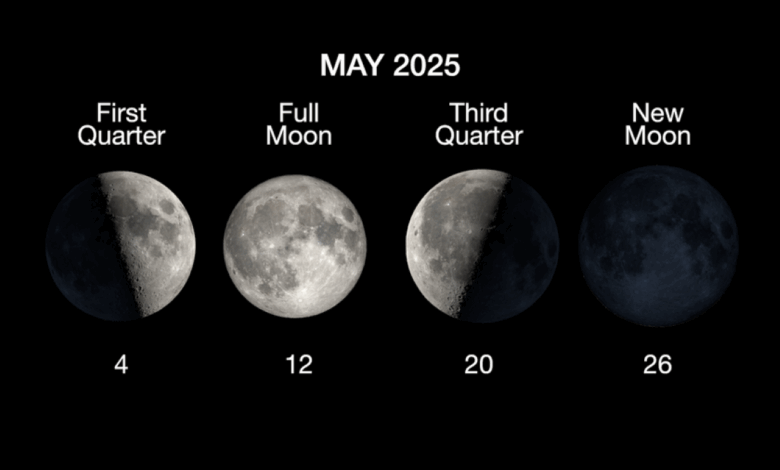
What’s Up: May 2025 Skywatching Tips from NASA
Eta Aquarids & Waiting for a Nova! The first week of May brings the annual Eta Aquarid meteors, peaking on the 6th. And sometime in the next few months, astronomers predict a “new star” or nova explosion will become visible to the unaided eye. Skywatching Highlights All Month – Planet Visibility: Venus: Appears very bright and low in the east in…
Read More » -
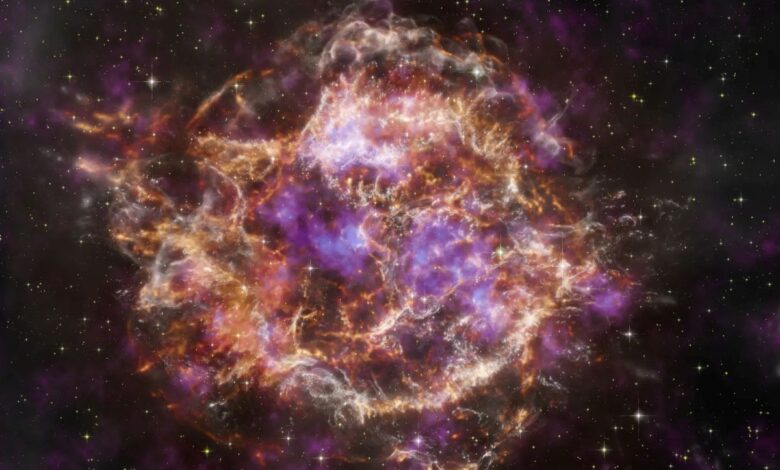
Adding Dimension to Cassiopeia A
Using NASA’s James Webb Space Telescope, astronomers uncovered a mysterious feature within the remnant, nicknamed the “Green Monster,” alongside a puzzling network of ejecta filaments forming a web of oxygen-rich material. When combined with X-rays from NASA’s Chandra X-ray Observatory, the data helped astronomers shed light on the origin of the Green Monster and revealed new insights into the explosion…
Read More » -
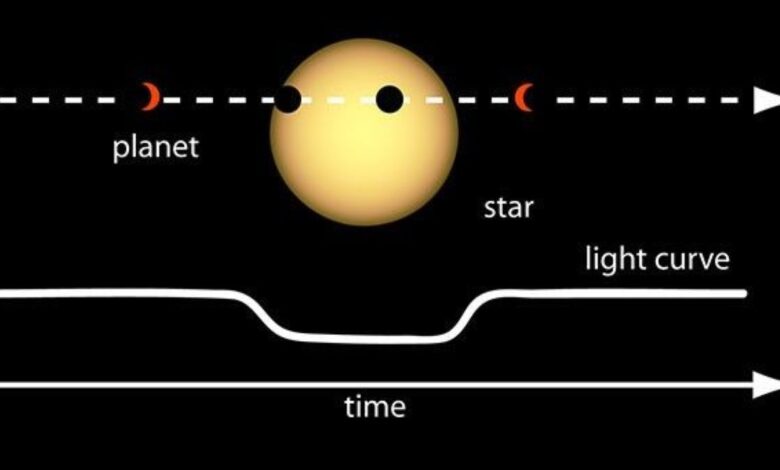
May’s Night Sky Notes: How Do We Find Exoplanets?
Astronomers have been trying to discover evidence that worlds exist around stars other than our Sun since the 19th century. By the mid-1990s, technology finally caught up with the desire for discovery and led to the first discovery of a planet orbiting another sun-like star, Pegasi 51b. Why did it take so long to discover these distant worlds, and what techniques…
Read More » -

Sols 4525-4526: The Day After Groundhog Day (Between Ghost Mountain and Texoli, Headed South)
Written by Lucy Lim, Planetary Scientist at NASA Goddard Space Flight Center Earth planning date: Monday, April 28, 2025 Curiosity is back on the road! For sols 4525 and 4526, we have an isolated nominal plan in which the communication pass timing works out in such a way that the rover can fit in fully targeted science blocks on both…
Read More » -
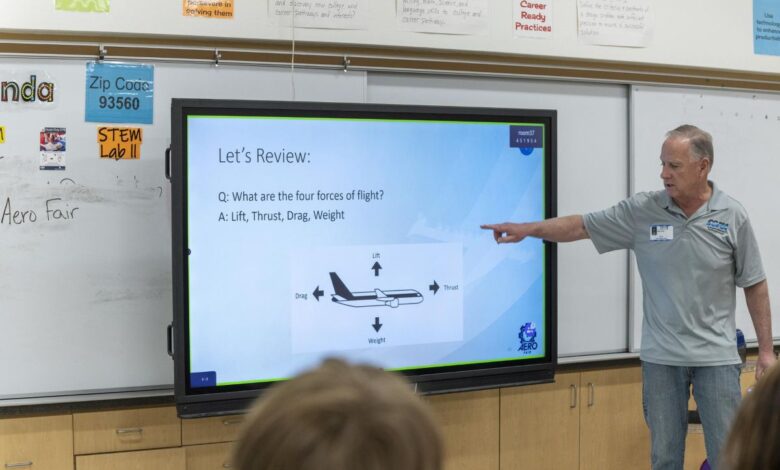
NASA STEM Programs Ignite Curiosity Beyond the Classroom
When curiosity takes flight, learning knows no bounds. The impact of supporting STEM education extends far beyond the classroom, shaping the future of innovation and exploration. NASA Engages is the agency’s outreach website that connects NASA experts and resources with communities, educators, and students across the country. Led by NASA’s Office of STEM Engagement, the platform fosters collaboration between educators,…
Read More »