
NASA
-
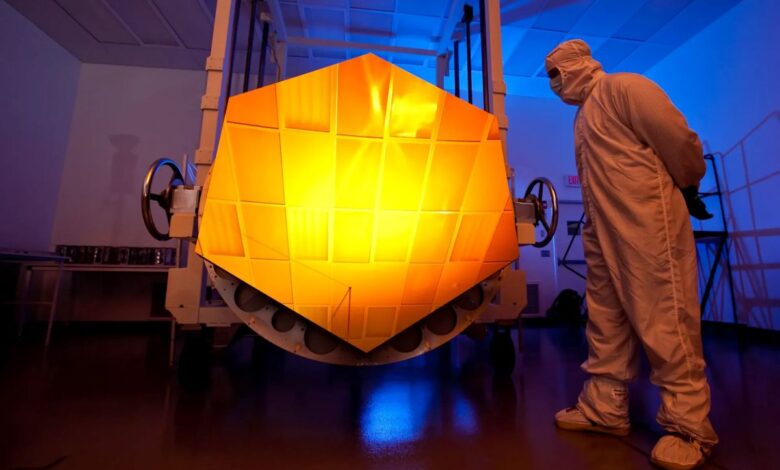
Career Spotlight: Engineer (Ages 14-18)
What does an engineer do? An engineer applies scientific principles to design, build, and test machines, systems, or structures to meet specific needs. They follow the steps of the engineering design process to ensure their designs work as planned while meeting a variety of requirements, including size, weight, safety, and cost. NASA hires several types of engineers to help tackle a range…
Read More » -
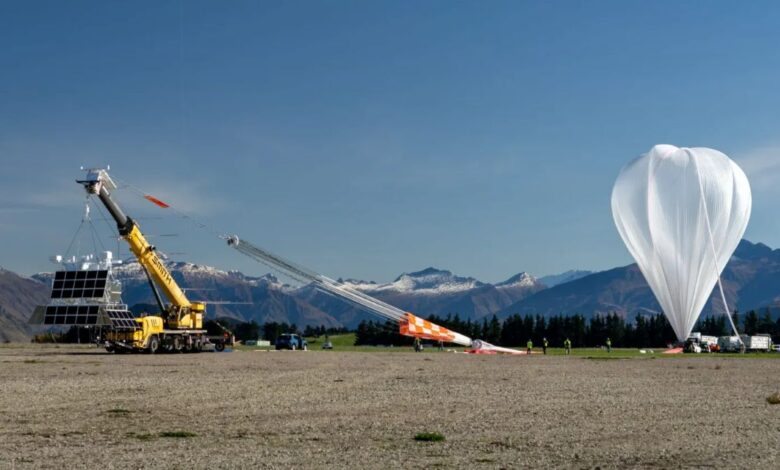
NASA Super Pressure Balloons Return to New Zealand for Test Flights
NASA’s Scientific Balloon Program has returned to Wānaka, New Zealand, for two scheduled flights to test and qualify the agency’s super pressure balloon technology. These stadium-sized, heavy-lift balloons will travel the Southern Hemisphere’s mid-latitudes for planned missions of 100 days or more. Launch operations are scheduled to begin in late March from Wānaka Airport, NASA’s dedicated launch site for mid-latitude,…
Read More » -
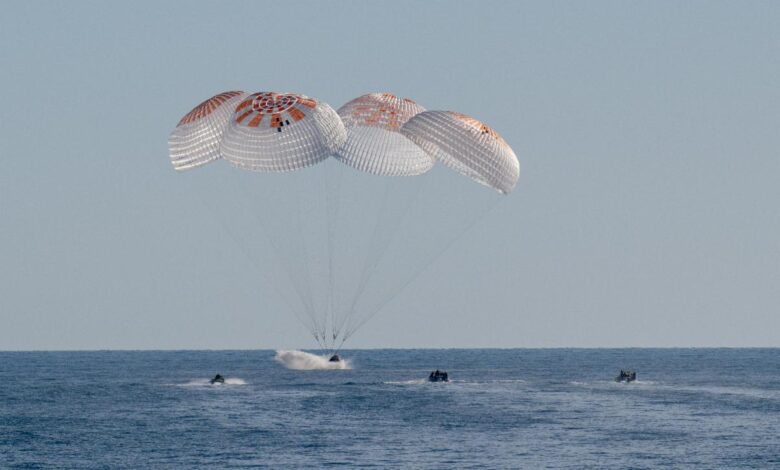
Welcome Home! NASA’s SpaceX Crew-9 Back on Earth After Science Mission
NASA’s SpaceX Crew-9 completed the agency’s ninth commercial crew rotation mission to the International Space Station on Tuesday, splashing down safely in a SpaceX Dragon spacecraft off the coast of Tallahassee, Florida, in the Gulf of America. NASA astronauts Nick Hague, Suni Williams, and Butch Wilmore, and Roscosmos cosmonaut Aleksandr Gorbunov, returned to Earth at 5:57 p.m. EDT. Teams aboard SpaceX recovery vessels retrieved the spacecraft…
Read More » -
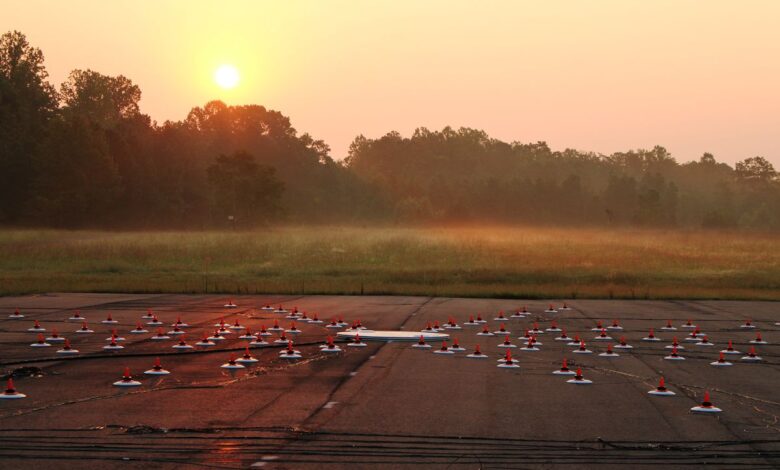
NASA Expertise Helps Record all the Buzz
Airplane manufacturers running noise tests on new aircraft now have a much cheaper option than traditional wired microphone arrays. It’s also sensitive enough to help farmers with pest problems. A commercial wireless microphone array recently created with help from NASA can locate crop-threatening insects by listening for the sounds they make in fields. Since releasing its first commercial product in…
Read More » -
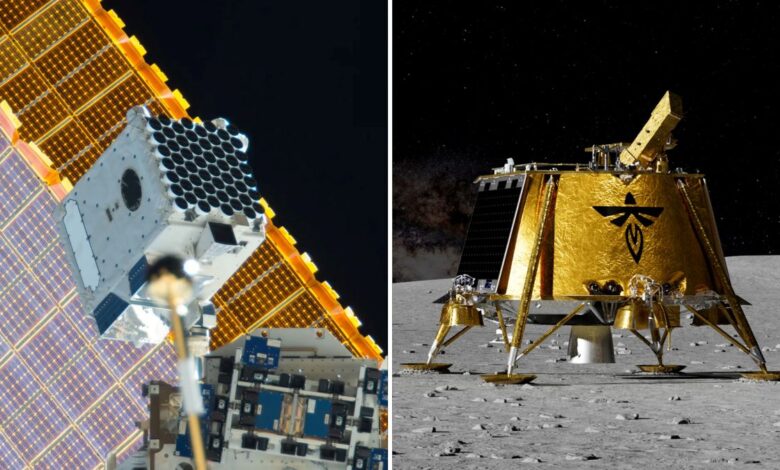
NASA Space Station Research Helps Power Moon Science
The International Space Station supports a wide range of scientific activities from looking out at our universe to breakthroughs in medical research, and is an active proving ground for technology for future Moon exploration missions and beyond. Firefly Aerospace’s Blue Ghost Mission-1 landed on the Moon on March 2, 2025, kicking off science and technology operations on the surface, including three experiments…
Read More » -
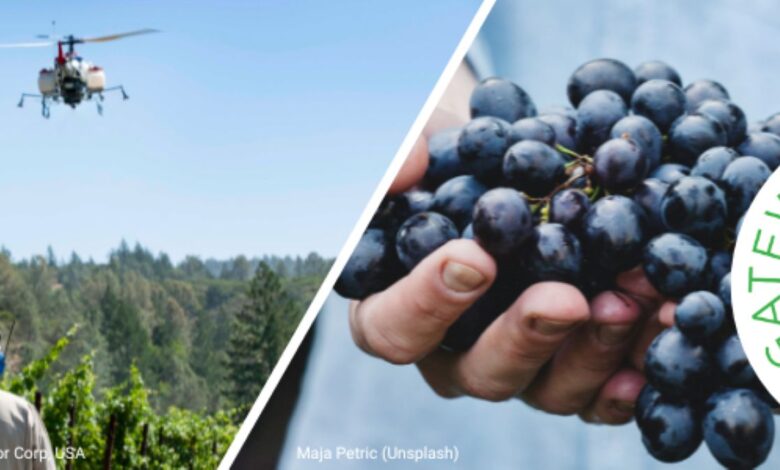
Finalists Selected in NASA Aeronautics Agriculture-Themed Competition
Eight finalist teams participating in the 2025 NASA Gateways to Blue Skies Competition have been selected to present to a panel of judges their design concepts for aviation solutions that can help the agriculture industry. Sponsored by NASA’s Aeronautics Research Mission Directorate, this year’s competition asked teams of university students to research new or improved aviation solutions to support agriculture.…
Read More » -
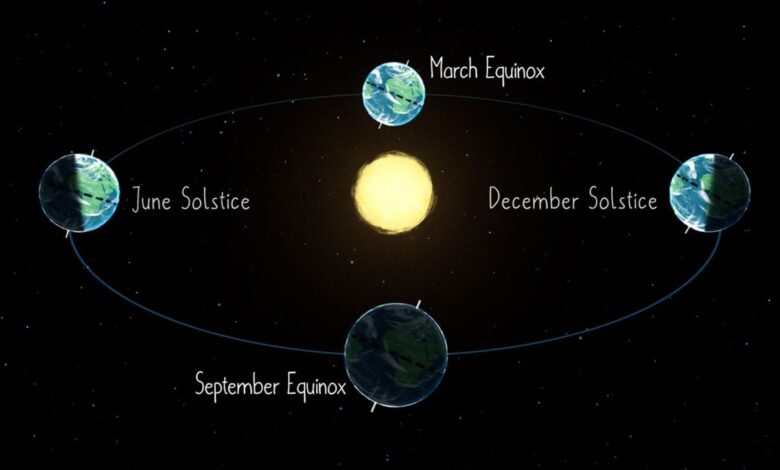
Embracing the Equinox
Depending on your locale, equinoxes can be seen as harbingers of longer nights and gloomy weather, or promising beacons of nicer temperatures and more sunlight. Observing and predicting equinoxes is one of the earliest skills in humanity’s astronomical toolkit. Many ancient observatories around the world observed equinoxes along with the more pronounced solstices. These days, you don’t need your own…
Read More » -
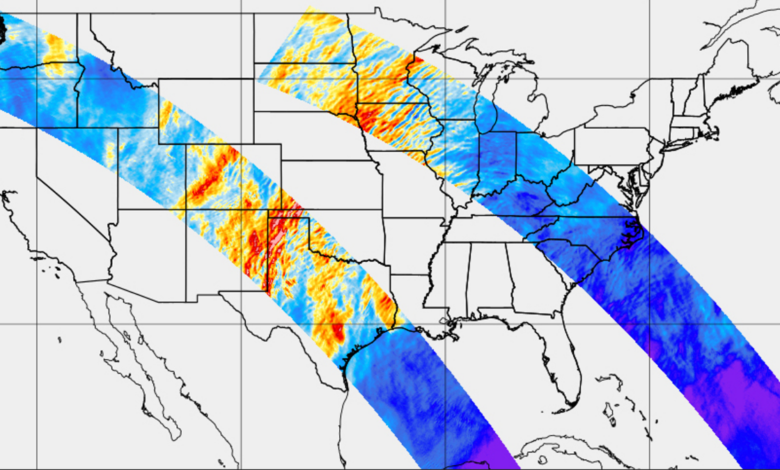
NASA Atmospheric Wave-Studying Mission Releases Data from First 3,000 Orbits
Following the 3,000th orbit of NASA’s AWE (Atmospheric Waves Experiment) aboard the International Space Station, researchers publicly released the mission’s first trove of scientific data, crucial to investigate how and why subtle changes in Earth’s atmosphere cause disturbances, as well as how these atmospheric disturbances impact technological systems on the ground and in space. “We’ve released the first 3,000 orbits of…
Read More » -
Blood Moon Lunar Eclipse
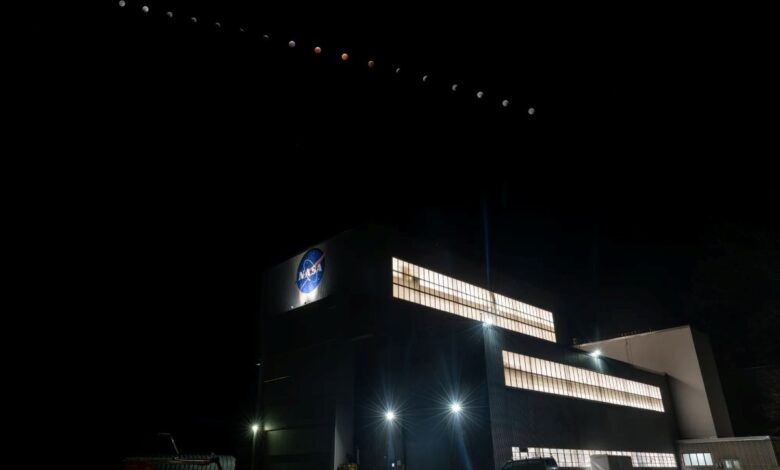
The phases of the lunar eclipse are visible in this time-lapse image of the Moon above the Space Environments Complex at NASA’s Glenn Research Center at NASA’s Neil Armstrong Test Facility in Sandusky, OH on March 14, 2025. Toward the middle of the Moon’s track through the sky, it appears red – this is the Blood Moon. One meaning of a “Blood…
Read More » -
Meet the Johnson CLPS Team Supporting NASA’s Lunar Exploration Goals
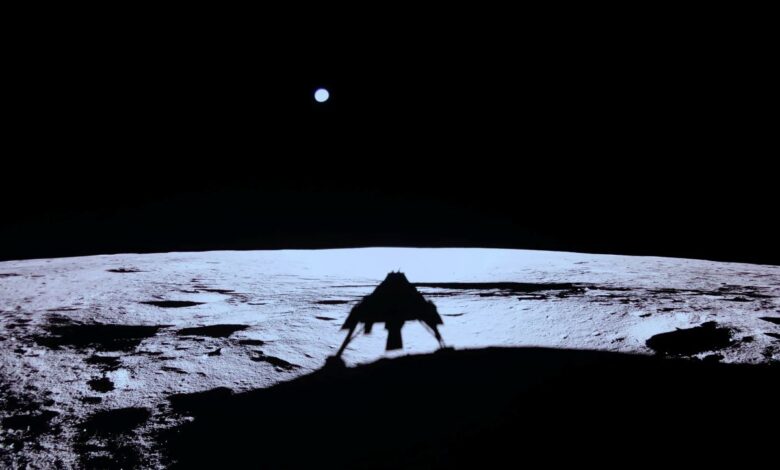
As part of NASA’s Artemis campaign, the Commercial Lunar Payload Services (CLPS) initiative, managed out of Johnson Space Center in Houston, is paving the way for conducting lunar science for the benefit of humanity. Through CLPS, NASA teams worked closely with commercial companies to develop a new model for space exploration, enabling a sustainable return to the Moon. These commercial missions deliver…
Read More »