
NASA
-

NASA Turns Off 2 Voyager Science Instruments to Extend Mission
The farthest-flung human-made objects will be able to take their science-gathering even farther, thanks to these energy-conserving measures. Mission engineers at NASA’s Jet Propulsion Laboratory in Southern California turned off the cosmic ray subsystem experiment aboard Voyager 1 on Feb. 25 and will shut off Voyager 2’s low-energy charged particle instrument on March 24. Three science instruments will continue to…
Read More » -
Hubble Captures New View of Colorful Veil
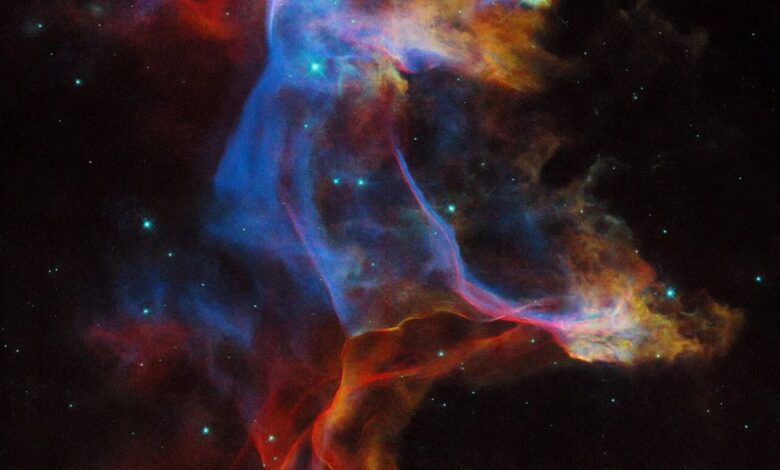
In this NASA/ESA Hubble Space Telescope image, Hubble once again lifts the veil on a famous — and frequently photographed — supernova remnant: the Veil Nebula. The remnant of a star roughly 20 times as massive as the Sun that exploded about 10,000 years ago, the Veil Nebula is situated about 2,400 light-years away in the constellation Cygnus. Hubble images of this…
Read More » -
Novel Recuperator Design for Cryogenic Fluid Management System
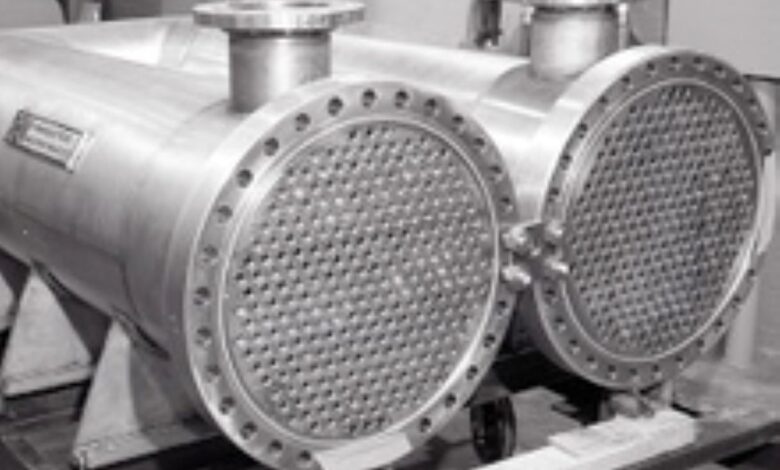
Cryocoolers are essential systems in many space exploration missions to maintain propellants at cryogenic temperatures. Cryogenic recuperators are a key component of these cryocoolers and dictate the performance of the system. NASA is seeking to reduce the cost and increase the performance of cryogenic recuperators (also called Heat Exchangers) by utilizing Additive Manufacturing (AM) technologies. Award: $7,000 in total prizes…
Read More » -
NASA’s SpaceX Crew-10 to Explore Deep Space Exercise, Health
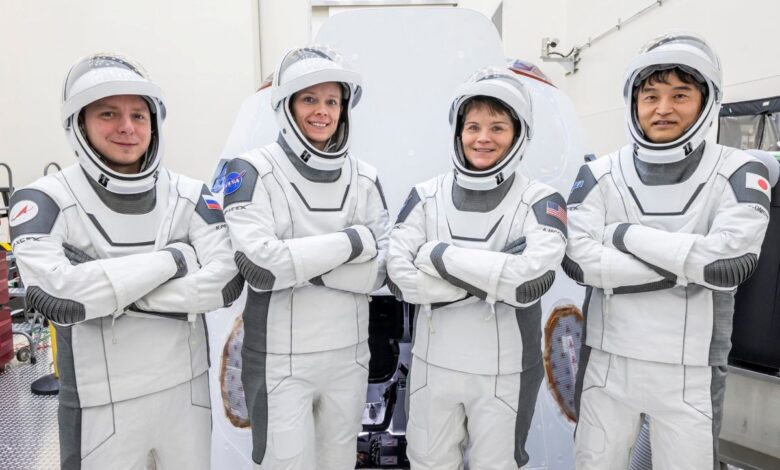
During NASA’s SpaceX Crew-10 mission to the International Space Station, which is scheduled to launch in March, select members of the four-person crew will participate in exercise and medical research aimed at keeping astronauts fit on future long-duration missions. Crew members living and working aboard the space station have access to a designated training area outfitted with a weight-lifting system, a…
Read More » -
2025 Aviation Weather Mission: Civil Air Patrol Cadets Help Scientists Study the Atmosphere with GLOBE Clouds
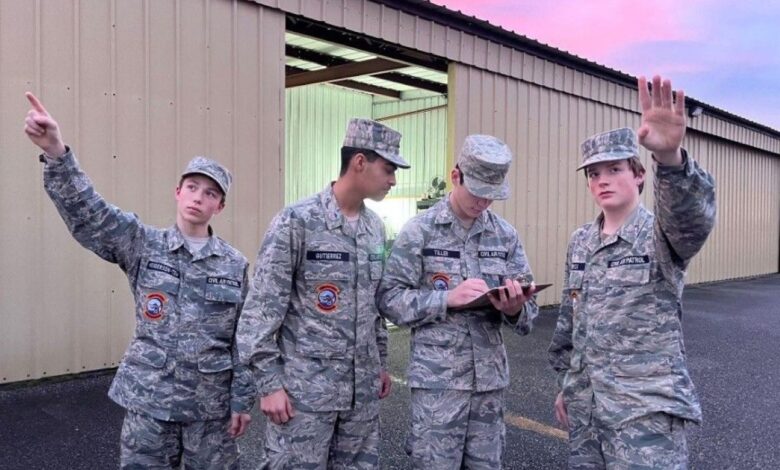
The Science Activation Program’s NASA Earth Science Education Collaborative (NESEC) is working alongside the Civil Air Patrol (CAP) to launch the 2025 Aviation Weather Mission. The mission will engage cadets (students ages 11-20) and senior members to collect aviation-relevant observations including airport conditions, Global Learning and Observations to Benefit the Environment (GLOBE) Cloud observations, commercial aircraft information (including registration number and altitude), and satellite…
Read More » -
NASA Awards Launch Service for Mission to Study Storm Formation
NASA has selected Firefly Aerospace Inc. of Cedar Park, Texas, to provide the launch service for the agency’s Investigation of Convective Updrafts (INCUS) mission, which aims to understand why, when, and where tropical convective storms form, and why some storms produce extreme weather. The mission will launch on the company’s Alpha rocket from NASA’s Wallops Flight Facility in Virginia. The…
Read More » -
Station Nation: Meet Chris Wade, Visiting Vehicle Integration Manager for SpaceX Vehicles
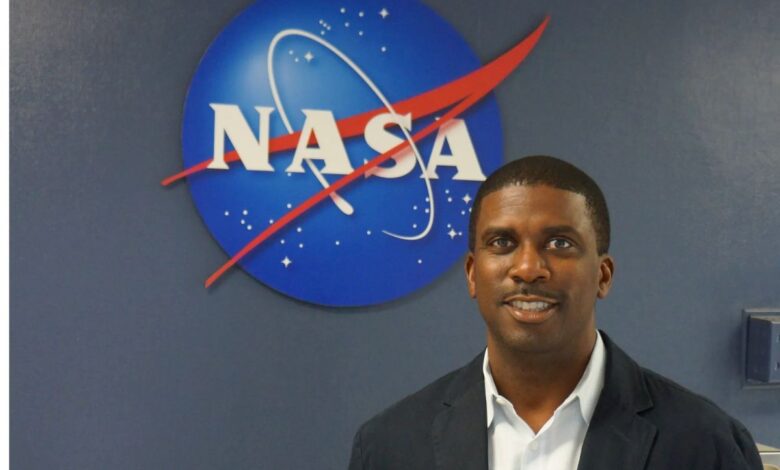
Chris Wade is a visiting vehicle integration manager for SpaceX vehicles in the International Space Station Transportation Integration Office. He plays a key role in ensuring that all vehicle requirements are on track to support SpaceX missions to the space station. Chris also manages a team of real-time mission support personnel who follow launch, docking, undocking, and splashdown operations. Read…
Read More » -

FARMing with Data: OpenET Launches new Tool for Farmers and Ranchers
A NASA and U.S. Geological Survey (USGS)-supported research and development team is making it easier for farmers and ranchers to manage their water resources. The team, called OpenET, created the Farm and Ranch Management Support (FARMS) tool, which puts timely, high-resolution water data directly in the hands of individuals and small farm operators. By making the information more accessible, the platform…
Read More » -

March’s Night Sky Notes: Messier Madness
What Are Messier Objects? During the 18th century, astronomer and comet hunter Charles Messier wanted to distinguish the ‘faint fuzzies’ he observed from any potential new comets. As a result, Messier cataloged 110 objects in the night sky, ranging from star clusters to galaxies to nebulae. These items are designated by the letter ‘M’ and a number. For example, the Orion Nebula is Messier 42 or M42,…
Read More » -
Blue Ghost Lands on Moon
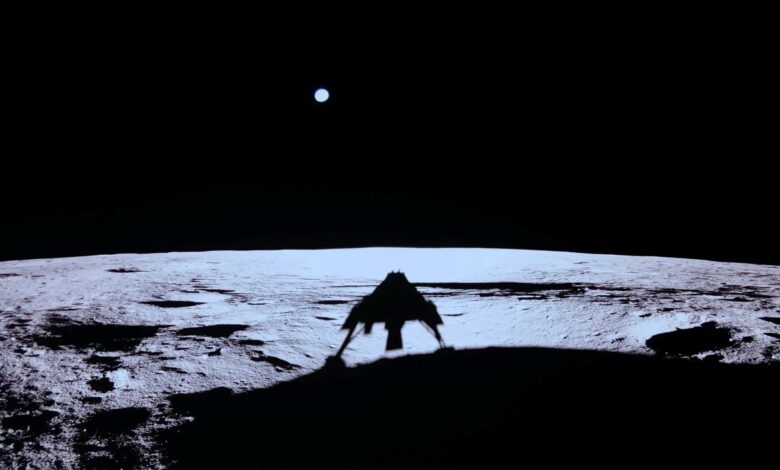
The shadow of Firefly Aerospace’s Blue Ghost lunar lander can be seen in this photo from the Moon, taken after landing on March 2, 2025. The lander safely delivered a suite of 10 NASA science and technology instruments; these instruments will operate on the lunar surface for approximately one lunar day, or about 14 Earth days. The successful Moon delivery…
Read More »