
NASA
-
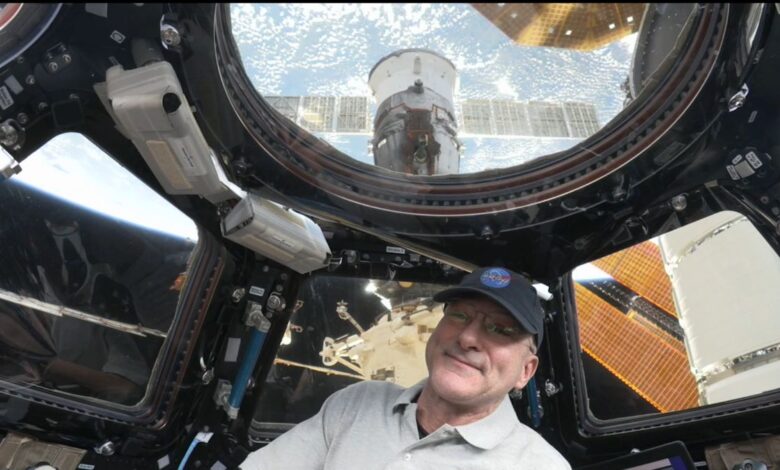
NASA Goes Live: First Twitch Stream from Space Station
For the first time, NASA is hosting a live Twitch event from about 250 miles off the Earth aboard the International Space Station, bringing new audiences closer to space than ever before. Viewers will have the opportunity to hear from NASA astronauts live and ask questions about life in orbit. The event will begin at 11:45 a.m. EST on Wednesday,…
Read More » -
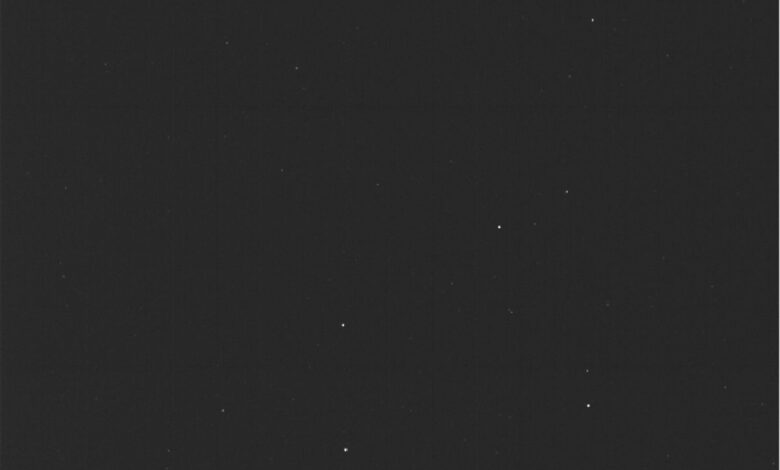
En Route to Jupiter, NASA’s Europa Clipper Captures Images of Stars
The spacecraft’s star trackers help engineers orient the orbiter throughout its long journey to Jupiter’s icy moon Europa. Three months after its launch from NASA’s Kennedy Space Center in Florida, the agency’s Europa Clipper has another 1.6 billion miles (2.6 billion kilometers) to go before it reaches Jupiter’s orbit in 2030 to take close-up images of the icy moon Europa…
Read More » -

NASA’s Cloud-based Confluence Software Helps Hydrologists Study Rivers on a Global Scale
Rivers and streams wrap around Earth in complex networks millions of miles long, driving trade, nurturing ecosystems, and stocking critical reserves of freshwater. But the hydrologists who dedicate their professional lives to studying this immense web of waterways do so with a relatively limited set of tools. Around the world, a patchwork of just 3,000 or so river gauge stations…
Read More » -

Straight Shot: Hubble Investigates Galaxy with Nine Rings
NASA’s Hubble Space Telescope has captured a cosmic bullseye! The gargantuan galaxy LEDA 1313424 is rippling with nine star-filled rings after an “arrow” — a far smaller blue dwarf galaxy — shot through its heart. Astronomers using Hubble identified eight visible rings, more than previously detected by any telescope in any galaxy, and confirmed a ninth using data from the W. M.…
Read More » -
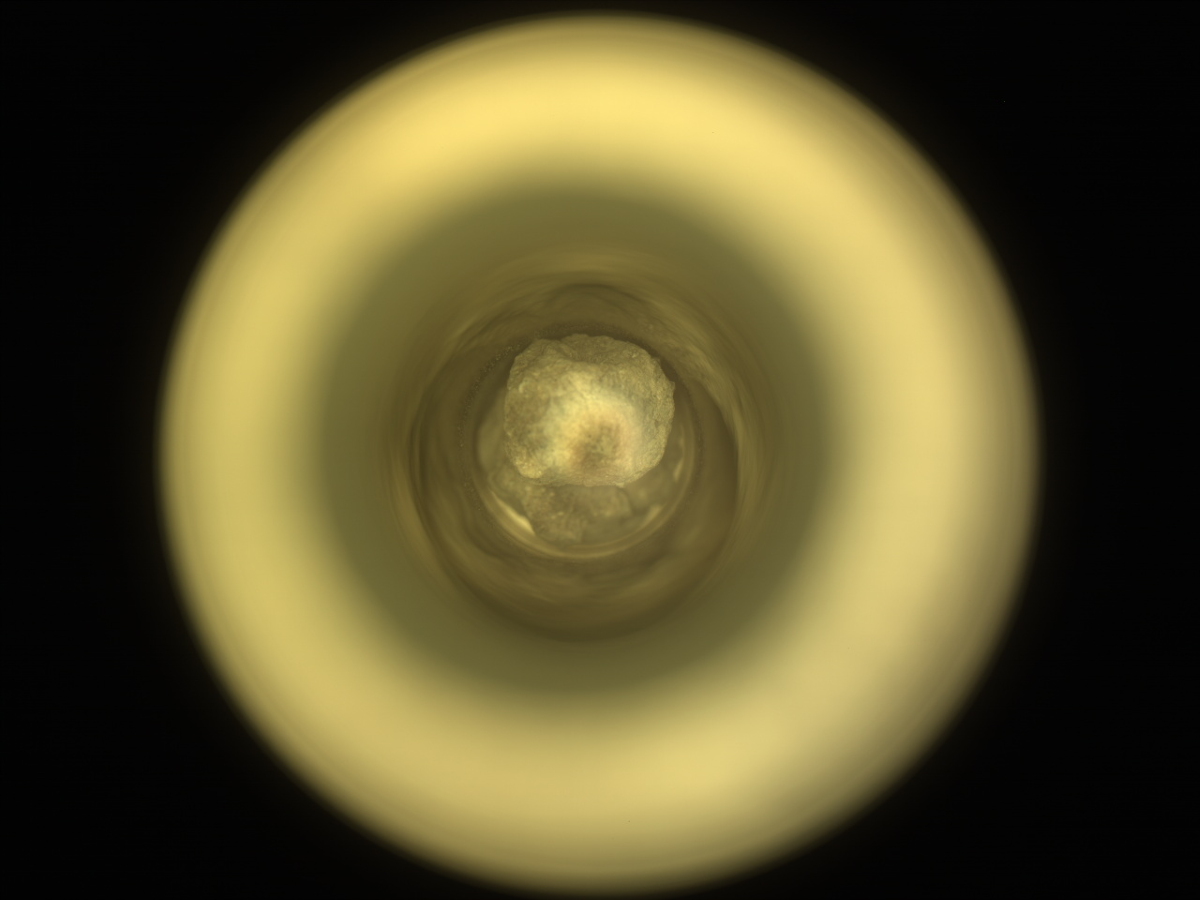
Persevering Through Science
The Mars 2020 Perseverance rover continues to live up to its name, pushing forward in search of ancient Martian secrets. Following a brief period of system verification and remote testing, our operations team is back at full strength, and Perseverance has been hard at work uncovering new geological insights. We began our latest campaign at “Mill Brook,” a site surrounded…
Read More » -

Sols 4441-4442: Winter is Coming
Earth planning date: Friday, Jan. 31, 2025 Here in Earth’s northern hemisphere, the days are slowly getting longer, bringing with them the promise of an end to winter. While we are anticipating the return of warmer temperatures, just over 100 million kilometers (more than 62 million miles) away, Curiosity is starting to feel the bite of the colder season. One…
Read More » -
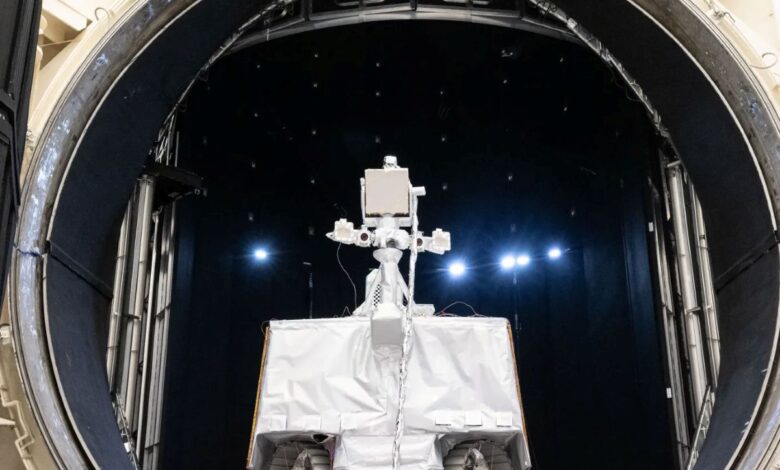
NASA Presses Forward Search for VIPER Moon Rover Partner
Editor’s note: This release was updated on Feb. 4, 2025, to reflect a change in the deadline for when responses to the proposal are due. To advance plans of securing a public/private partnership and land and operate NASA’s VIPER (Volatiles Investigating Polar Exploration Rover) mission on the Moon in collaboration with industry the agency announced Monday it is seeking U.S.…
Read More » -
NASA Awards Contract for Airborne Science Flight Services Support
NASA has awarded Dynamic Aviation Group Inc. of Bridgewater, Virginia, the Commercial Aviation Services contract to support the agency’s Airborne Science Program. The program provides aircraft and technology to further science and advance the use of Earth observing satellite data, making NASA data about our home planet and innovations accessible to all. This is an indefinite-delivery/indefinite-quantity firm-fixed-price contract with a…
Read More » -

Stacking Artemis II
NASA’s iconic “worm” insignia stands out in this photo taken on Jan. 24, 2025, as engineers and technicians prepared to lift the left center center booster segment for the agency’s SLS (Space Launch System) rocket. The boosters will help support the remaining rocket components and the Orion spacecraft during final assembly of the Artemis II Moon rocket and provide more than 75 percent…
Read More » -
Station Science Top News: Jan. 31, 2025
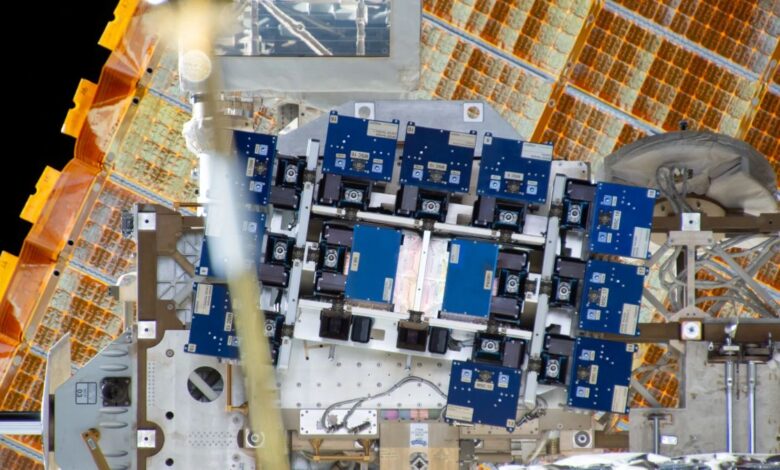
Researchers found that plant seeds exposed to space germinated at the same rate as those kept on the ground. This finding shows that plant seeds can remain viable during long-term space travel and plants could be used for food and other uses on future missions. Materials International Space Station Experiment-14 exposed a variety of materials to space, including 11 types of…
Read More »