
NASA
-

NASA’s ASTRO CAMP – and its Impact – Continues to Grow in FY2024
When it comes to NASA’s ASTRO CAMP®, the numbers – and impact – of the initiative to help students across the nation and world learn about NASA and STEM (science, technology, engineering, and mathematics) just continue to grow and grow and grow. As in recent years, the NASA ASTRO CAMP® Community Partners (ACCP) program surpassed previous milestone marks in fiscal year 2024 by…
Read More » -
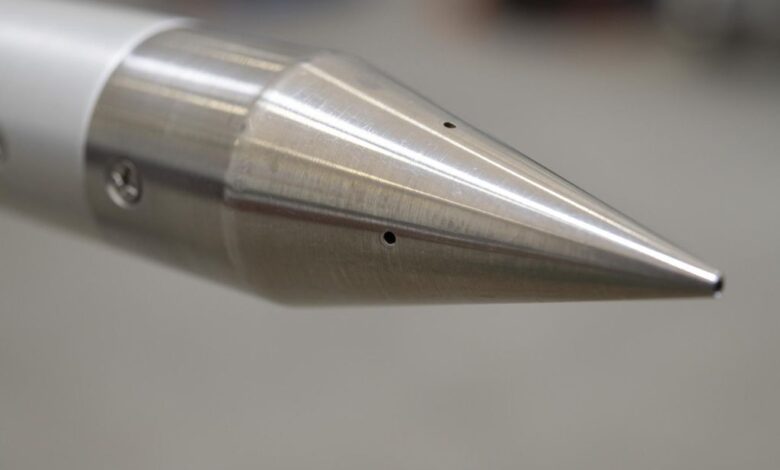
NASA to Test Technology for X-59’s Unique Shock Wave Measurements
NASA will soon test advancements made on a key tool for measuring the unique “sonic thumps” that its quiet supersonic X-59 research aircraft will make while flying. A shock-sensing probe is a cone-shaped air data probe developed with specific features to capture the unique shock waves the X-59 will produce. Researchers at NASA’s Armstrong Flight Research Center in Edwards, California,…
Read More » -

NASA Invites Media to Administrator Flight in Electra Hybrid-Electric Aircraft
NASA Administrator Bill Nelson will fly in aircraft manufacturer Electra’s EL2 Goldfinch experimental prototype aircraft on Sunday, Dec. 8. Members of the media are invited to speak with Nelson and Electra leaders just prior to the flight at 11:45 a.m. EST at Manassas Regional Airport in Manassas, Virginia. Electra designed the experimental aircraft with the goals of reducing emissions and…
Read More » -
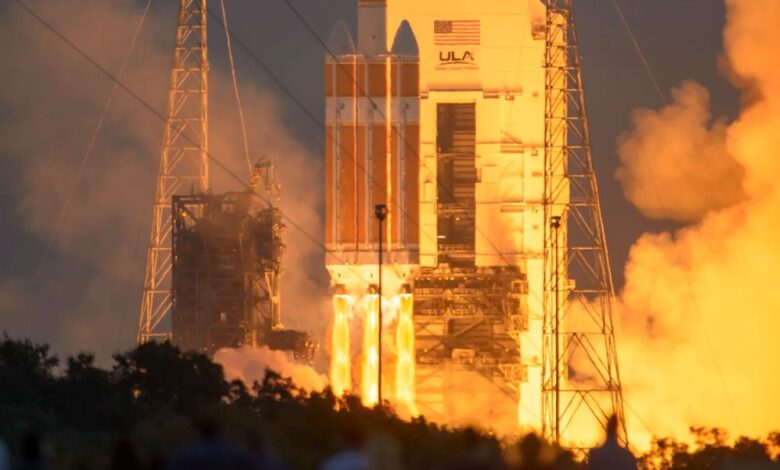
10 Years Ago: Orion Flies its First Mission
A new American human-rated spacecraft made its first foray into space on Dec. 5, 2014. Under contract to NASA, Lockheed Martin builds Orion as the vehicle to take American astronauts back to the Moon and eventually beyond. Orion’s overall shape harkens back to the Apollo Command and Service Modules, but using today’s technology is a larger and far more capable…
Read More » -
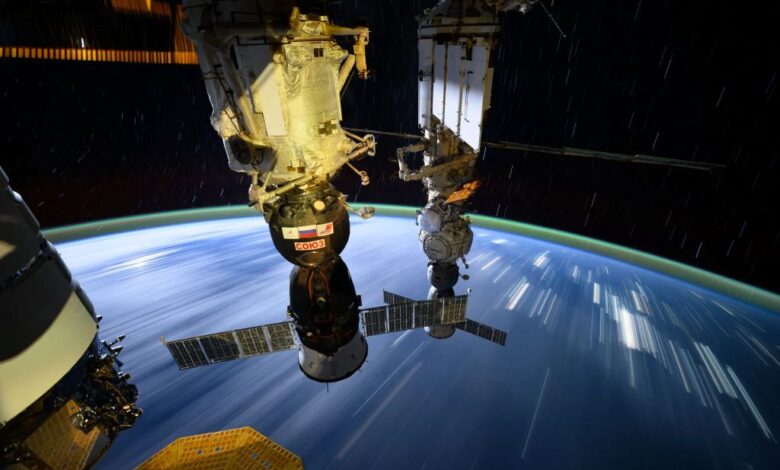
Space Station Trajectory Data
nternational Space Station trajectory data is now available to the public! This data, called an ephemeris, is generated by the ISS Trajectory Operations and Planning Officer (TOPO) flight controllers in the Mission Control Center at NASA’s Johnson Space Center. NASA is providing this information for use by the general public. iss071e650763 (Sept. 14, 2024) — The long exposure photograph taken…
Read More » -

How do I Spot The Station?
What does all this sighting information mean? SpotTheStation! Time: Wed Apr 25 7:45 PM, Visible: 4 min, Max Height: 66 degrees, Appears: WSW, Disappears NE.” Spot The station Download the App The International Space Station is seen in this 30 second exposure as it flies over Elkton, VA early in the morning, Saturday, August 1, 2015. NASA/Bill Ingalls Time is when the sighting opportunity…
Read More » -
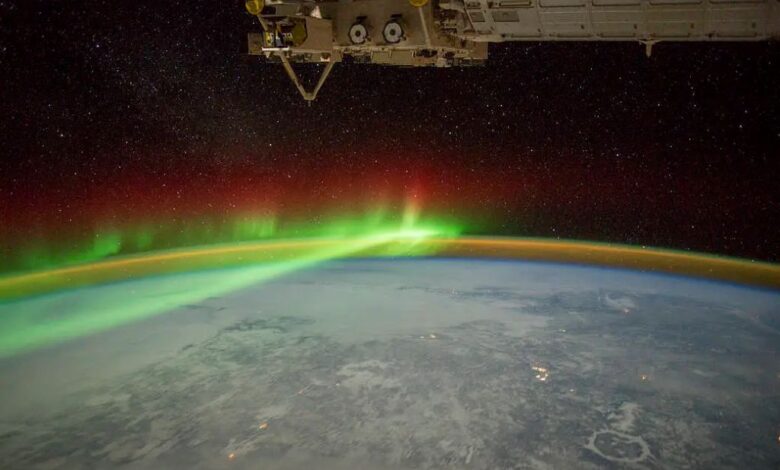
Spot the Station Frequently Asked Questions
Why is the space station up there? The space station is Earth’s only microgravity laboratory. This football field-sized platform hosts a plethora of science and technology experiments that are continuously being conducted by crew members, or are automated. Research aboard the orbiting laboratory holds benefits for life back on Earth, as well as for future space exploration. The space station…
Read More » -
NASA Flights Map Critical Minerals from Skies Above Western US
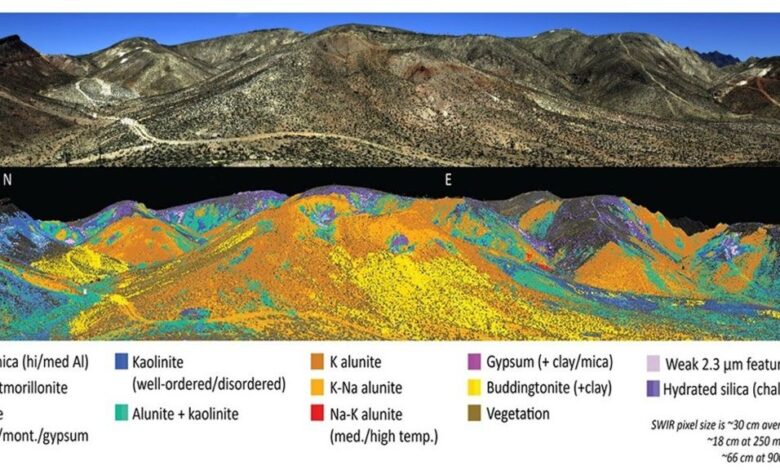
On a crystal-clear afternoon above a desert ghost town, a NASA aircraft scoured the ground for minerals. The plane, a high-altitude ER-2 research aircraft, had taken off early that morning from NASA’s Armstrong Flight Research Center in Edwards, California. Below pilot Dean Neeley, the landscape looked barren and brown. But to the optical sensors installed on the plane’s belly and wing, it…
Read More » -
FAQ: NASA’s Artemis Campaign and Recent Updates
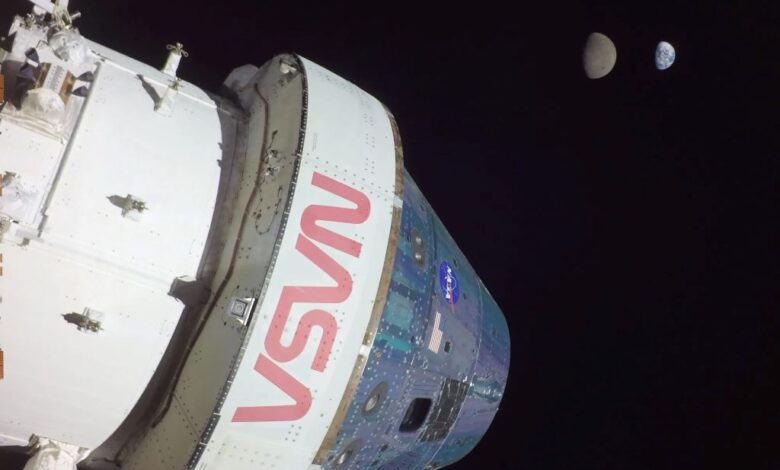
The Artemis II test flight will be NASA’s first mission with crew under the Artemis campaign and will pave the way to land astronauts on the Moon on Artemis III and future missions. The crew of four aboard the agency’s Orion spacecraft will travel around the Moon and back to confirm the spacecraft’s systems operate as designed with crew aboard…
Read More » -

NASA Identifies Cause of Artemis I Orion Heat Shield Char Loss
Lee esta historia en español aquí. After extensive analysis and testing, NASA has identified the technical cause of unexpected char loss across the Artemis I Orion spacecraft’s heat shield. Engineers determined as Orion was returning from its uncrewed mission around the Moon, gases generated inside the heat shield’s ablative outer material called Avcoat were not able to vent and dissipate as…
Read More »