
NASA
-
60 Years Ago: Lunar Landing Research Vehicle Takes Flight
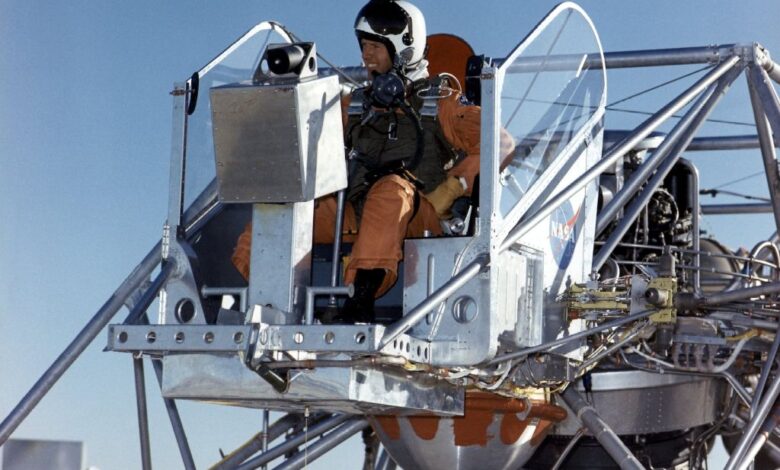
NASA pilot Joe Walker sits in the pilot’s platform of the Lunar Landing Research Vehicle (LLRV) number 1 on Oct. 30, 1964. The LLRV and its successor the Lunar Landing Training Vehicle (LLTV) provided the training tool to simulate the final 200 feet of the descent to the Moon’s surface. The LLRVs, humorously referred to as flying bedsteads, were used by NASA’s Flight Research Center,…
Read More » -

NASA’s Perseverance Captures ‘Googly Eye’ During Solar Eclipse
The tiny, potato-shaped moon Phobos, one of two Martian moons, cast a silhouette as it passed in front of the Sun, creating an eye in Mars’ sky. From its perch on the western wall of Mars’ Jezero Crater, NASA’s Perseverance rover recently spied a “googly eye” peering down from space. The pupil in this celestial gaze is the Martian moon…
Read More » -
NASA Brings Drone and Space Rover to Air Show
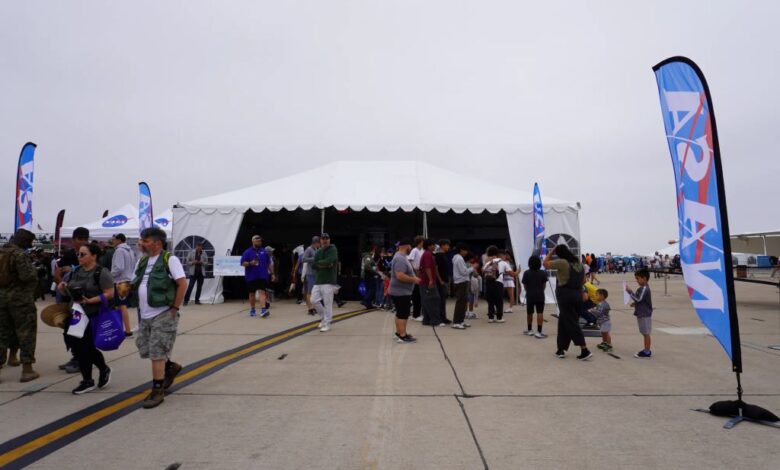
Lee esta historia en Español aquí. In September, the three NASA centers in California came together to share aerospace innovations with thousands of guests at the Miramar Air Show in San Diego, California. Agency experts talked about the exciting work NASA does while exploring the secrets of the universe for the benefit of all. Under a large tent near the airfield,…
Read More » -
NASA Sets Coverage for SpaceX 31st Station Resupply Launch, Arrival
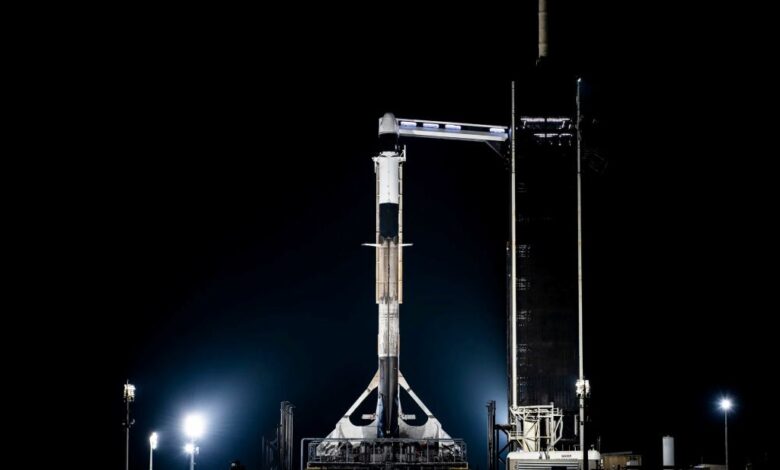
NASA and SpaceX are targeting 9:29 p.m. EST, Monday, Nov. 4, for the next launch to deliver science investigations, supplies, and equipment to the International Space Station. This is the 31st SpaceX commercial resupply services mission to the orbital laboratory for the agency. Filled with nearly 6,000 pounds of supplies, a SpaceX Dragon spacecraft on a Falcon 9 rocket will…
Read More » -
NASA, NOAA Rank 2024 Ozone Hole as 7th-Smallest Since Recovery Began
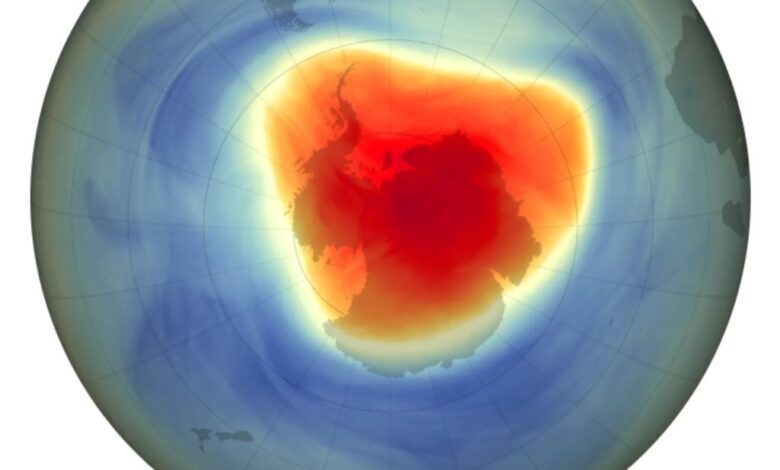
Healing continues in the atmosphere over the Antarctic: a hole that opens annually in the ozone layer over Earth’s southern pole was relatively small in 2024 compared to other years. Scientists with NASA and the National Oceanic and Atmospheric Administration (NOAA) project the ozone layer could fully recover by 2066. This map shows the size and shape of the ozone…
Read More » -
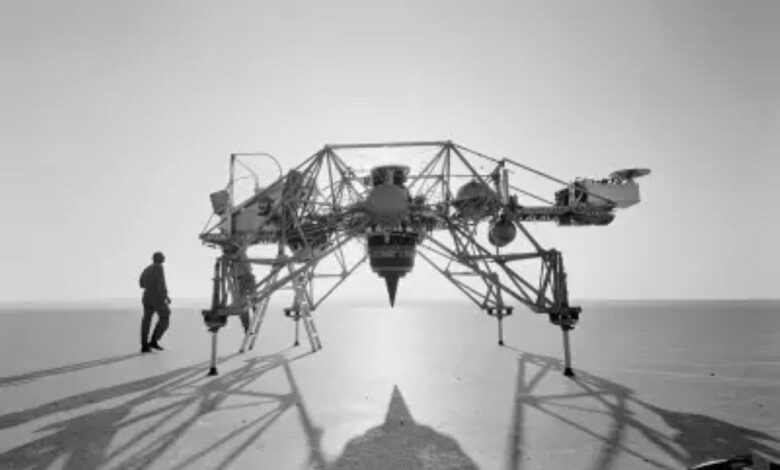
60 Years Ago: The First Flight of the Lunar Landing Research Vehicle
President John F. Kennedy’s national commitment to land a man on the Moon and return him safely to the Earth before the end of the decade posed multiple challenges, among them how to train astronauts to land on the Moon, a place with no atmosphere and one-sixth the gravity on Earth. The Lunar Landing Research Vehicle (LLRV) and its successor the Lunar Landing…
Read More » -
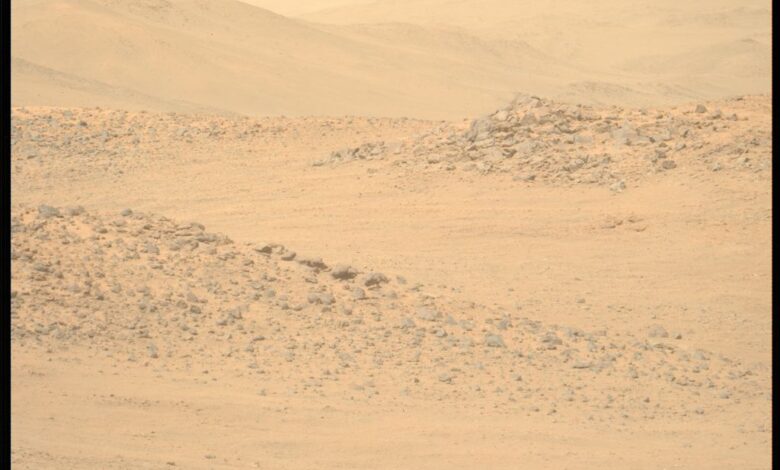
A Spooky Soliday: Haunting Whispers from the Martian Landscape
The Perseverance rover lurks in the quiet, cold, desolate landscape of Jezero crater on Mars, a place masked in shadows and haunted by past mysteries. Built to endure the planet’s harsh conditions, Perseverance braves the thin atmosphere and extreme temperature swings. Its microphone captures the eerie whispers of martian winds, sending shivers down your spine, and records ghostly dust devils…
Read More » -
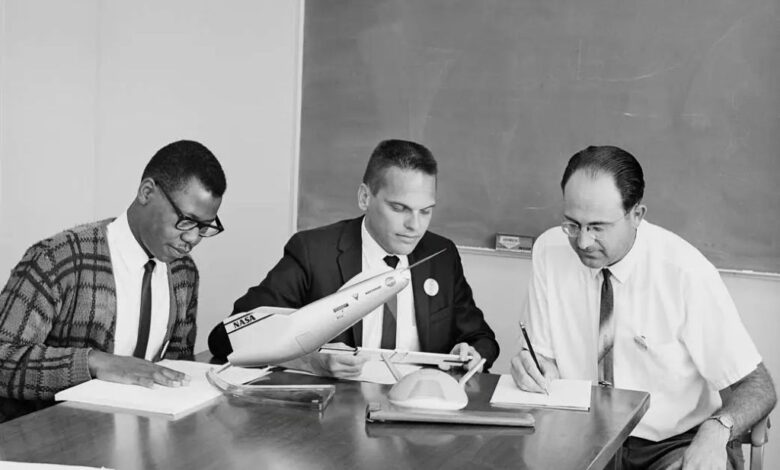
Ken Iliff: Engineering 40 Years of Success
Editor’s note: This article was published May 23, 2003, in NASA Armstrong’s X-Press newsletter. NASA’s Dryden Flight Research Center in Edwards, California, was redesignated Armstrong Flight Research Center on March 1, 2014. Ken Iliff was inducted into the National Hall of Fame for Persons with Disabilities in 1987. He died Jan. 4, 2016. Alphonso Stewart, from left, Ken Iliff, and Dale…
Read More » -
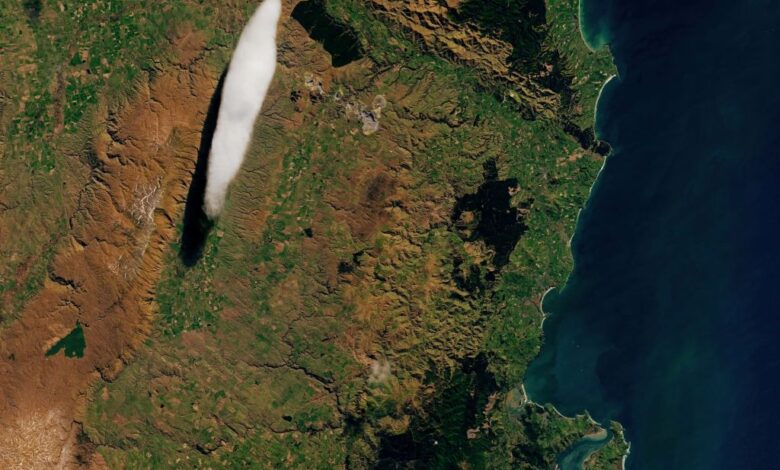
A Particular Lenticular Cloud
Landsat 8’s Operational Land Imager acquired this image of an elongated lenticular cloud, locally nicknamed the “Taieri Pet,” above New Zealand’s South Island on Sept. 7, 2024. Lenticular clouds form when prevailing winds encounter a topographic barrier, such as a mountain range. Wind that is forced to flow up and over the mountains creates a kind of wave in the atmosphere.…
Read More » -
Carissa Arillo: Testing Spacecraft, Penning the Owner’s Manuals
Flight operations engineer Carissa Arillo helped ensure one of the instruments on NASA’s PACE mission made it successfully through its prelaunch testing. She and her group also documented the work rigorously, to ensure the flight team had a comprehensive manual to keep this Earth-observing satellite in good health for the duration of its mission. Carissa M. Arillo is a flight…
Read More »