
NASA
-
Astro Campers SCoPE Out New Worlds
Teachers at Smokey Mountain Elementary School have collaborated with the NASA Science Activation (SciAct) program’s Smoky Mountains STEM (Science, Technology, Engineering, and Mathematics) Collaborative (SMSC) and project coordinator, Randi Neff, to create a summer camp for students who are passionate about STEM topics. What started as a small summer camp has since evolved into Astro Camp, a two-week community program…
Read More » -
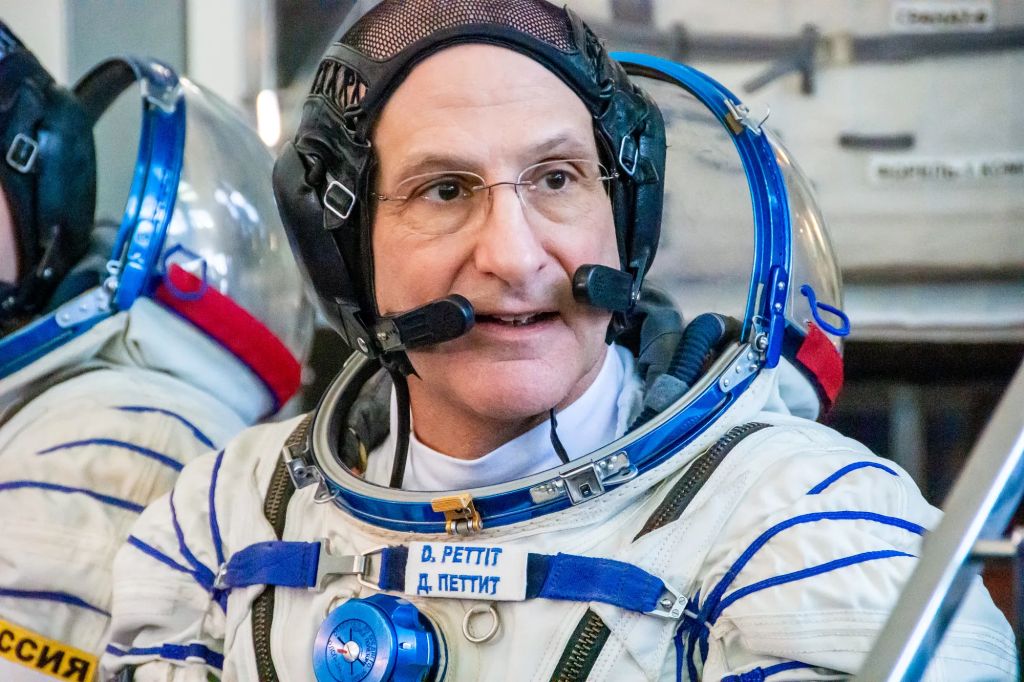
NASA Hosts Astronaut Don Pettit Prelaunch Interviews
NASA astronaut Don Pettit is available for limited interview opportunities beginning at 10 a.m. EDT, Friday, Aug. 16, to discuss his upcoming mission to the International Space Station in September. The virtual interviews will stream live on NASA+, NASA Television, the NASA app, and the agency’s website. Learn how to stream NASA+ through a variety of platforms including social media. Interested media must submit a…
Read More » -
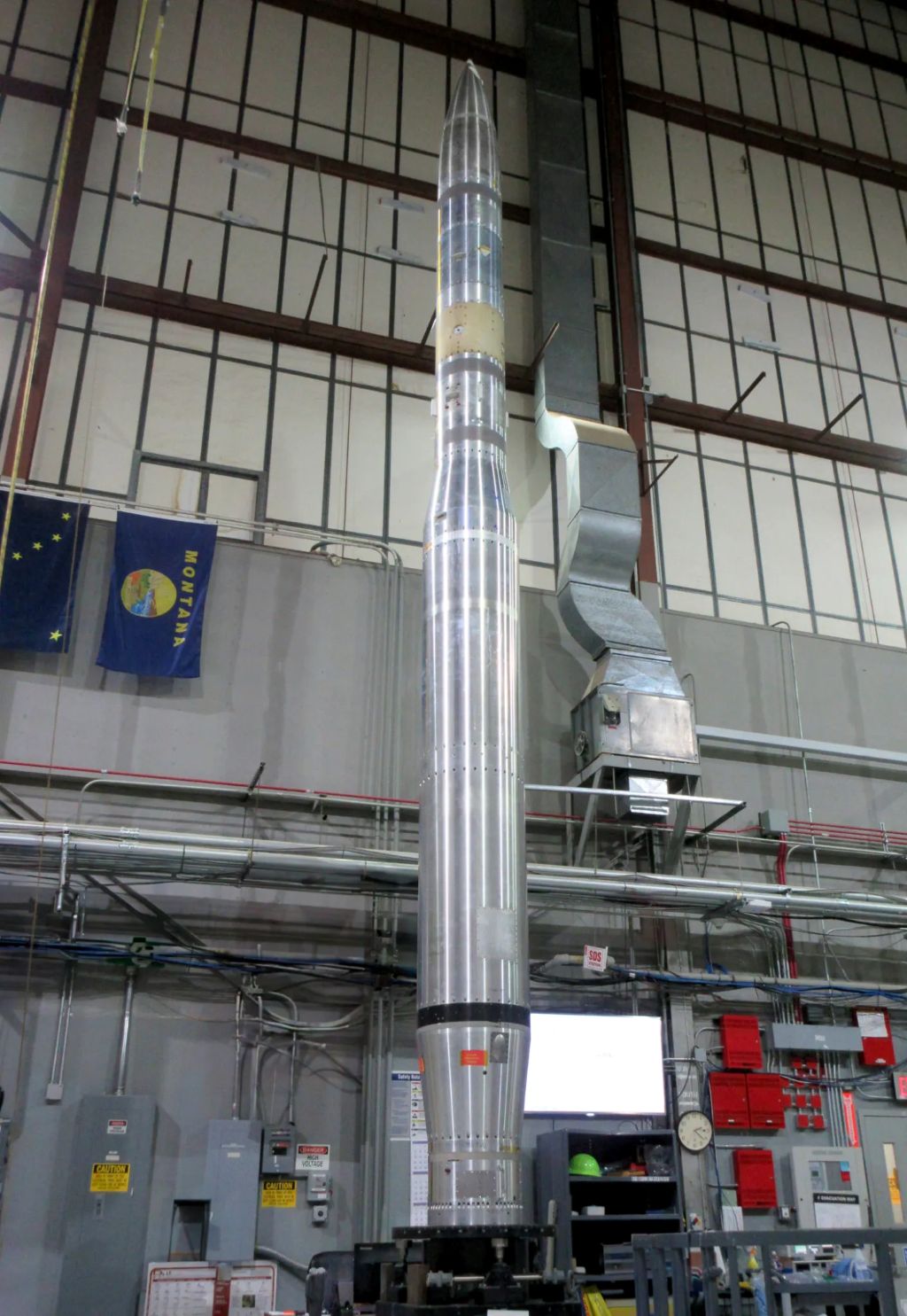
A ‘FURST’ of its Kind: Sounding Rocket Mission to Study Sun as a Star
By Jessica Barnett From Earth, one might be tempted to view the Sun as a unique celestial object like no other, as it’s the star our home planet orbits and the one our planet relies on most for heat and light. But if you took a step back and compared the Sun to the other stars NASA has studied over…
Read More » -
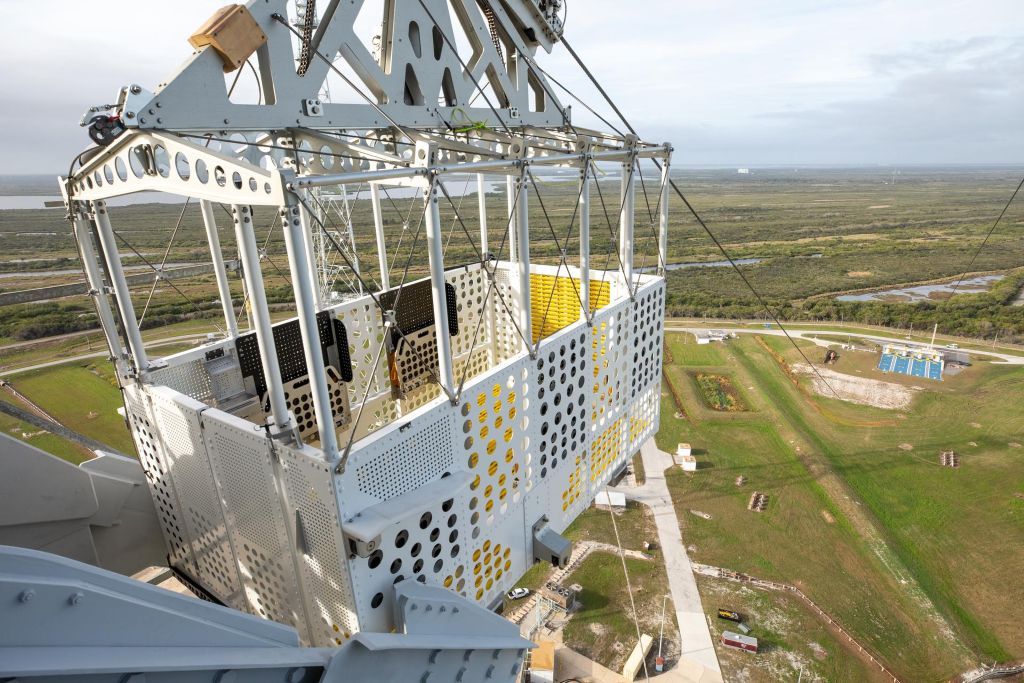
NASA Teams Change Brakes to Keep Artemis Crew Safe
Recently, teams with NASA’s Exploration Ground Systems (EGS) Program at the agency’s Kennedy Space Center met with engineering teams at a central Florida amusement park to share knowledge on a new braking system NASA is using for its launch pad emergency egress system for Artemis missions. “We have a new magnetic braking system for the Artemis emergency egress system and NASA hasn’t…
Read More » -
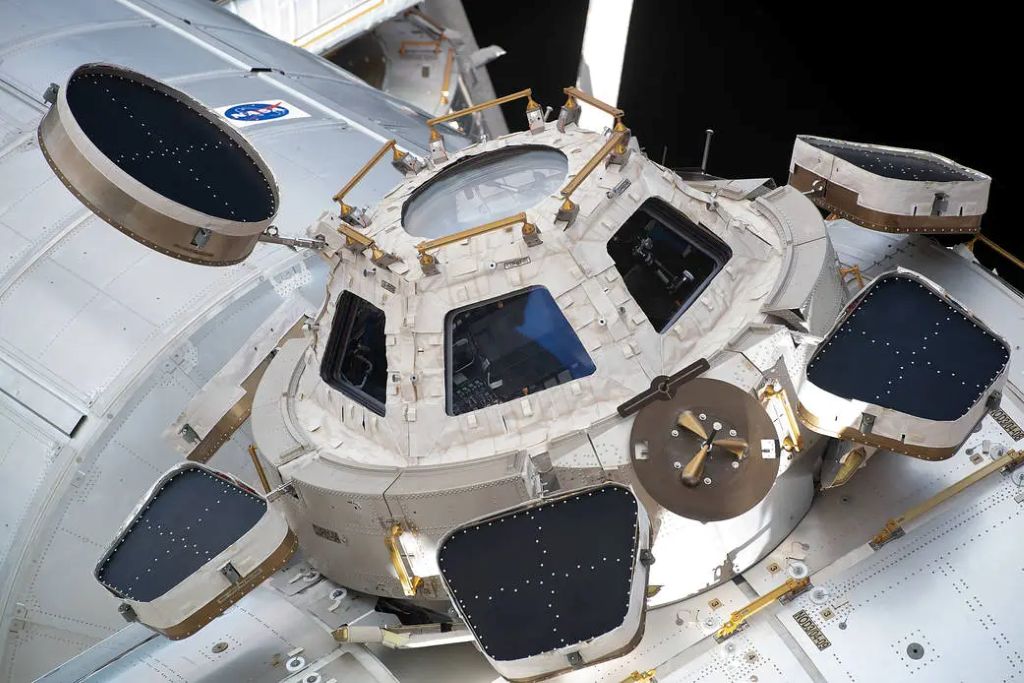
The International Space Station’s “window to the world”
The cupola is a small module designed for the observation of operations outside the station such as robotic activities, the approach of vehicles, and spacewalks. Its six side windows and a direct nadir viewing window provide spectacular views of Earth and celestial objects. The windows are equipped with shutters to protect them from contamination and collisions with orbital debris or…
Read More » -
Regina Caputo Charts the Future of High-Energy Astrophysics
Research astrophysicist Regina Caputo puzzles out how the universe works by studying the most extreme events in the cosmos. Name: Regina CaputoTitle: Research Astrophysicist Organization: Astroparticle Physics Laboratory (Code 661) Regina Caputo is a research astrophysicist at NASA’s Goddard Space Flight Center in Greenbelt, Md. She focuses on technology development and support for gamma-ray telescopes. Photo credit: NASA/David Friedlander What do you do and…
Read More » -
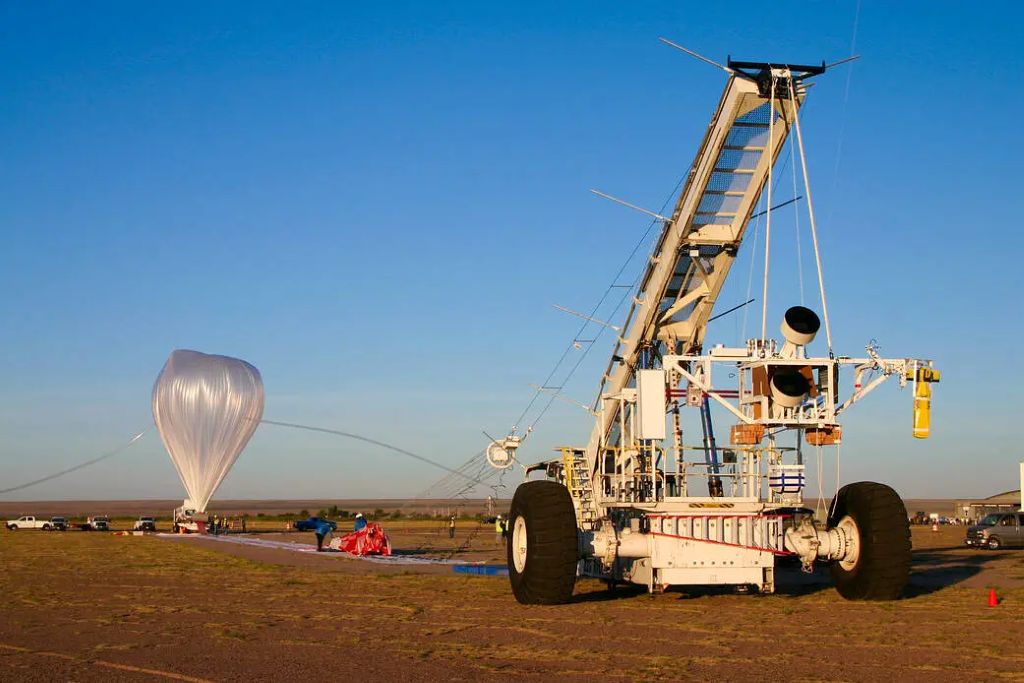
NASA to Launch 8 Scientific Balloons From New Mexico
NASA’s Scientific Balloon Program has kicked off its annual fall balloon campaign at the agency’s balloon launch facility in Fort Sumner, New Mexico. Eight balloon flights carrying scientific experiments and technology demonstrations are scheduled to launch from mid-August through mid-October. The flights will support 16 missions, including investigations in the fields of astrophysics, heliophysics, and atmospheric research. “The annual Fort…
Read More » -
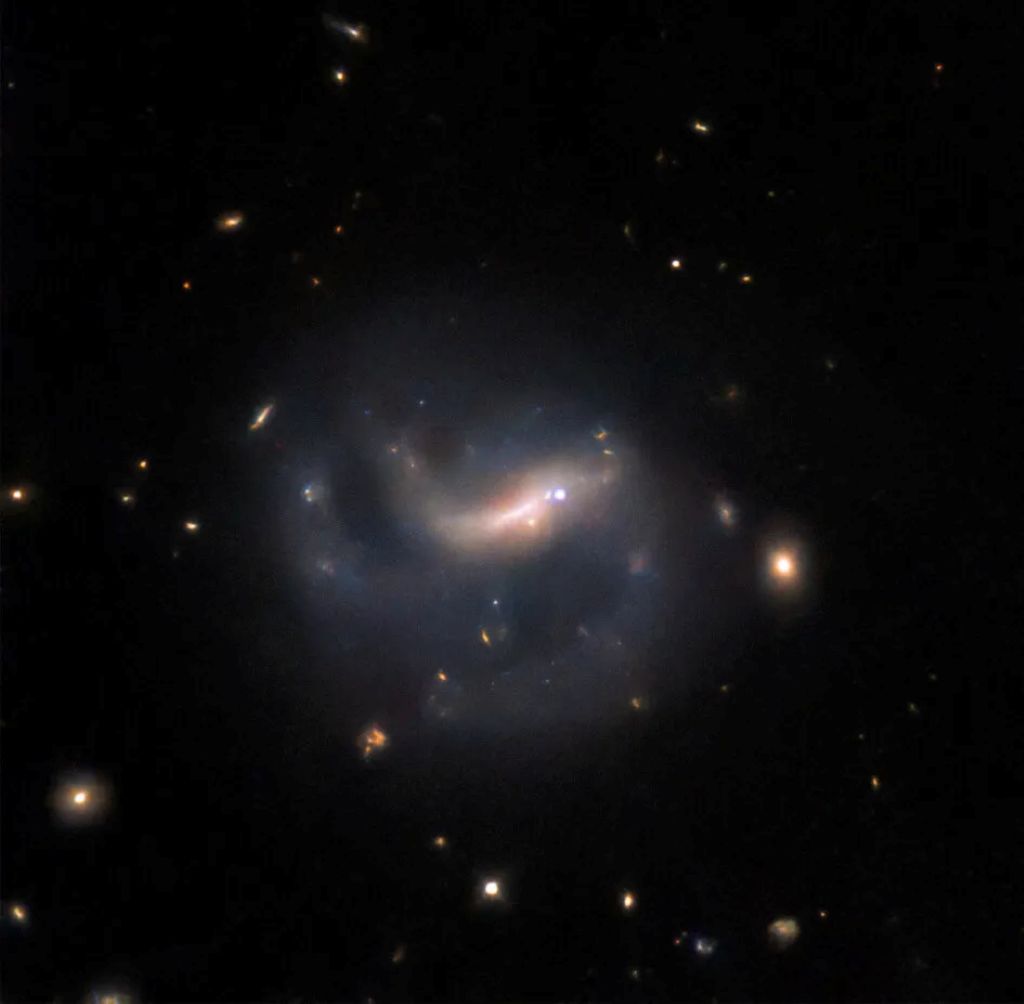
Hubble Spotlights a Supernova
This NASA/ESA Hubble Space Telescope image features the galaxy LEDA 857074, located in the constellation Eridanus. LEDA 857074 is a barred spiral galaxy, with partially broken spiral arms. The image also captured a supernova, named SN 2022ADQZ, shining brightly on the right side of the galaxy’s bar. Several evolutionary paths can lead to a supernova explosion. One is the death of a…
Read More » -
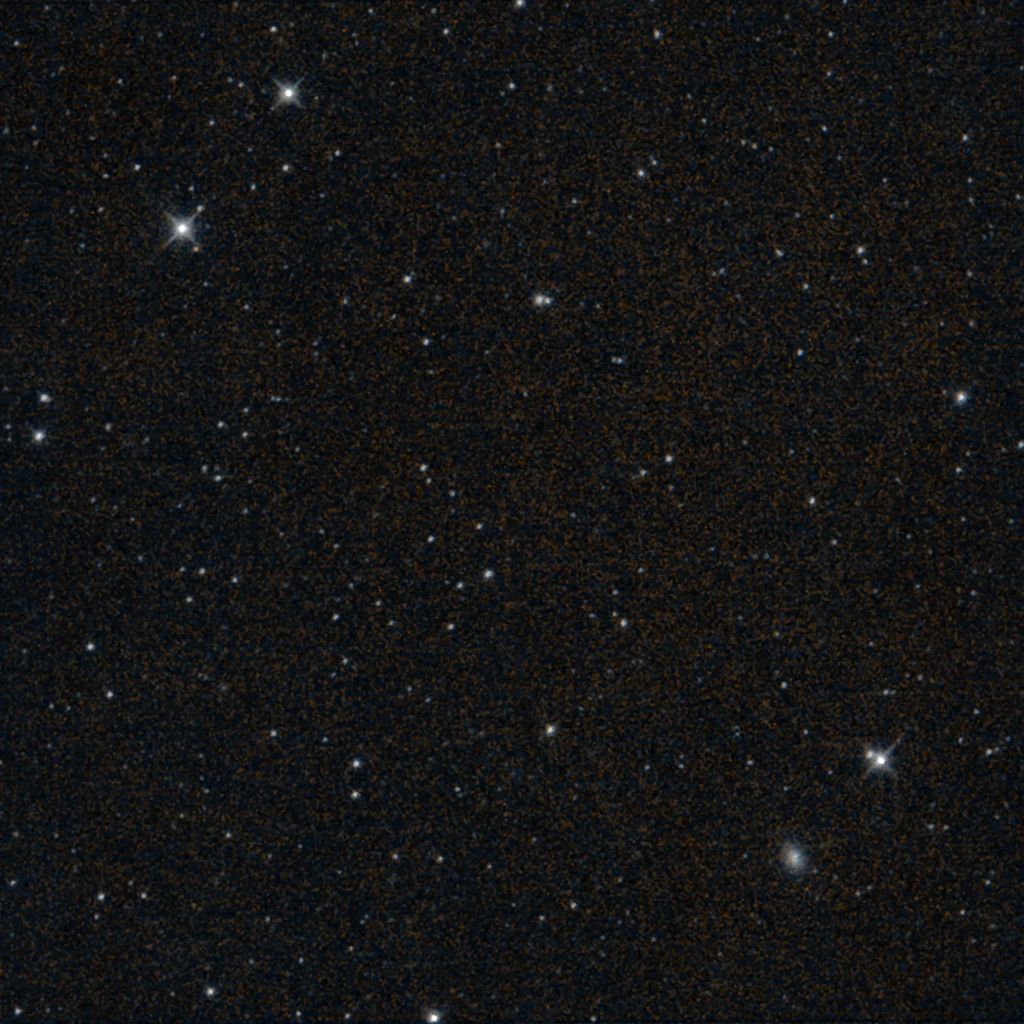
NASA Mission Concludes After Years of Successful Asteroid Detections
Engineers on NASA’s NEOWISE (Near-Earth Object Wide-field Infrared Survey Explorer) mission commanded the spacecraft to turn its transmitter off for the last time Thursday. This concludes more than 10 years of its planetary defense mission to search for asteroids and comets, including those that could pose a threat to Earth. The final command was sent from the Earth Orbiting Missions…
Read More » -
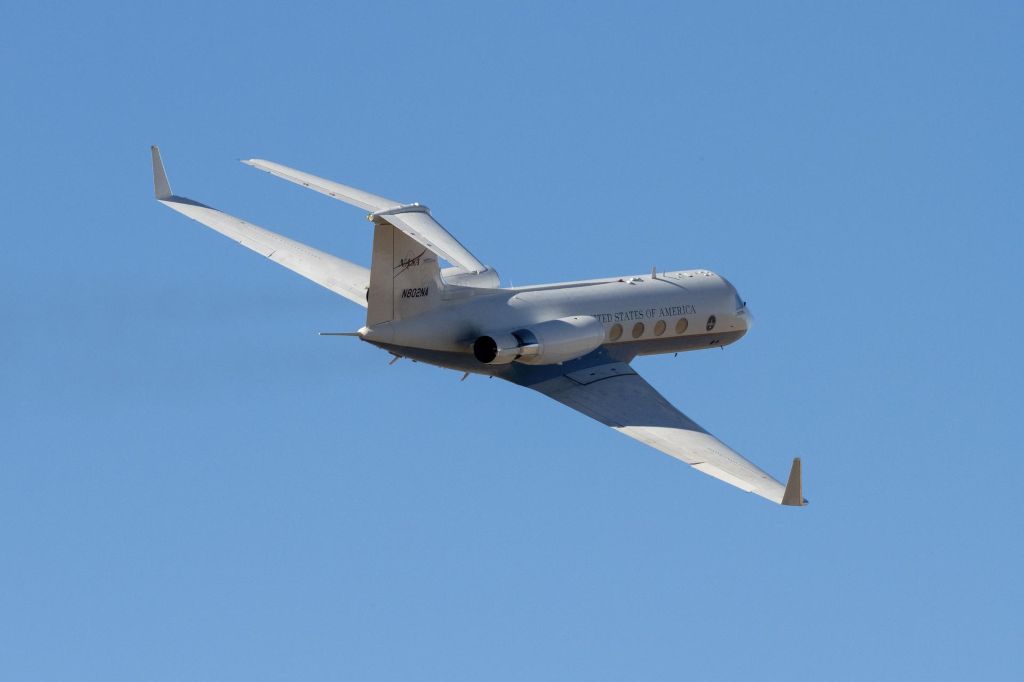
NASA Aircraft Gathers 150 Hours of Data to Better Understand Earth
Operating internationally over several countries this summer, NASA’S C-20A aircraft completed more than 150 hours of science flights across two months in support of Earth science research and overcame several challenges throughout its missions. Based at NASA’s Armstrong Flight Research in Edwards, California, the C-20A research aircraft has been modified to support the Uninhabited Aerial Vehicle Synthetic Aperture Radar and SAR-fusion camera.…
Read More »