
NASA
-
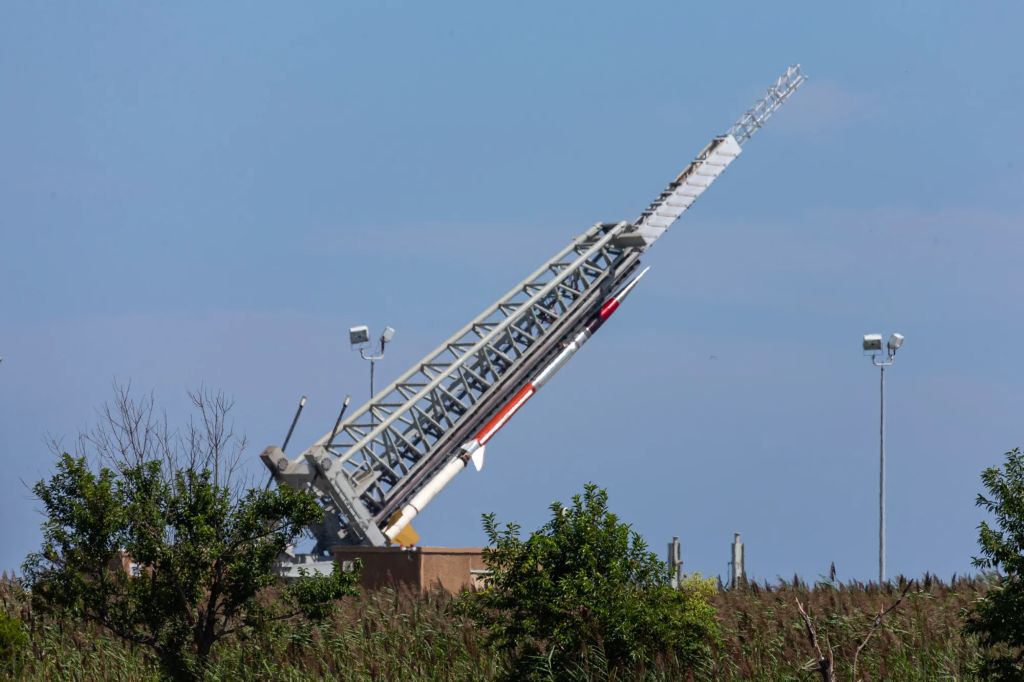
This Rocks! NASA is Sending Student Science to Space
NASA’s Wallops Flight Facility in Virginia is scheduled to launch a sounding rocket carrying student-developed experiments for the RockSat-X mission on Tuesday, Aug. 13. The Terrier-Improved Malemute rocket is expected to reach an altitude of about 100 miles (162 kilometers) before descending by parachute into the Atlantic Ocean to be recovered. The launch window for the mission is 6 a.m.…
Read More » -

Interior of Vacuum Tank at the Electric Propulsion Laboratory
Interior of the 20-foot diameter vacuum tank at the NASA Lewis Research Center’s Electric Propulsion Laboratory. The Electric Propulsion Laboratory, which began operation in 1961, contained two large vacuum tanks capable of simulating a space environment. The tanks were designed especially for testing ion and plasma thrusters and spacecraft. The larger 25-foot diameter tank included a 10-foot diameter test compartment to…
Read More » -

Calling All Innovators: Apply for NASA’s 2025 Lunabotics Challenge
NASA invites teams from colleges, universities, as well as technical and vocational schools around the country to test their engineering skills in the 2025 Lunabotics Challenge. Applications open at 5 p.m. EDT on Friday, Sept. 6. The competition is aimed at inspiring Artemis Generation students to explore science, technology, engineering, and math (STEM) for the benefit of humanity. Managed by…
Read More » -
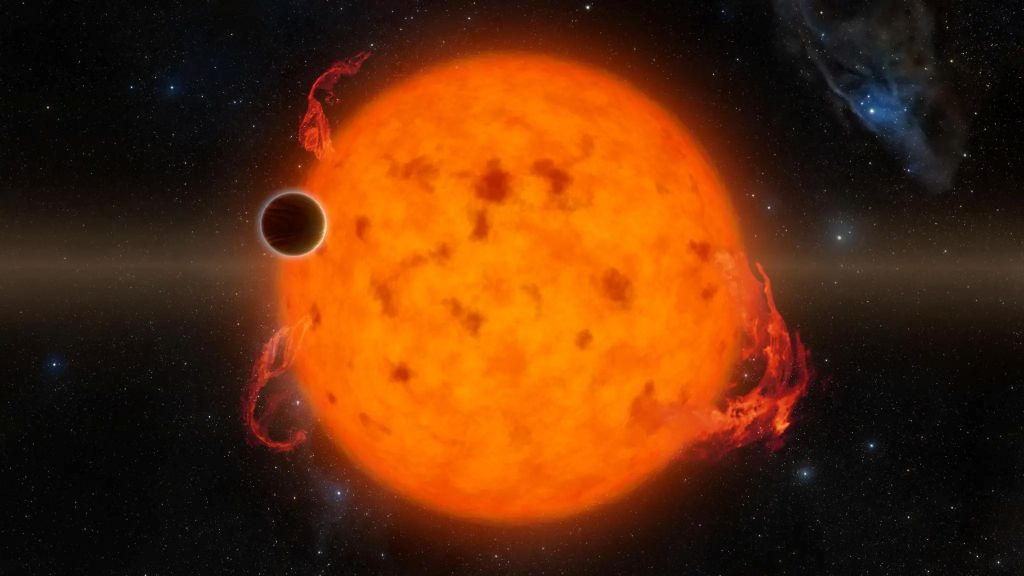
How NASA Citizen Science Fuels Future Exoplanet Research
NASA’s upcoming flagship astrophysics missions, the Nancy Grace Roman Space Telescope and the Habitable Worlds Observatory, will study planets outside our solar system, known as exoplanets. Over 5,000 exoplanets have been confirmed to date — and given that scientists estimate at least one exoplanet exists for every star in the sky, the hunt has just begun. Exoplanet discoveries from Roman and the Habitable Worlds…
Read More » -
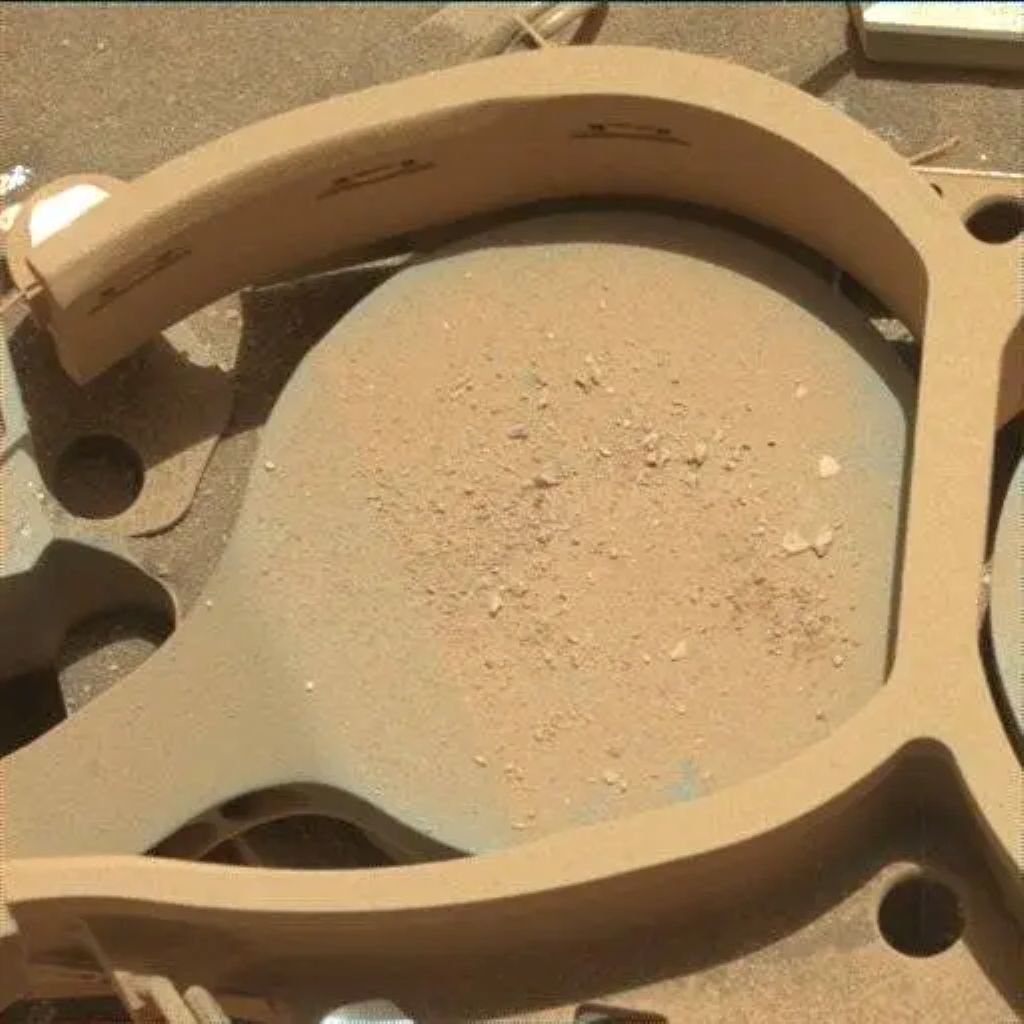
Sols 4266-4267: Happy ‘Landiversary,’ Curiosity
Earth planning date: Monday, Aug. 5, 2024 After the usual morning routine of doing some engineering housekeeping, Curiosity continues to take some remote science observations. We take a ChemCam LIBS observation and a Mastcam image of the “Peeler Lake” target, a dark, nodular target that appears to be more erosion-resistant than nearby rocks. By comparing Peeler Lake to “Kings Canyon” (which also…
Read More » -

Here’s How Curiosity’s Sky Crane Changed the Way NASA Explores Mars
Twelve years ago, NASA landed its six-wheeled science lab using a daring new technology that lowers the rover using a robotic jetpack. NASA’s Curiosity rover mission is celebrating a dozen years on the Red Planet, where the six-wheeled scientist continues to make big discoveries as it inches up the foothills of a Martian mountain. Just landing successfully on Mars is a feat,…
Read More » -

NASA Optical Navigation Tech Could Streamline Planetary Exploration
As astronauts and rovers explore uncharted worlds, finding new ways of navigating these bodies is essential in the absence of traditional navigation systems like GPS. Optical navigation relying on data from cameras and other sensors can help spacecraft — and in some cases, astronauts themselves — find their way in areas that would be difficult to navigate with the naked…
Read More » -

Carving Canyons
Erosion, tectonic uplift, and a human-built dam have all helped shape the Upper Lake Powell area in Utah. This astronaut photograph was acquired on July 28, 2023, with a Nikon D5 digital camera using a focal length of 1,150 millimeters. It is provided by the ISS Crew Earth Observations Facility and the Earth Science and Remote Sensing Unit, Johnson Space…
Read More » -
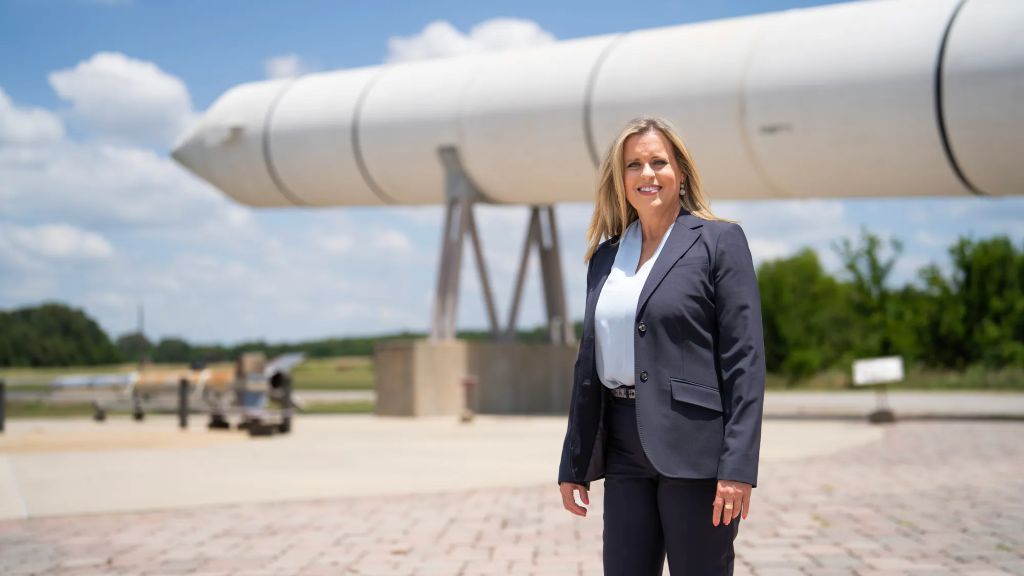
I Am Artemis: Julia Khodabandeh
Unlike most of her friends in the 80s who covered their walls with posters of bands, Julia Khodabandeh plastered hers with posters of rockets and fighter jets. Khodabandeh’s interest in aerospace and aeronautics developed at a young age. Her parents were avid fans of the Apollo Program and were heavily invested in her education. Khodabandeh’s father always encouraged her to…
Read More » -
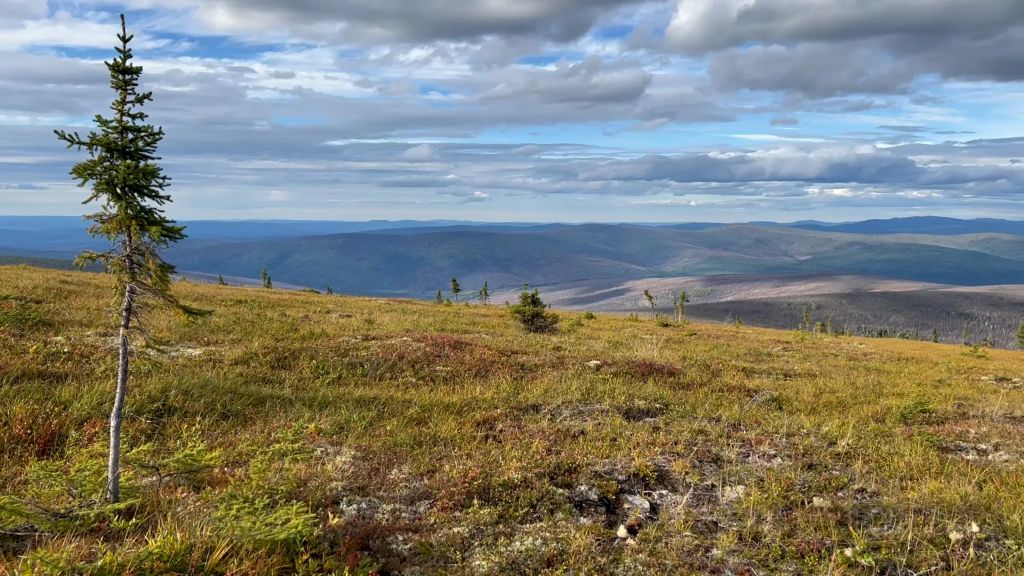
Tundra Vegetation to Grow Taller, Greener Through 2100, NASA Study Finds
Warming global climate is changing the vegetation structure of forests in the far north. It’s a trend that will continue at least through the end of this century, according to NASA researchers. The change in forest structure could absorb more of the greenhouse gas carbon dioxide (CO2) from the atmosphere, or increase permafrost thawing, resulting in the release of ancient…
Read More »