
NASA
-
Sols 4259-4260: Kings Canyon Go Again!
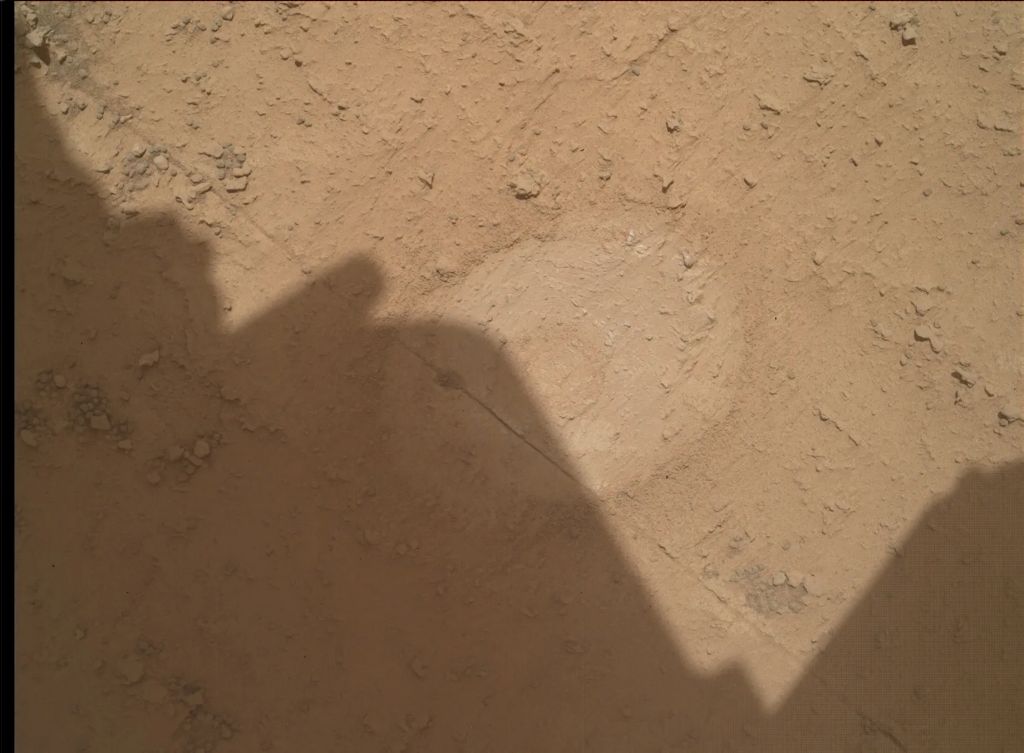
Earth planning date: Monday, July 29, 2024 Our weekend drill preload test on the target “Kings Canyon” (shown in the accompanying MAHLI image) didn’t give us the full range of data we need to move forward with the full drilling process. This coming Wednesday, we hope to rerun our preload test on Kings Canyon or somewhere very similar on the same…
Read More » -
GLOBE Alumna and Youth for Habitat Program Lead Named Scientist of the Month in Alaska
As a 16-year old high school graduate, Maggie House decided to leave the military base in Germany where she lived with her family and go to college close to nature in Fairbanks, Alaska. She had lived in many countries and US states and knew she was ready. At the University of Alaska Fairbanks Troth Yeddha’ campus in Fall 2022, Maggie…
Read More » -
NASA Sets Coverage for Northrop Grumman’s 21st Station Resupply Launch
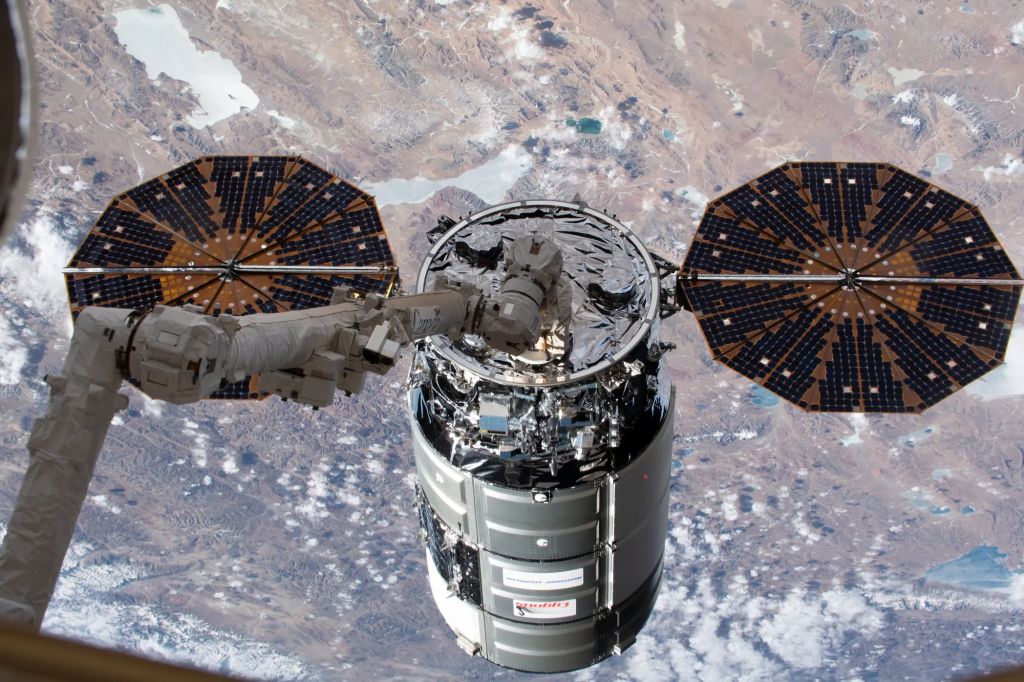
NASA, Northrop Grumman, and SpaceX are targeting 11:28 a.m. EDT on Saturday, Aug. 3, for the next launch to deliver science investigations, supplies, and equipment to the International Space Station. This launch is the 21st Northrop Grumman commercial resupply services mission to the orbital laboratory for the agency. NASA’s live launch coverage will begin at 11:10 a.m. on NASA+, NASA Television,…
Read More » -

Ames Science Directorate’s Stars of the Month, July 2024
The NASA Ames Science Directorate recognizes the outstanding contributions of (pictured left to right) Ryan T. Scott, Mike Kubo, Ehsan (Sam) Gharib-Nezhad, and Kristen Okorn. Their commitment to the NASA mission represents the talent, camaraderie, and vision needed to explore this world and beyond. Space Biosciences Star: Ryan T. Scott Ryan Scott, a Space Biosciences Research Branch (SCR) scientist, serves…
Read More » -
NASA’s DART Mission Sheds New Light on Target Binary Asteroid System
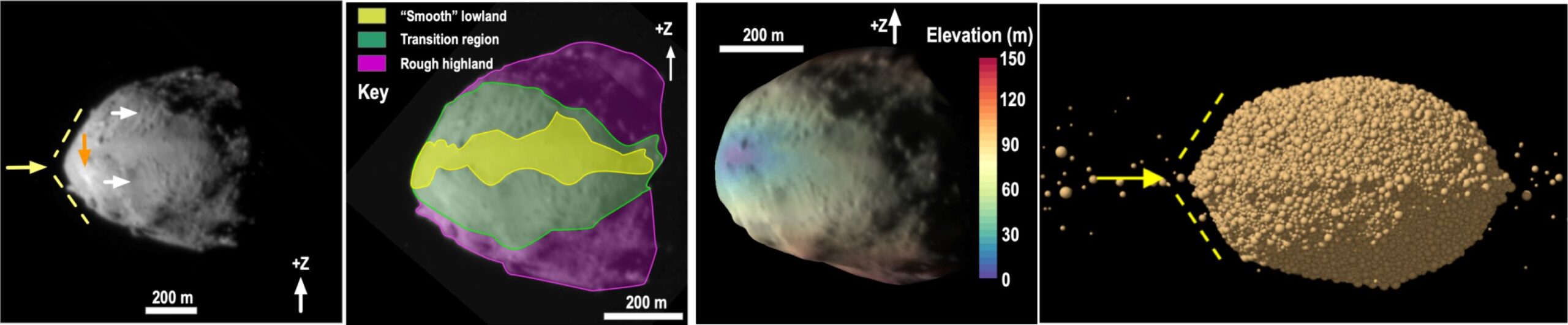
The various geological features observed on Didymos helped researchers tell the story of Didymos’ origins. The asteroid’s triangular ridge (first panel from left), and the so-called smooth region, and its likely older, rougher “highland” region (second panel from left) can be explained through a combination of slope processes controlled by elevation (third panel from left). The fourth panel shows the…
Read More » -
Sols 4257-4258: A Little Nudge on Kings Canyon
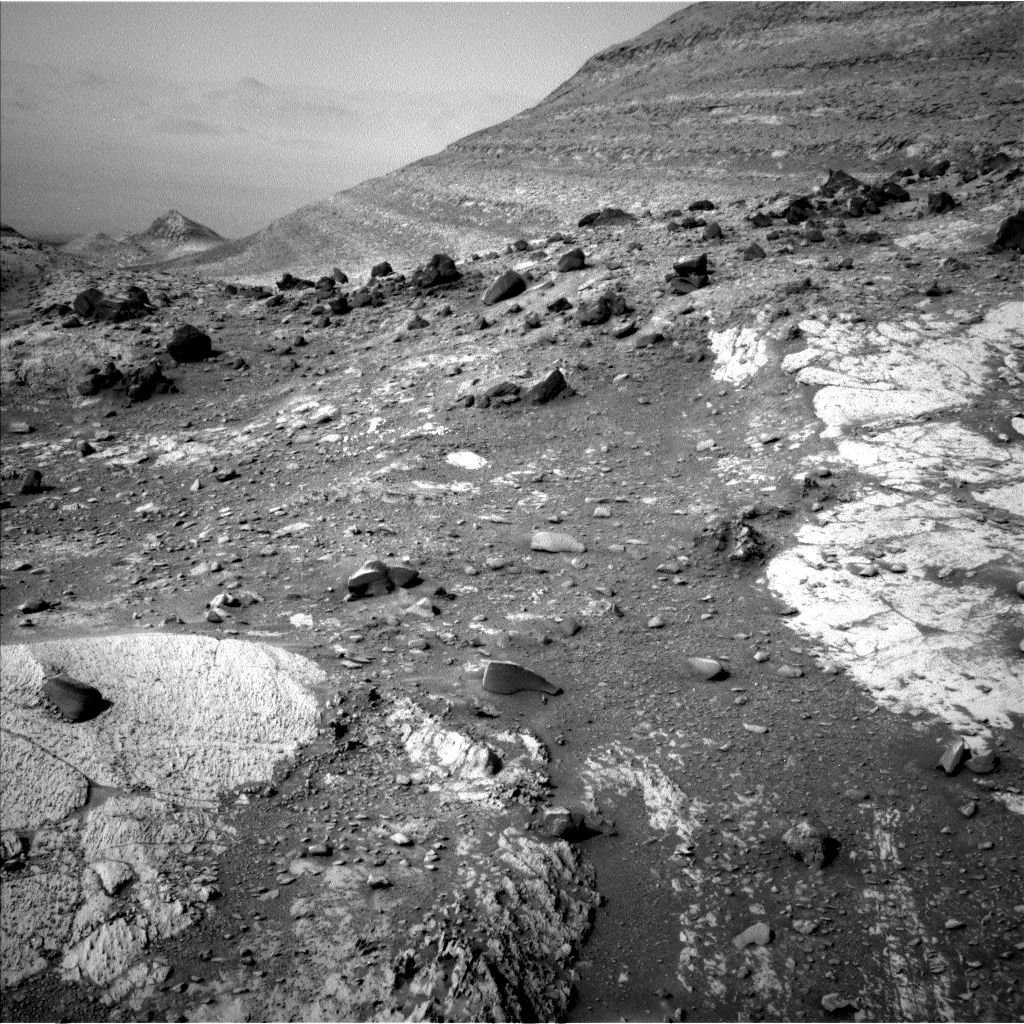
Earth planning date: Friday, July 26, 2024 Today’s 2-sol weekend plan is our first taste of a new location for a potential sampling campaign. We call today’s plan type: Drill Sol 1 – triage contact science. We arrived this morning to a lovely new workspace. The science team has been eagerly observing these lighter-toned rocks first from orbital data, then…
Read More » -
NASA to Highlight 13th Space Station Research, Development Conference
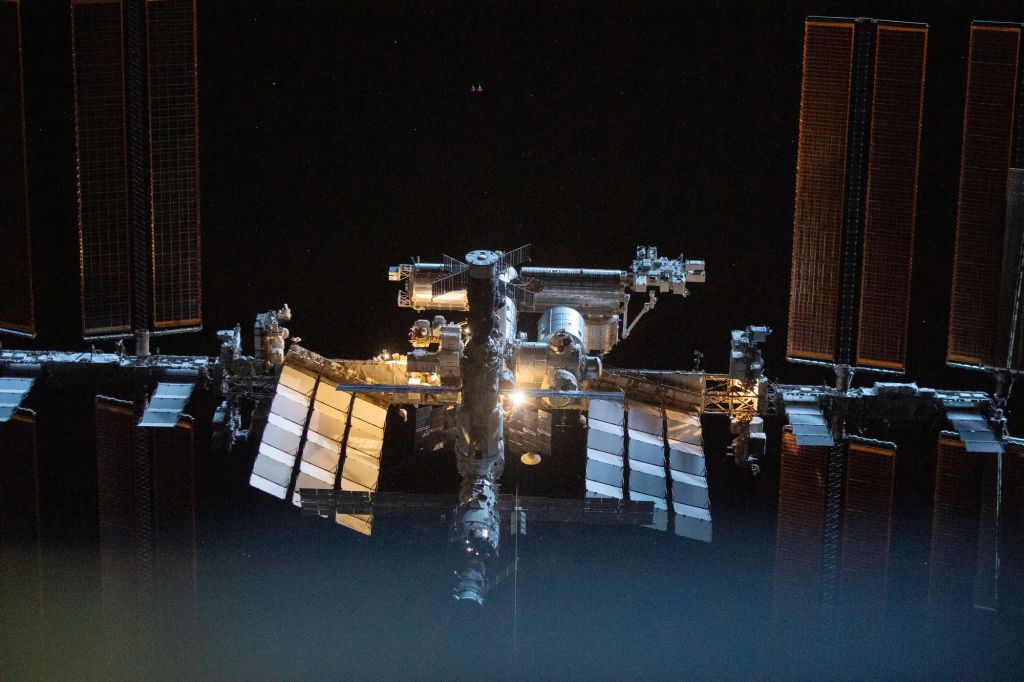
Editor’s Note: This media advisory was updated on July 29, 2024 to reflect the updated times for the Low Earth Orbit panel on Wednesday, July 31 and the keynote address on Thursday, Aug. 1. NASA will broadcast groundbreaking discoveries, benefits for humanity, and how the agency and its commercial and international partners are maximizing research and development in orbit from…
Read More » -
Sols 4255-4256: Just Passing Through
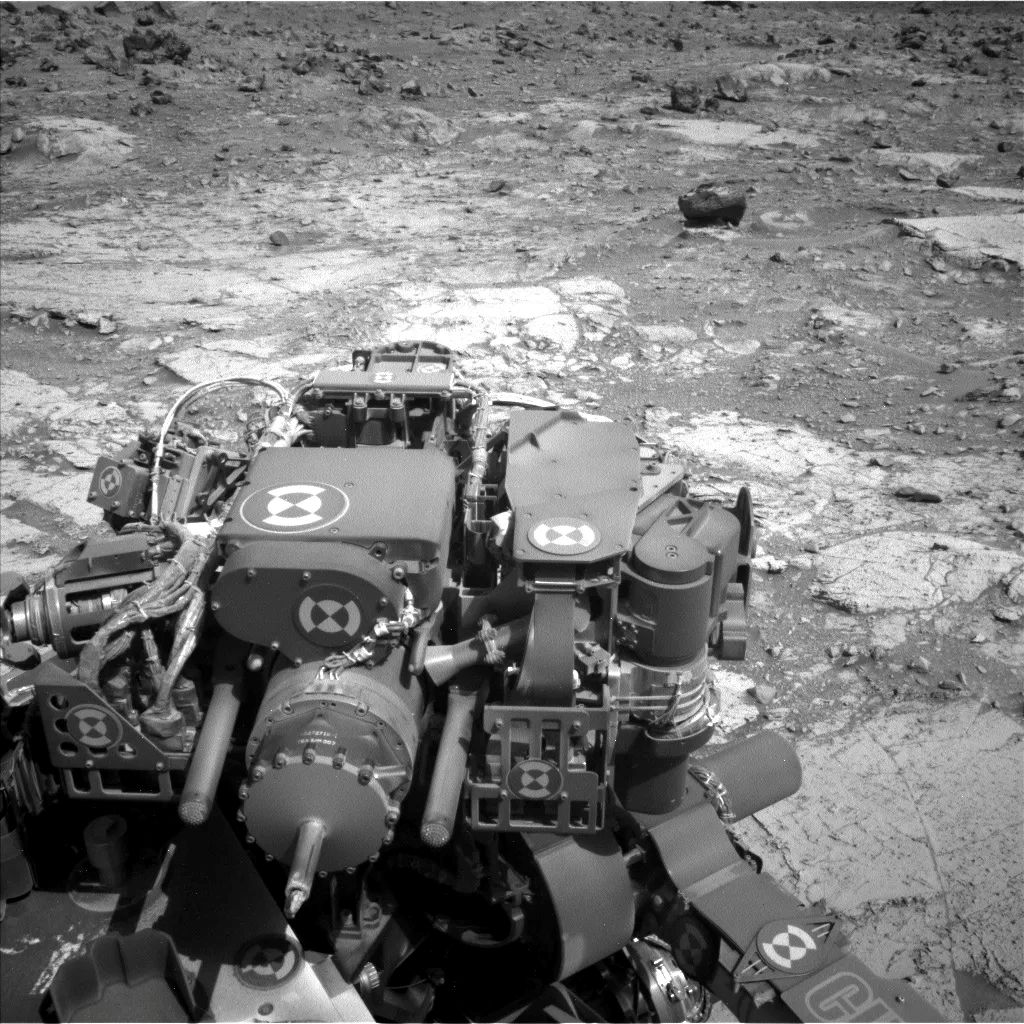
Earth planning date: Wednesday, July 24, 2024 Happy Wednesday, terrestrials! We wrapped up our Mammoth Lakes drill campaign only three weeks ago and are already looking for our next drill site. This will be the last drill campaign in the Gediz Vallis region, an area on Mars the Curiosity team has had their eyes on since sol 0, just under 12 years ago!…
Read More » -
60 Years Ago: Ranger 7 Photographs the Moon
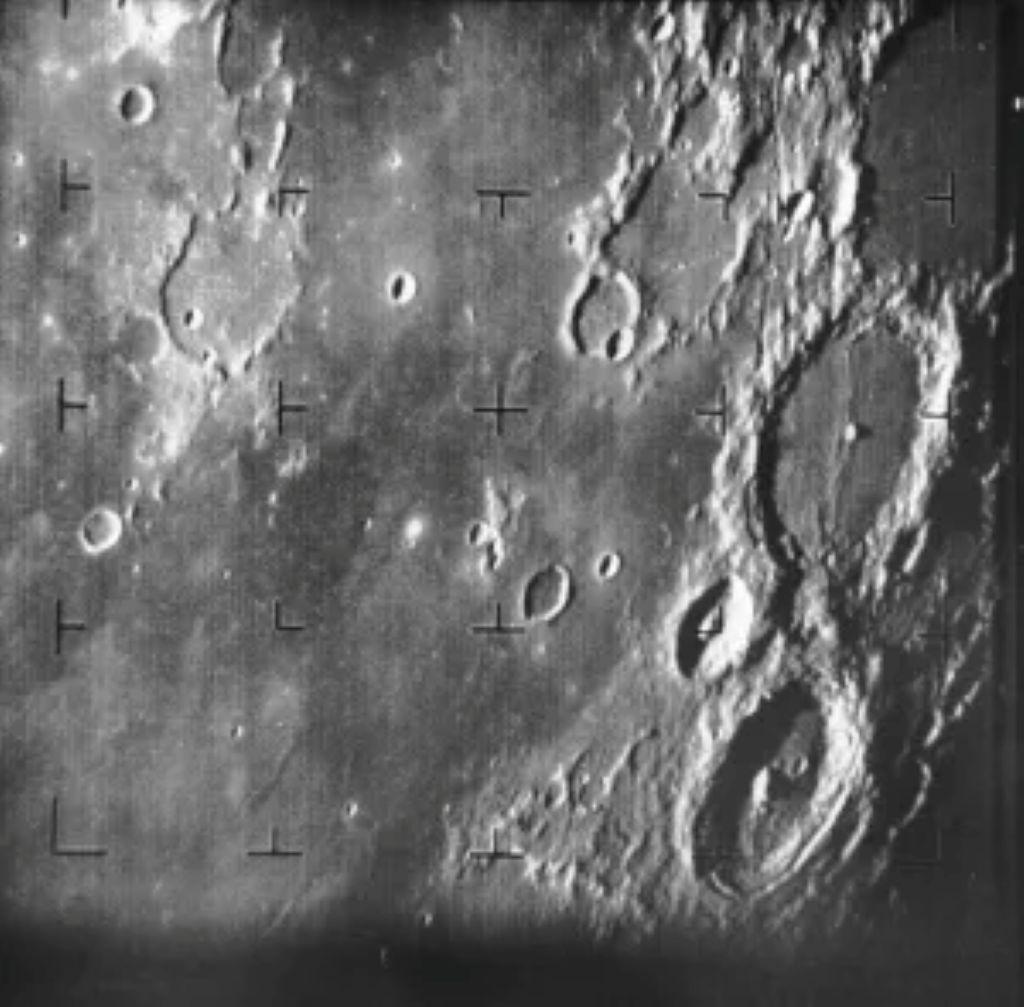
Long before Apollo astronauts set foot upon the Moon, much remained unknown about the lunar surface. While most scientists believed the Moon had a solid surface that would support astronauts and their landing craft, some believed a deep layer of dust covered it that would swallow any visitors. Until 1964, no closeup photographs of the lunar surface existed, only those…
Read More » -
NASA Embraces Streaming Service to Reach, Inspire Artemis Generation
As part of its ongoing web and television modernization efforts, NASA is shifting its digital focus to its on-demand streaming service, NASA+, which has already gained four times more viewership than the agency’s traditional cable channel. To streamline how it brings the latest aeronautics, human spaceflight, science, and technology news to the universe, the agency also is preparing to phase…
Read More »