
NASA
-

25 Years On, Chandra Highlights Legacy of NASA Engineering Ingenuity
By Rick Smith “The art of aerospace engineering is a matter of seeing around corners,” said NASA thermal analyst Jodi Turk. In the case of NASA’s Chandra X-ray Observatory, marking its 25th anniversary in space this year, some of those corners proved to be as far as 80,000 miles away and a quarter-century in the future. Turk is part of a…
Read More » -
NASA Wallops to Support Sounding Rocket Launch for U.S. Navy Fleet Training
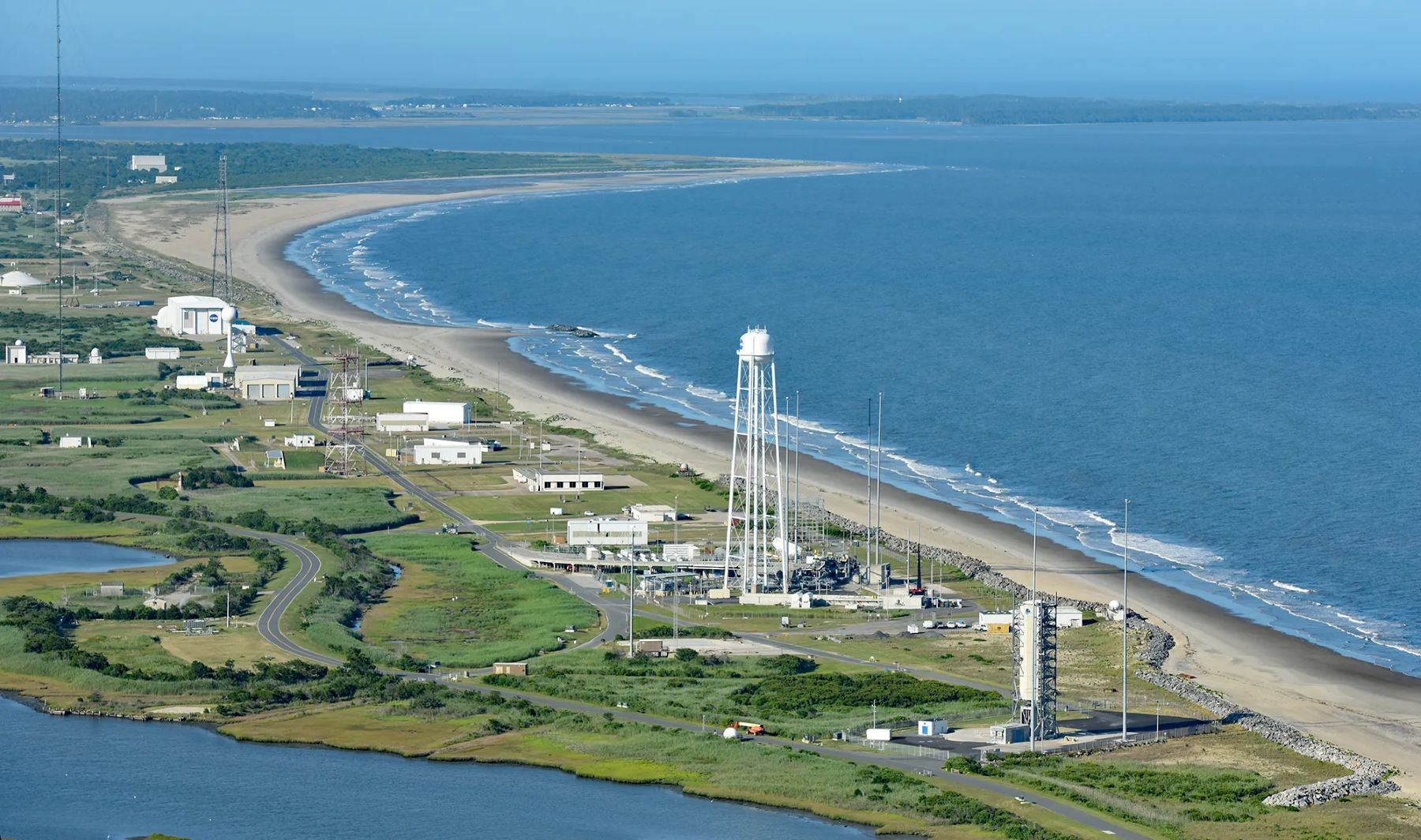
A rocket-propelled target is scheduled for launch July 27-28, 2024 from NASA’s launch range at the Wallops Flight Facility in Virginia in support of a U.S. Navy Fleet Training exercise. No real-time launch status updates will be available. The launch will not be livestreamed nor will launch status updates be provided during the countdown. The rocket launch may be visible…
Read More » -
Watch Carbon Dioxide Move Through Earth’s Atmosphere
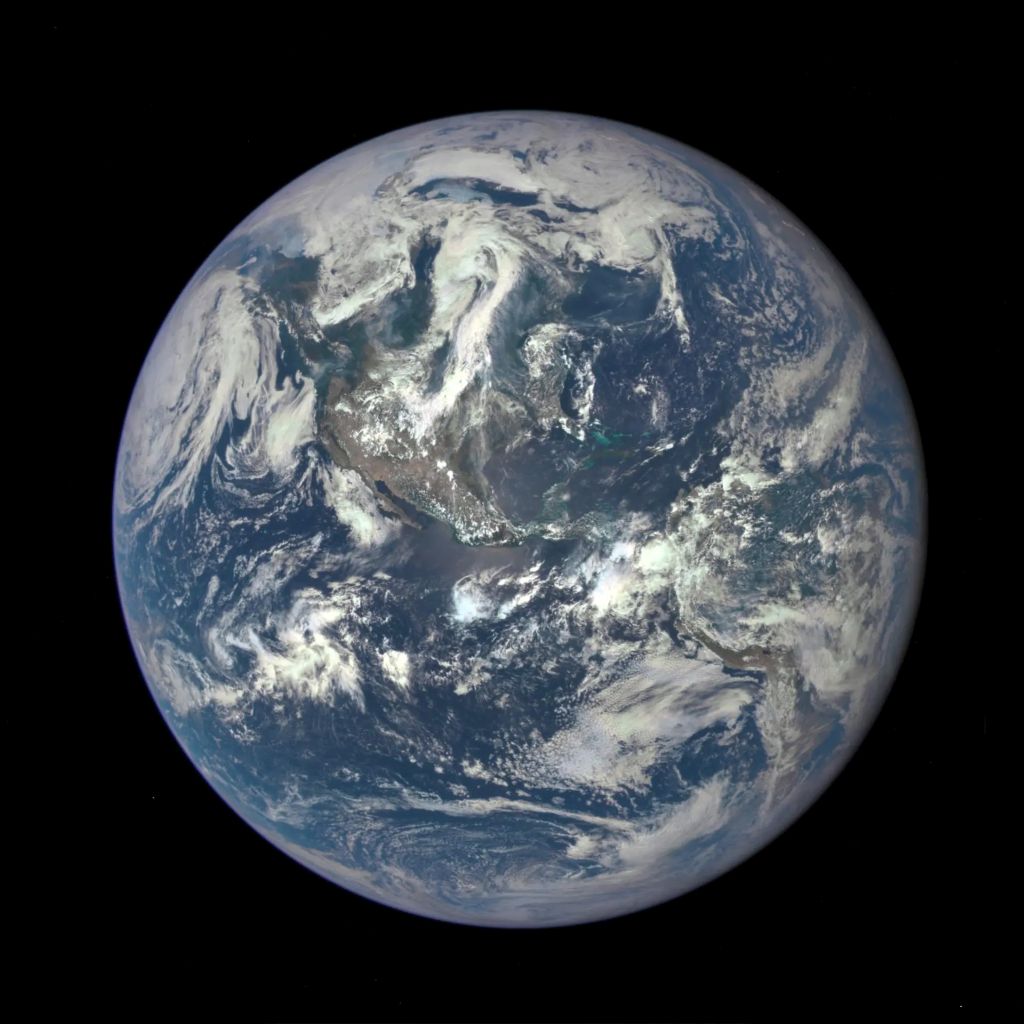
What we’re looking at This global map shows concentrations of carbon dioxide as the gas moved through Earth’s atmosphere from January through March 2020, driven by wind patterns and atmospheric circulation. Because of the model’s high resolution, you can zoom in and see carbon dioxide emissions rising from power plants, fires, and cities, then spreading across continents and oceans. Global…
Read More » -
NASA’s 21st Northrop Grumman Mission Launches Scientific Studies to Station
NASA and its international partners are sending scientific investigations to the International Space Station on Northrop Grumman’s 21st commercial resupply services mission. Flying aboard the company’s Cygnus spacecraft are tests of water recovery technology and a process to produce stem cells in microgravity, studies of the effects of spaceflight on microorganism DNA and liver tissue growth, and live science demonstrations for students.…
Read More » -
NASA Awards Launch Services Contract for NOAA’s JPSS-4 Mission
NASA, on behalf of the National Oceanic and Atmospheric Administration (NOAA), has selected SpaceX (Space Exploration Technologies Corporation) to provide launch services for NOAA’s JPSS-4 mission. The spacecraft is part of the multi-satellite cooperative Joint Polar Satellite System (JPSS) program, a partnership between NASA and NOAA. This mission is the next satellite in the program, which began with the Suomi…
Read More » -
NASA Rocket Discovers New Energization Process in Upper Atmosphere
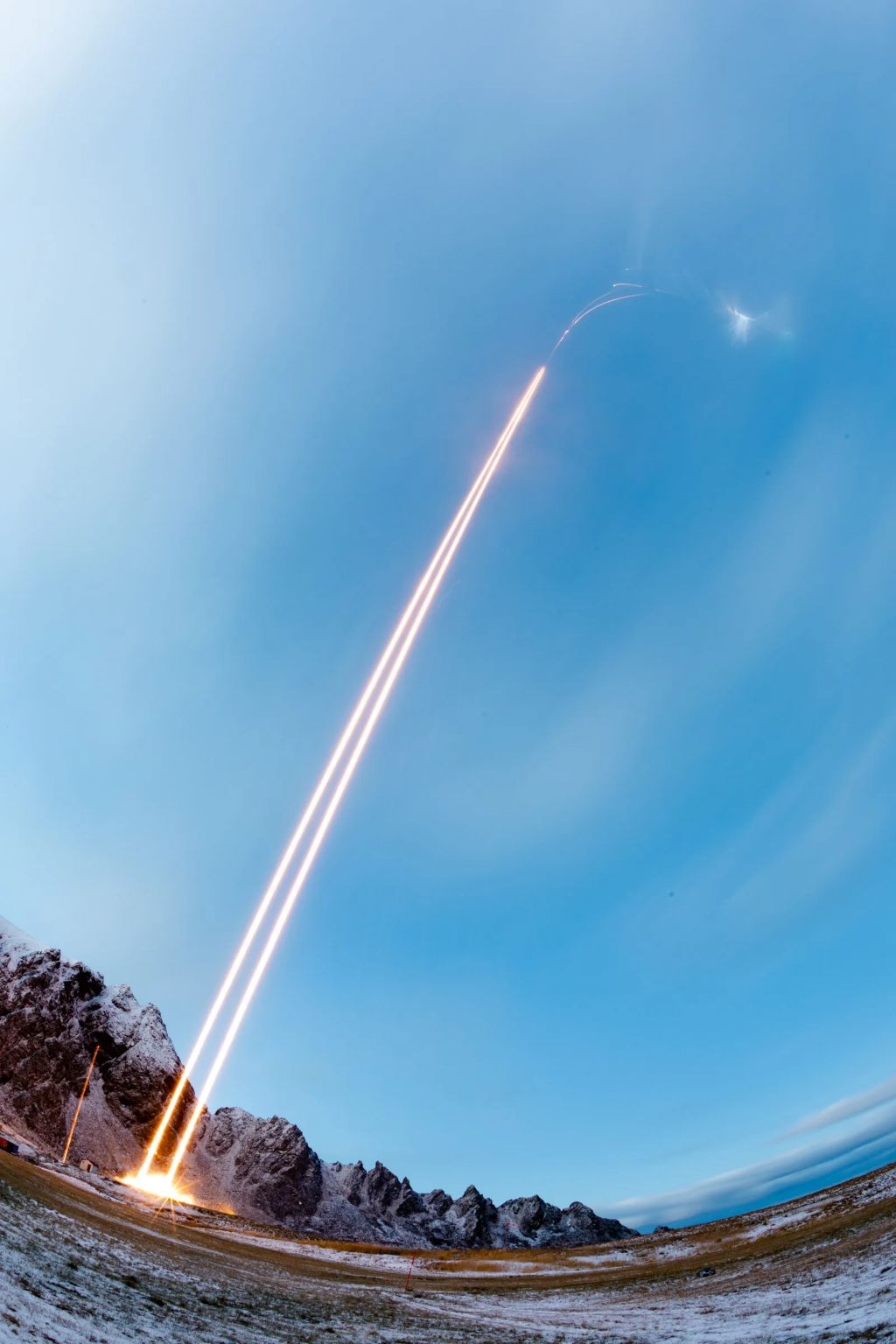
When it comes to discoveries about our upper atmosphere, it pays to know your surroundings. Using data from the Twin Rockets to Investigate Cusp Electrodynamics (TRICE-2) rocket launch, NASA scientist Francesca Di Mare and Gregory Howes from the University of Iowa studied waves traveling down Earth’s magnetic field lines into the polar atmosphere. These waves were known to accelerate electrons,…
Read More » -

Chandra Sees the Peacock’s Galaxy
To commemorate the 25th anniversary of NASA’s Chandra X-ray Observatory launch, the Chandra team released this never-seen-before image of NGC 6872, a spiral galaxy in the Pavo (Peacock) constellation, on July 22, 2024. This image and 24 others, which all include data from Chandra, demonstrate how X-ray astronomy explores all corners of the universe. NGC 6872 is 522,000 light-years across, making it more…
Read More » -

Seed Funding Proposals Due November 19 This Year!
Since it began in 2020, NASA’s Citizen Science Seed Funding Program (CSSFP) has helped twenty-four new NASA citizen science projects get off the ground. This one-year funding opportunity aims to expand the pool of professional scientists who use citizen science techniques in their science investigations. We’d like to remind you about two key changes to the CSSFP program this year! First, we heard…
Read More » -
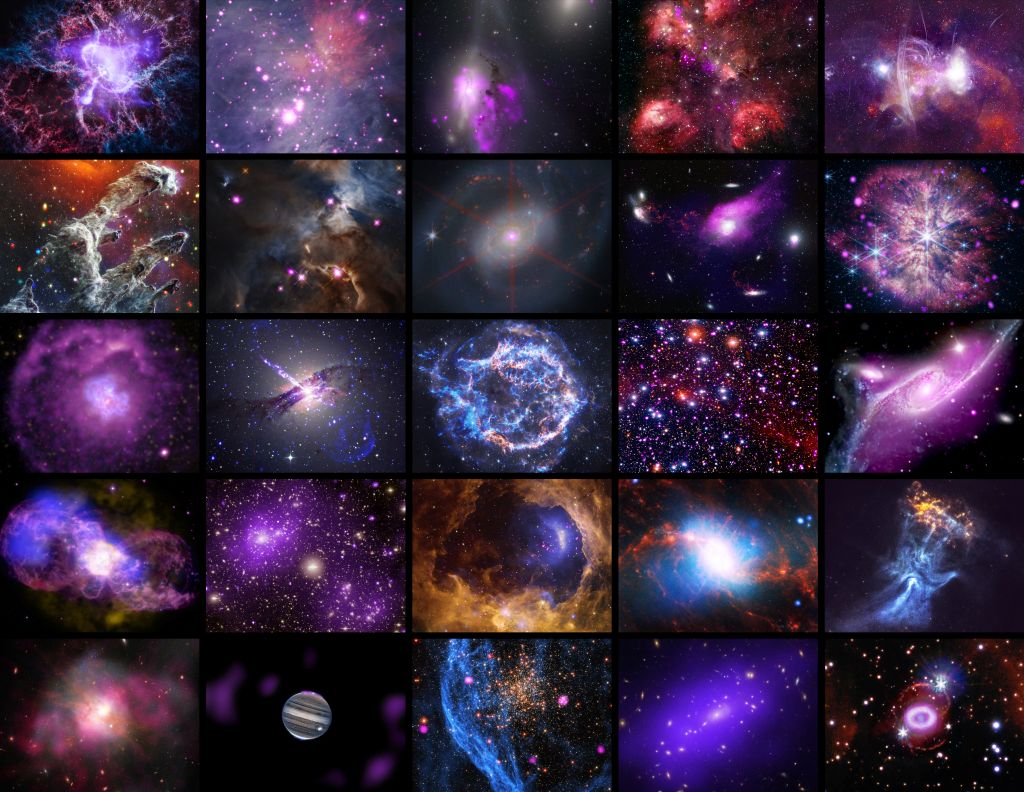
25 Images to Celebrate NASA’s Chandra 25th Anniversary
To celebrate the 25th anniversary of its launch, NASA’s Chandra X-ray Observatory is releasing 25 never-before-seen views of a wide range of cosmic objects. These images, which all include data from Chandra, demonstrate how X-ray astronomy explores all corners of the universe. By combining X-rays from Chandra with other space-based observatories and telescopes on the ground, as many of these images do,…
Read More » -
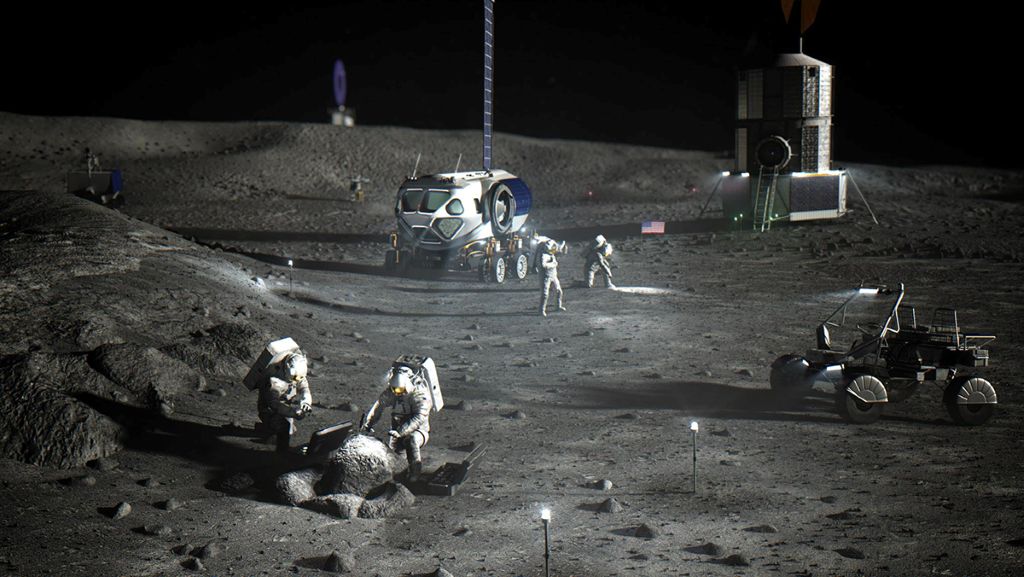
Ground Antenna Trio to Give NASA’s Artemis Campaign ‘LEGS’ to Stand On
New 66-foot-wide antenna dishes will be built, online, and operational in time to provide near-continuous communications services to Artemis astronauts at the Moon later this decade. Called LEGS, short for Lunar Exploration Ground Sites, the antennas represent critical infrastructure for NASA’s vision of supporting a sustained human presence at the Moon. The first three of six proposed LEGS are planned…
Read More »