
NASA
-
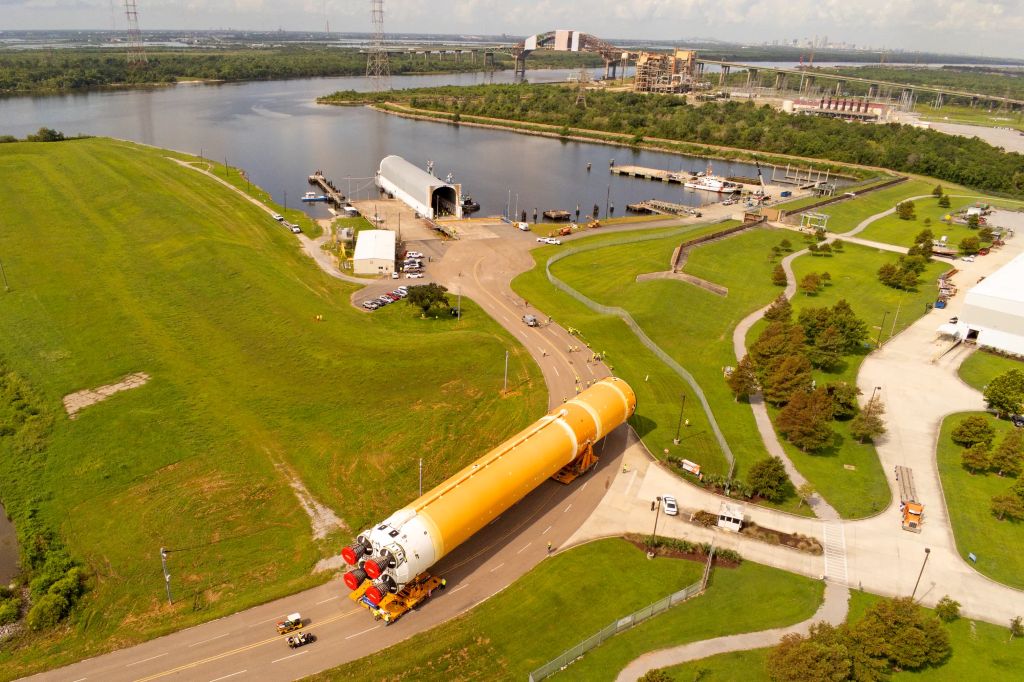
Artemis II Core Stage on the Move
On July 16, 2024, the first core stage of NASA’s SLS (Space Launch System) rocket for the agency’s Artemis II mission began a journey from NASA’s Michoud Assembly Facility in New Orleans. The core stage was moved onto the agency’s Pegasus barge, where it will be ferried 900 miles to NASA’s Kennedy Space Center in Florida. Once at Kennedy, engineers will prepare it in the Vehicle…
Read More » -
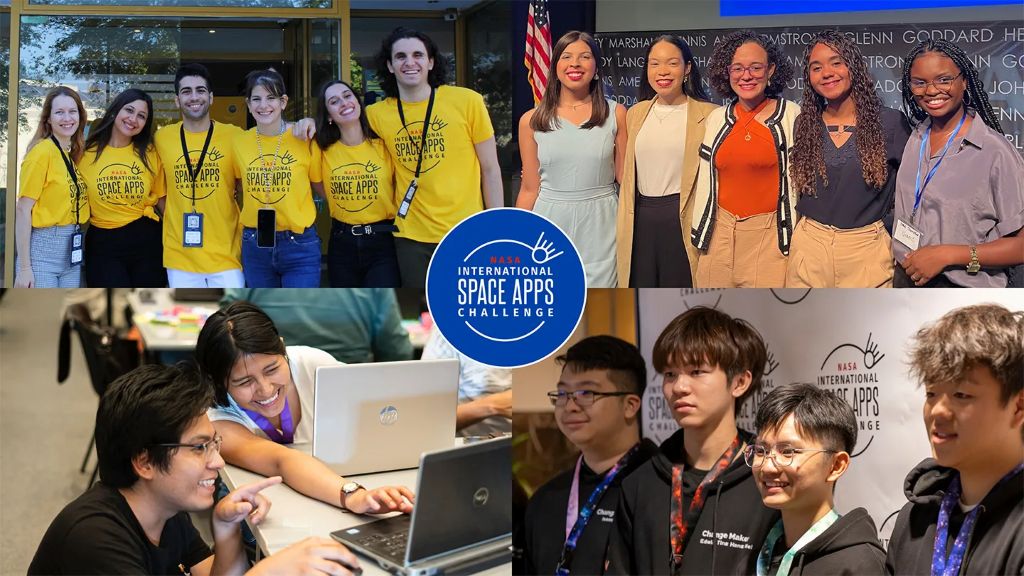
Registration Opens for the 2024 NASA International Space Apps Challenge
NASA invites a global community of innovators, technologists, storytellers, and problem solvers to register for the 2024 NASA Space Apps Challenge, the largest annual global hackathon. The annual event, held this year on October 5-6, fosters innovation through international collaboration by providing an opportunity for participants to utilize NASA’s free and open data and space-based data from space agency partners.…
Read More » -

NASA Ames Welcomes New Zealand Prime Minister, Celebrates Partnership
As one of eight nations that helped to develop the Artemis Accords, New Zealand is a valuable NASA partner. On July 12, New Zealand Prime Minister Christopher Luxon visited NASA’s Ames Research Center in California’s Silicon Valley to learn more about how Ames supports efforts to return humans to the Moon and the ongoing collaboration between NASA and New Zealand to…
Read More » -
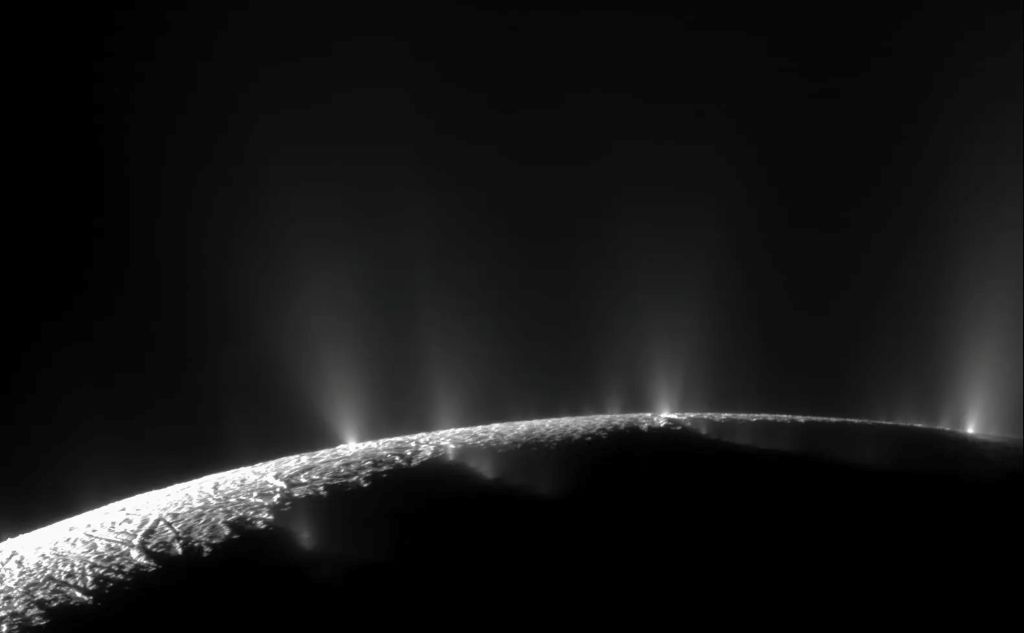
NASA: Life Signs Could Survive Near Surfaces of Enceladus and Europa
Europa, a moon of Jupiter, and Enceladus, a moon of Saturn, have evidence of oceans beneath their ice crusts. A NASA experiment suggests that if these oceans support life, signatures of that life in the form of organic molecules (e.g. amino acids, nucleic acids, etc.) could survive just under the surface ice despite the harsh radiation on these worlds. If…
Read More » -
Summary of the 2023 Sun – Climate Symposium
Introduction Observations of the Sun and Earth from space continue to revolutionize our view and understanding of how solar variability and other natural and anthropogenic forcings impact Earth’s atmosphere and climate. For more than four decades (spanning four 11-year solar cycles and now well into a fifth), the total and spectral solar irradiance and global terrestrial atmosphere and surface have…
Read More » -

July 2024 Transformer of the Month: Brooke Weborg
“She gets things done.” This is how colleagues describe Brooke Weborg, machine learning data scientist and engineer at NASA. Weborg was nominated as Digital Transformer of the Month for her work on the AI/ML (artificial intelligence/machine learning) consultation portal, the type of ambitious project that computer scientist Herb Schilling had seen fail in the past. “Some of these things that…
Read More » -
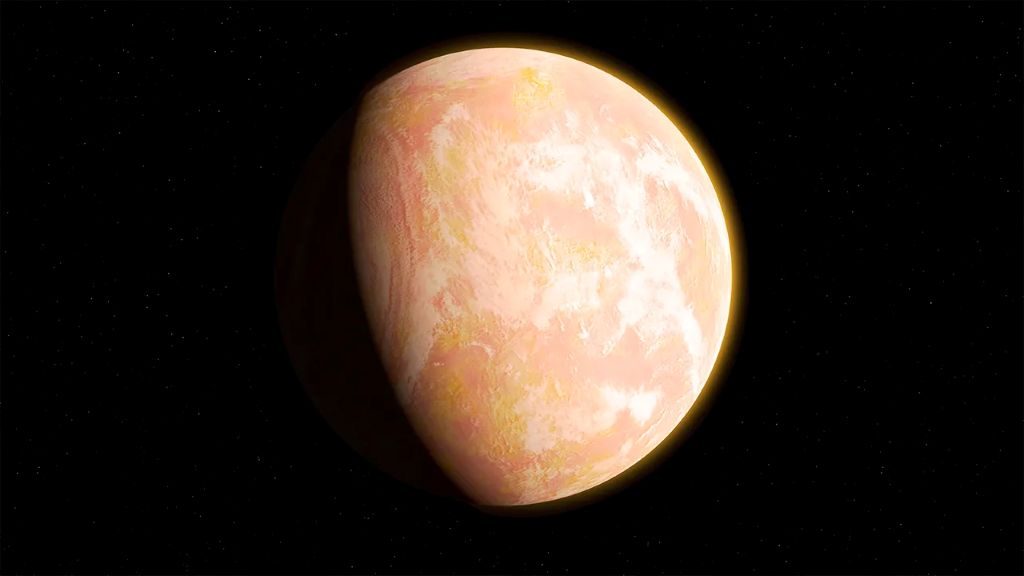
An Ancient Partnership: Co-Evolution of Earth Environments and Microbial Life
NASA-supported scientists have examined the long and intricately linked history of microbial life and the Earth’s environment. By reviewing the current state of knowledge across fields like microbiology, molecular biology, and geology, the study looks at how microorganisms have both shaped and been shaped by chemical properties of our planet’s oceans, land, and atmosphere. The study combines data across multiple…
Read More » -

NASA Ends VIPER Project, Continues Moon Exploration
Following a comprehensive internal review, NASA announced Wednesday its intent to discontinue development of its VIPER (Volatiles Investigating Polar Exploration Rover) project. NASA stated cost increases, delays to the launch date, and the risks of future cost growth as the reasons to stand down on the mission. The rover was originally planned to launch in late 2023, but in 2022,…
Read More » -
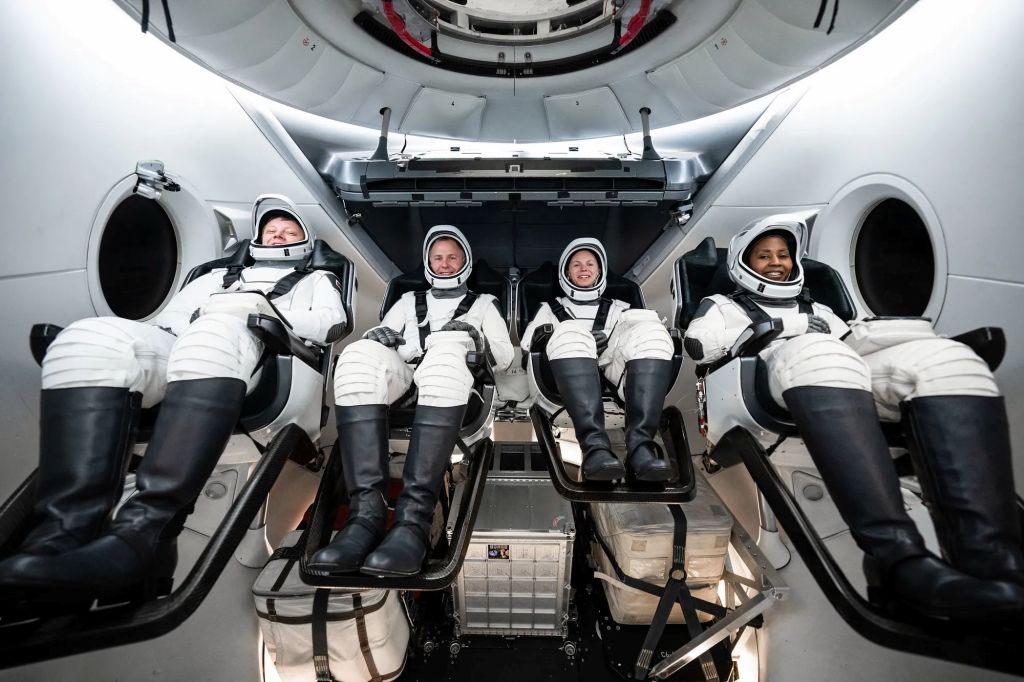
NASA, SpaceX Invite Media to Watch Crew-9 Launch to Space Station
Media accreditation now is open for the launch of NASA’s ninth rotational mission of a SpaceX Falcon 9 rocket and Dragon spacecraft that will carry astronauts to the International Space Station for a science expedition. This mission is part of NASA’s Commercial Crew Program. Launch of NASA’s SpaceX Crew-9 mission is targeted for no earlier than mid-August from Launch Complex…
Read More » -
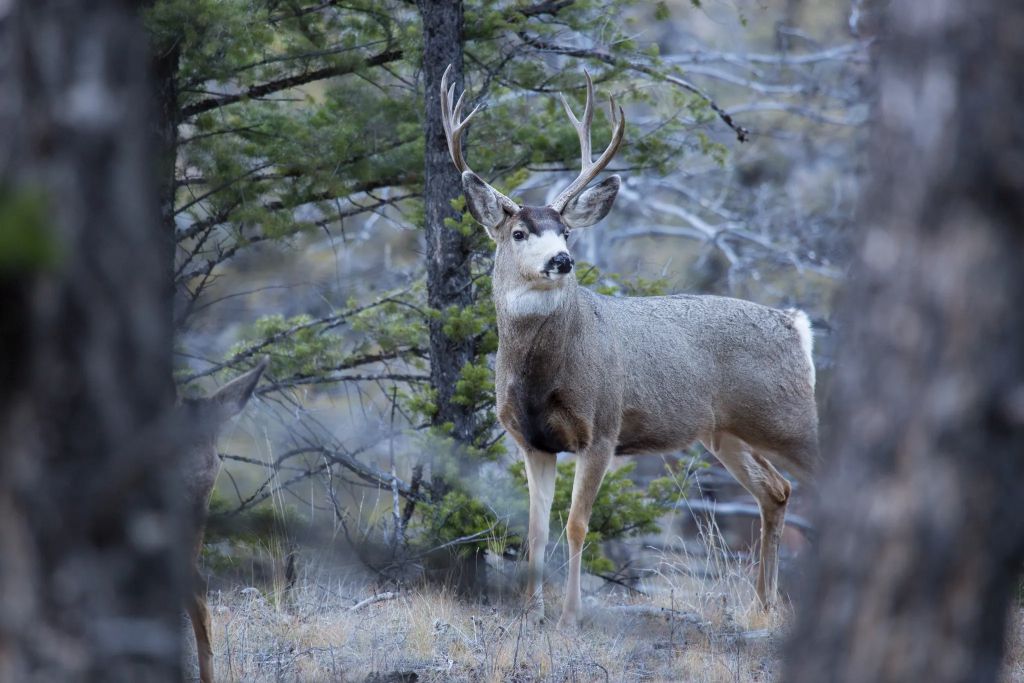
The Next Full Moon is the Buck or Thunder Moon
The Next Full Moon is the Buck or Thunder Moon; the Hay or Mead Moon; Guru Purnima; Asalha Puja (aka Dharma Day or Esala Poya); and the start of Vassa. The next full Moon will be Sunday morning, July 21, 2024, appearing opposite the Sun (in Earth-based longitude) at 6:17 AM EDT. For the International Date Line West and the…
Read More »