
NASA
-
Astronomy Picture of the Day
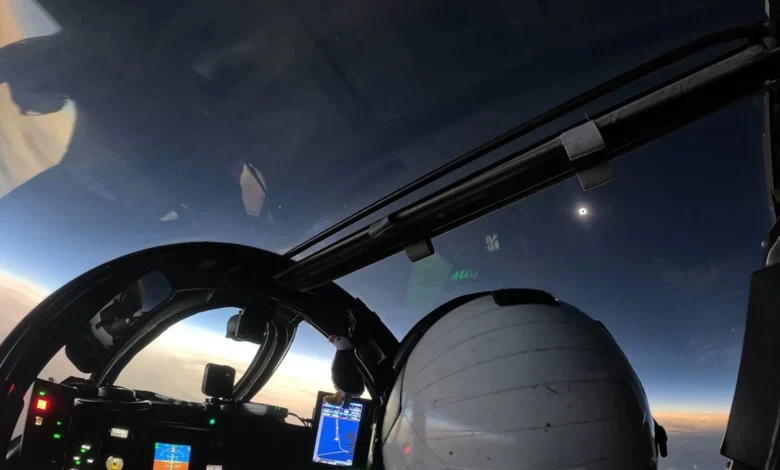
Chasing the Moon’s Shadow Explanation: Chasing the shadow of a New Moon, NASA’s WB-57F high altitude research aircraft took to the skies off the coast of Iceland on August 12 to observe a total solar eclipse. At 50,000 feet the aircraft was piloted along the precisely determined path of totality to maximize its time in the Moon’s shadow. A suite of high-resolution cameras on board…
Read More » -

NASA Ames Fire Department Aircraft Firefighting Training
The fire department at NASA’s Ames Research Center in California’s Silicon Valley will perform training on the Moffett Federal Airfield beginning Tuesday, Sept. 8 through Friday, Sept. 11. The training will involve the use of a propane-fueled aircraft fire simulator and be conducted from 8 a.m. to 8 p.m. PDT. Because the aircraft simulator is fueled by propane, very little…
Read More » -
NASA Hosts Virtual Artemis Webinar for Blind, Low-Vision Community
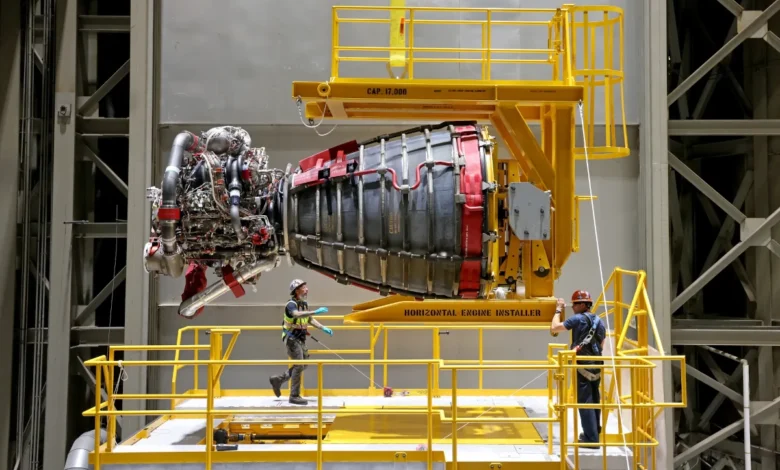
NASA will host a virtual webinar at 2 p.m. EDT on Friday, Oct. 2, titled “The RS-25 Engine and the Future of Artemis Missions: An Accessible Webinar for the Blind and Low-Vision Community.” This webinar is open to the public, however it is tailored specifically for a blind and low-vision audience. The webinar will last about two hours and include an audio-described video of…
Read More » -
Astronomy Picture of the Day
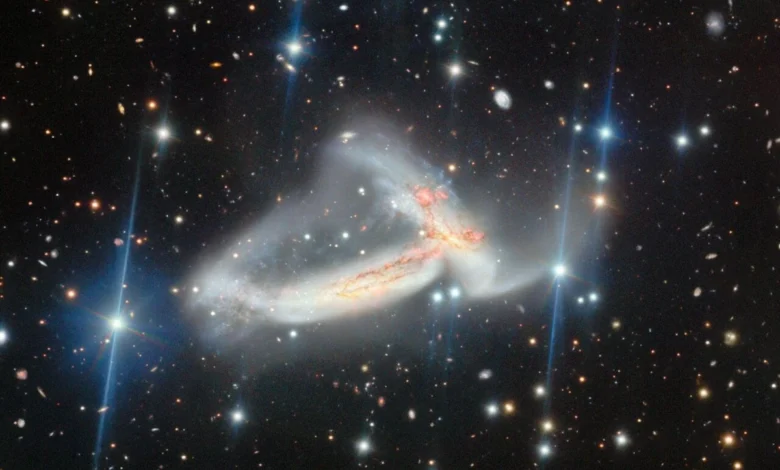
Nā ʻUhane Māhoe Huki Pū i ke Ola Explanation: Nā ʻUhane Māhoe Huki Pū i ke Ola, is the Hawaiian name given to this image of a pair of spiral galaxies locked in a mutual gravitational embrace. Some 200 million light-years distant toward the high flying constellation Pegasus their spectacular, galactic scale merger is captured in sharp detail in the image…
Read More » -
A Trio of Tropical Cyclones in the Pacific
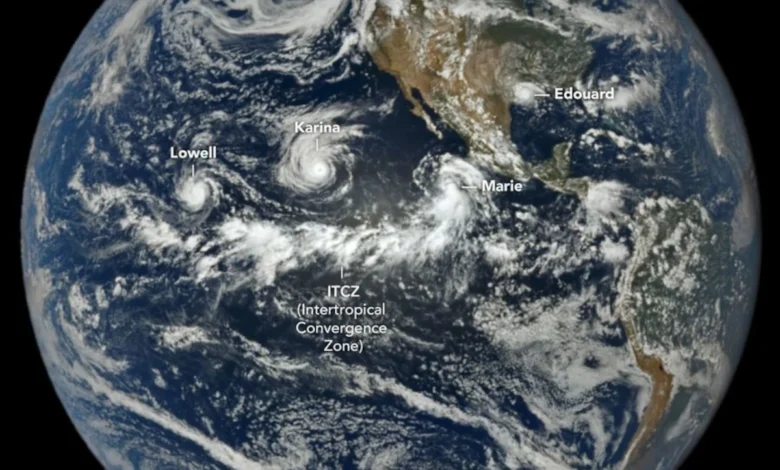
When hurricane forecasters released their seasonal outlooks in spring 2026, the El Niño brewing in the Pacific contributed to predictions of below-normal activity in the Atlantic basin but above-normal activity in the northeastern and central Pacific basins. In early September, near the climatological peak of hurricane season, those spring outlooks were on target, with the eastern Pacific buzzing with activity and the Atlantic notably quiet. As of…
Read More » -
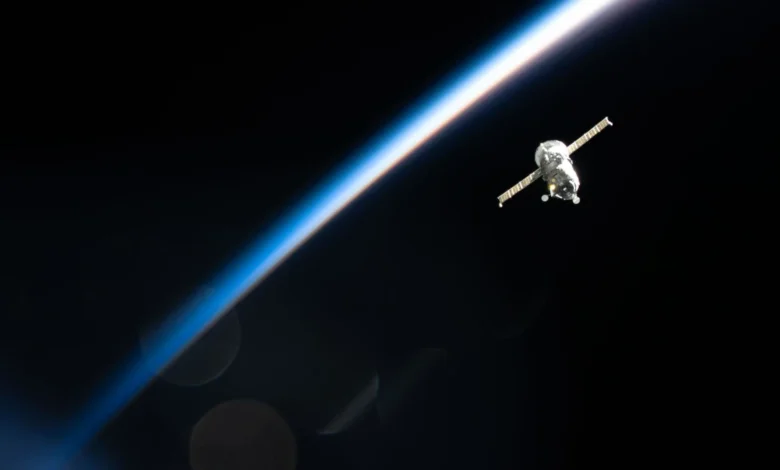
NASA to Cover Progress 96 Spacecraft Launch, Docking
NASA will provide live coverage of the launch and docking of a Roscosmos cargo spacecraft carrying about three tons of food, fuel, and supplies for the crew aboard the International Space Station. The unpiloted Progress 96 resupply spacecraft is scheduled to launch at 12:15 p.m. EDT (9:15 p.m. Baikonur time), Wednesday, Sept. 9, on a Soyuz rocket from the Baikonur…
Read More » -
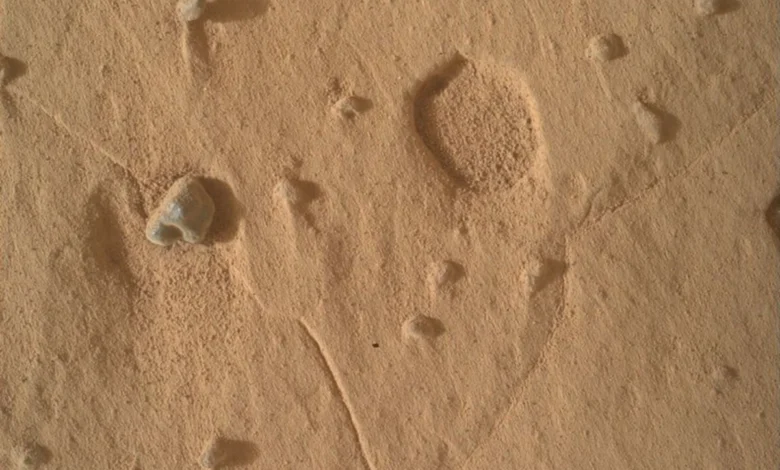
Curiosity Blog, Sols 4988-4994: More New Tricks for an Old Dog
Written by Michelle Minitti, MAHLI Deputy Principal Investigator Earth planning date: Friday, Aug. 21, 2026 After Curiosity’s 14 years on the surface, Mars continues to surprise. Both of our workspaces this week contained features unlike quite anything we have seen in the past — broad, shallow pits (like the one in the image above) dotted across the bedrock. Pits are…
Read More » -
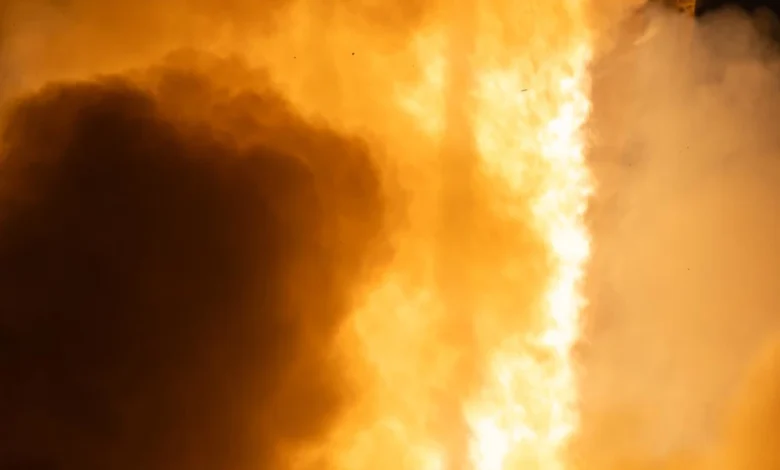
Igniting Roman’s Journey
Now on a three-month, million-mile journey to its final orbit, NASA’s Nancy Grace Roman Space Telescope will soon reveal the universe’s darkest secrets. The mission launched at 7:26 a.m. EDT on Aug. 30 aboard a SpaceX Falcon Heavy rocket from Launch Complex 39A at the agency’s Kennedy Space Center in Florida. Roman pairs a large field of view with crisp infrared vision…
Read More » -
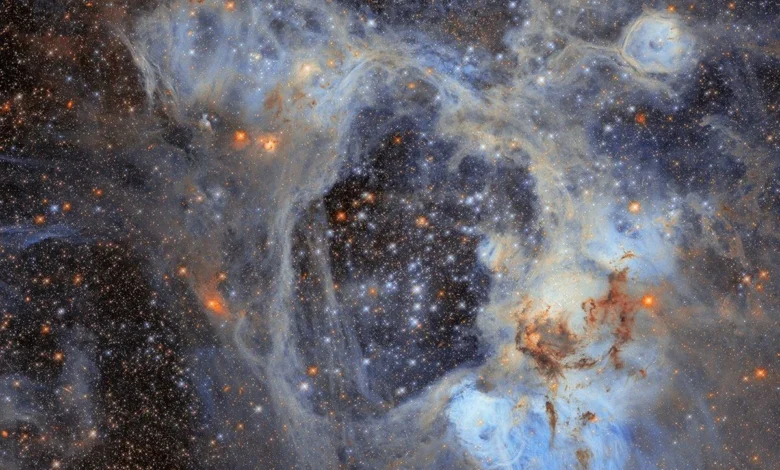
NASA’s Hubble Spies Superbubble Scene
This NASA/ESA Hubble Space Telescope image features a sprawling cosmic vista in the Large Magellanic Cloud, or LMC, the largest of the small galaxies that orbit our Milky Way galaxy. At just 160,000 light-years away, the LMC offers a close look at highly active star birth sites like the one in this image. This photogenic nebula, named LHA 120-N44, or N44, is…
Read More » -
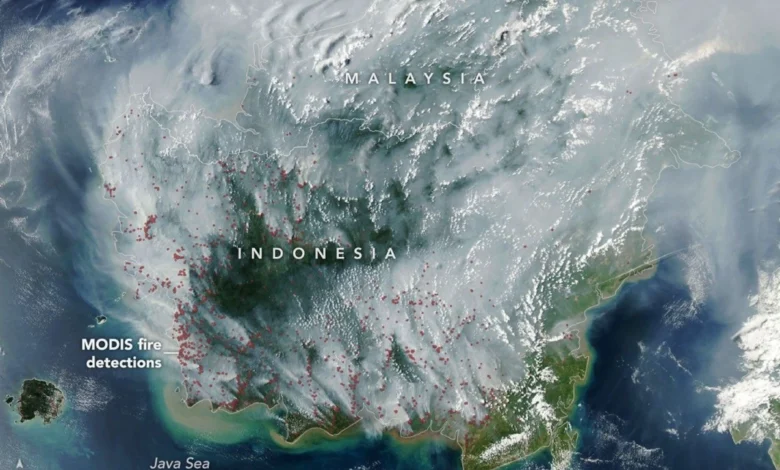
Peatland Fires Darken Skies in Indonesia
If there were an apex predator among fires, tropical peatland fires would be a top contender. These fires, which burn in dried wetland soils, are slow-burning, highly polluting, and notoriously difficult to extinguish because they smolder at low temperatures and often burn underground through expansive deposits of peat. By one estimate, peat fires generate three times more fine particulate matter than other tropical forest fires, five…
Read More »