
APOTD
-
NASA
Astronomy Picture of the Day
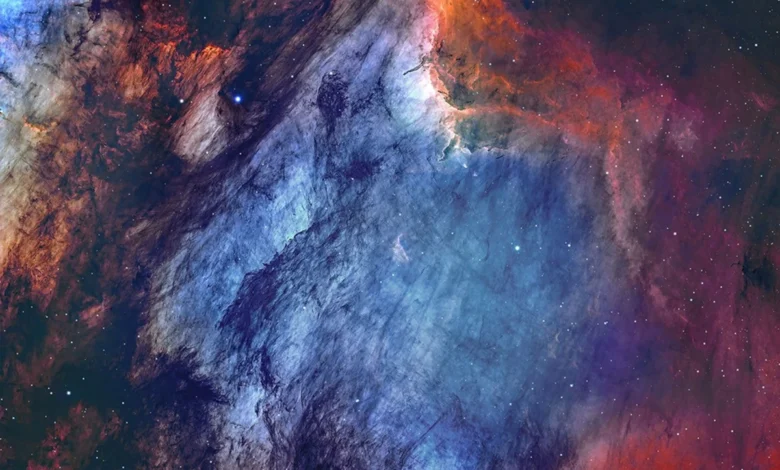
The Pelican Nebula in Gas, Dust, and Stars Explanation: The Pelican Nebula is slowly being transformed. IC 5070 (an official designation) is divided from the larger North America Nebula by a molecular cloud filled with dark dust. The deep featured picture from Utah, USA incorporates 25 hours of exposure and brings out great details of this filamentary dust. The Pelican Nebula receives much study because it is a particularly active mix of star formation and evolving…
Read More » -
NASA
Astronomy Picture of the Day
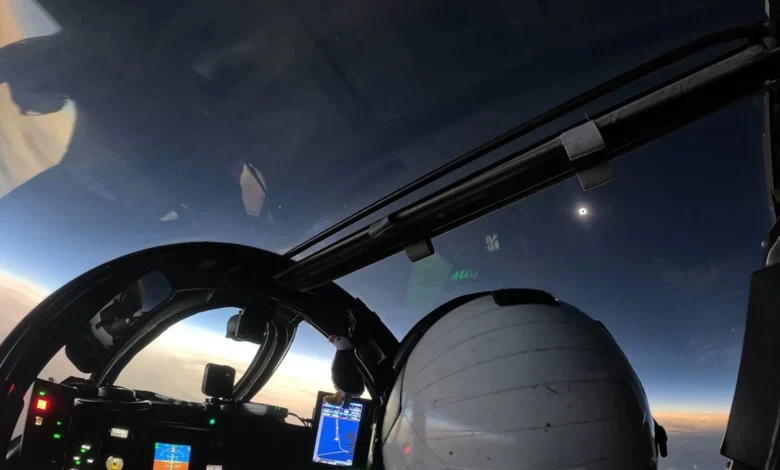
Chasing the Moon’s Shadow Explanation: Chasing the shadow of a New Moon, NASA’s WB-57F high altitude research aircraft took to the skies off the coast of Iceland on August 12 to observe a total solar eclipse. At 50,000 feet the aircraft was piloted along the precisely determined path of totality to maximize its time in the Moon’s shadow. A suite of high-resolution cameras on board…
Read More » -
NASA
Astronomy Picture of the Day
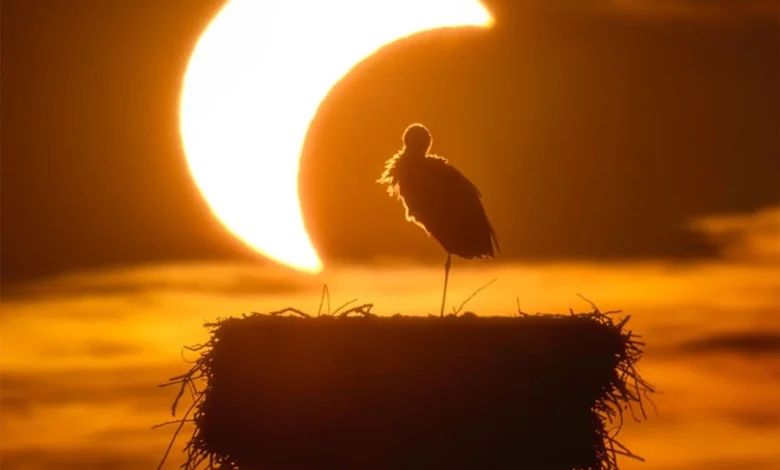
The Eclipse and the Stork Explanation: How do animals react to a total solar eclipse? The featured image shows a stork roosting on her nest in Poland at a partial phase of the recent total solar eclipse. If you are lucky enough to experience a total eclipse somewhere quiet and close to nature, you may be able to notice unusual daytime animal behaviors. During totality, you…
Read More » -
NASA
Astronomy Picture of the Day
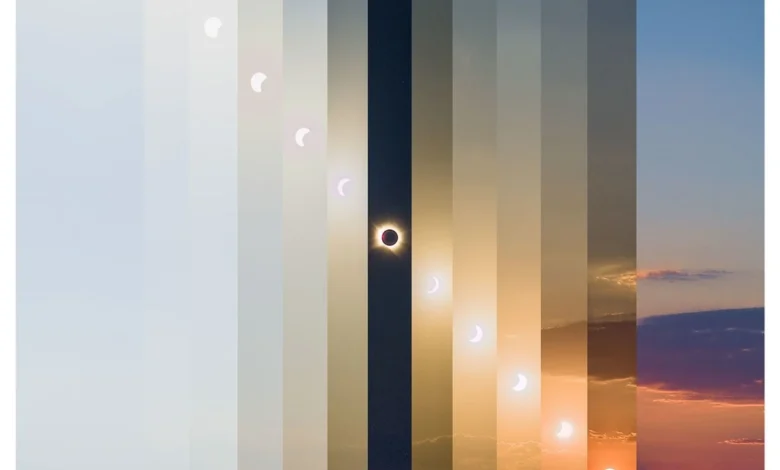
Solar Eclipses and Culture Explanation: Pretend you have never heard of a solar eclipse. The Sun’s behavior has been predictable your whole life. One day, you witness the sky transform as it does in today’s spliced image spanning two hours of the August 12, 2026 solar eclipse. The Sun disappears, leaving behind a bright, empty ring. What would you think had happened? Humans have…
Read More » -
NASA

Astronomy Picture of the Day
Discover the cosmos! Each day a different image or photograph of our fascinating universe is featured, along with a brief explanation written by a professional astronomer. Play Video Launch of the Roman Space Telescope Explanation: A new telescope has been launched into space to study the universe. The Nancy Grace Roman Space Telescope (RST) has the same size main mirror as the Hubble Space Telescope (HST) but sees 100…
Read More » -
NASA
Astronomy Picture of the Day
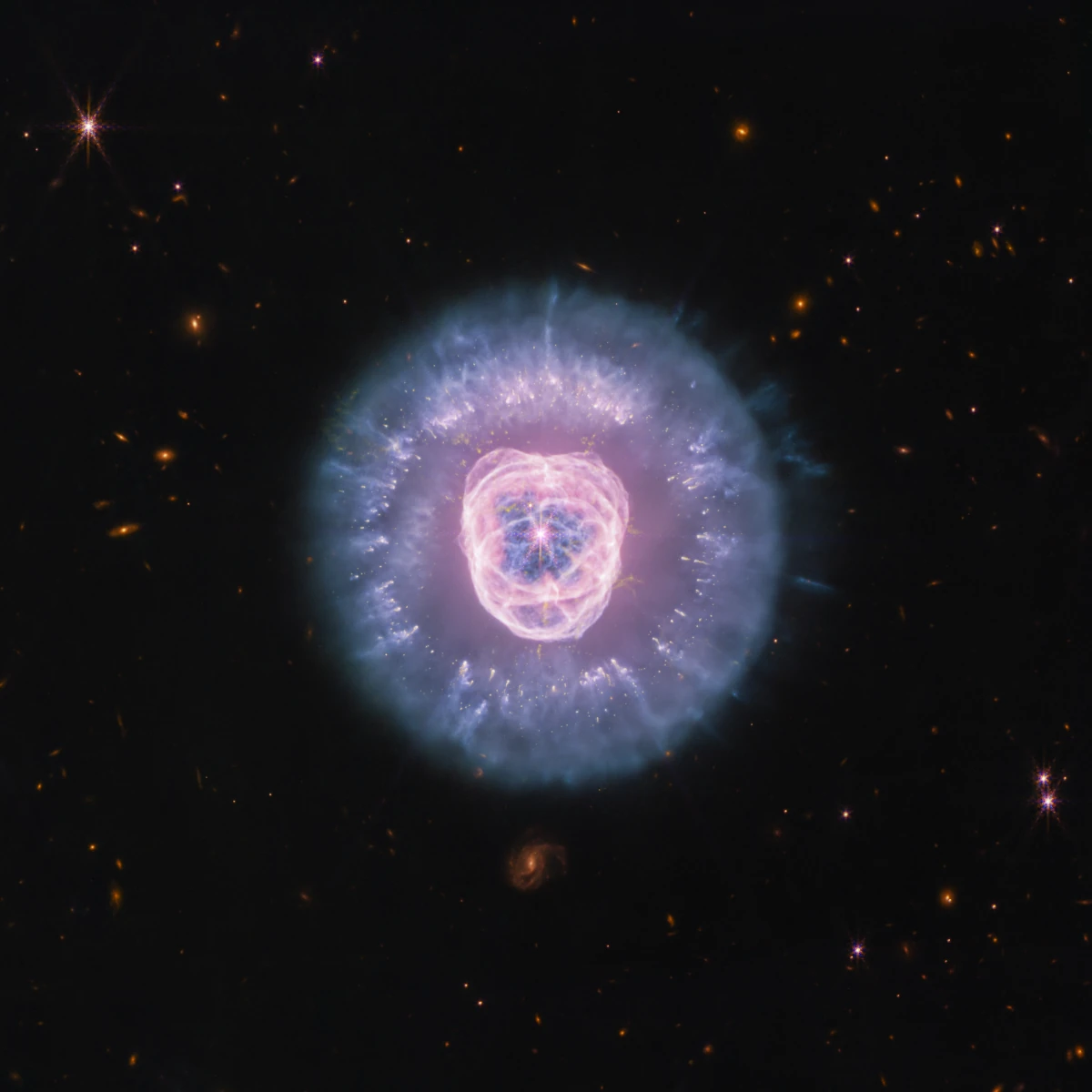
JWST Images The Lion’s Head Nebula Explanation: Are we looking at the future of our Sun? The James Webb Space Telescope captured today’s composite image of the Lion’s Head Nebula (NGC 2392) with its NIRCam and MIRI instruments. The Lion’s Head Nebula is the remnant of a Sun-like star. This star was unable to sustain the nuclear fusion in its core needed to remain stable. It began to shed layers of gas and…
Read More » -
NASA
Astronomy Picture of the Day
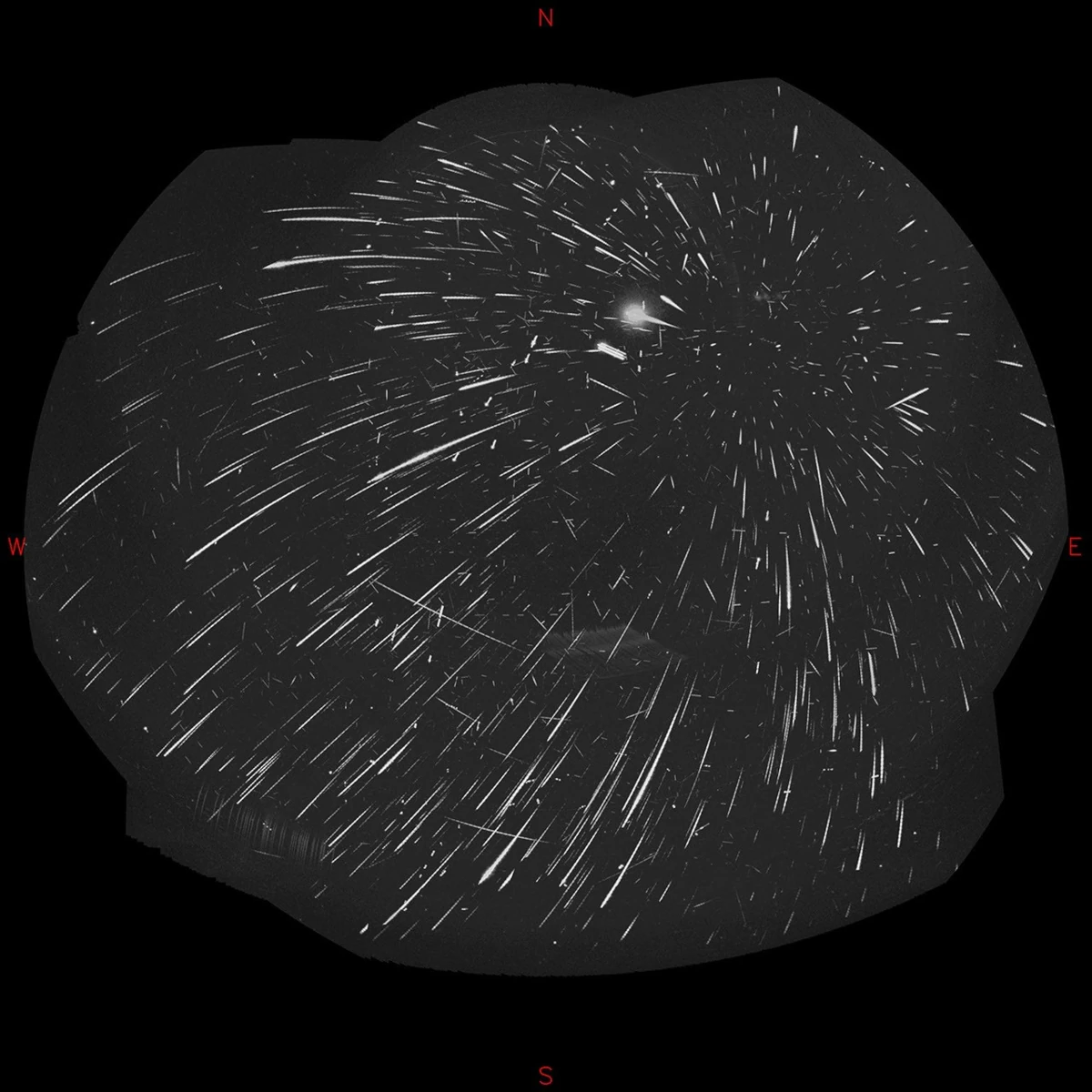
Mostly Perseids Explanation: Recorded the night of August 12-13, images from four dedicated meteor-monitoring cameras at an astronomical observatory in Czechia were aligned and combined to create this all-night, all-sky view. On that night, the total count came to 1,706 meteors. And since that coincided with the peak activity of the 2026 Perseid Meteor Shower, most are perseids. Their overwhelming numbers make them easy to…
Read More » -
Press Releases
Astronomy Picture of the Day
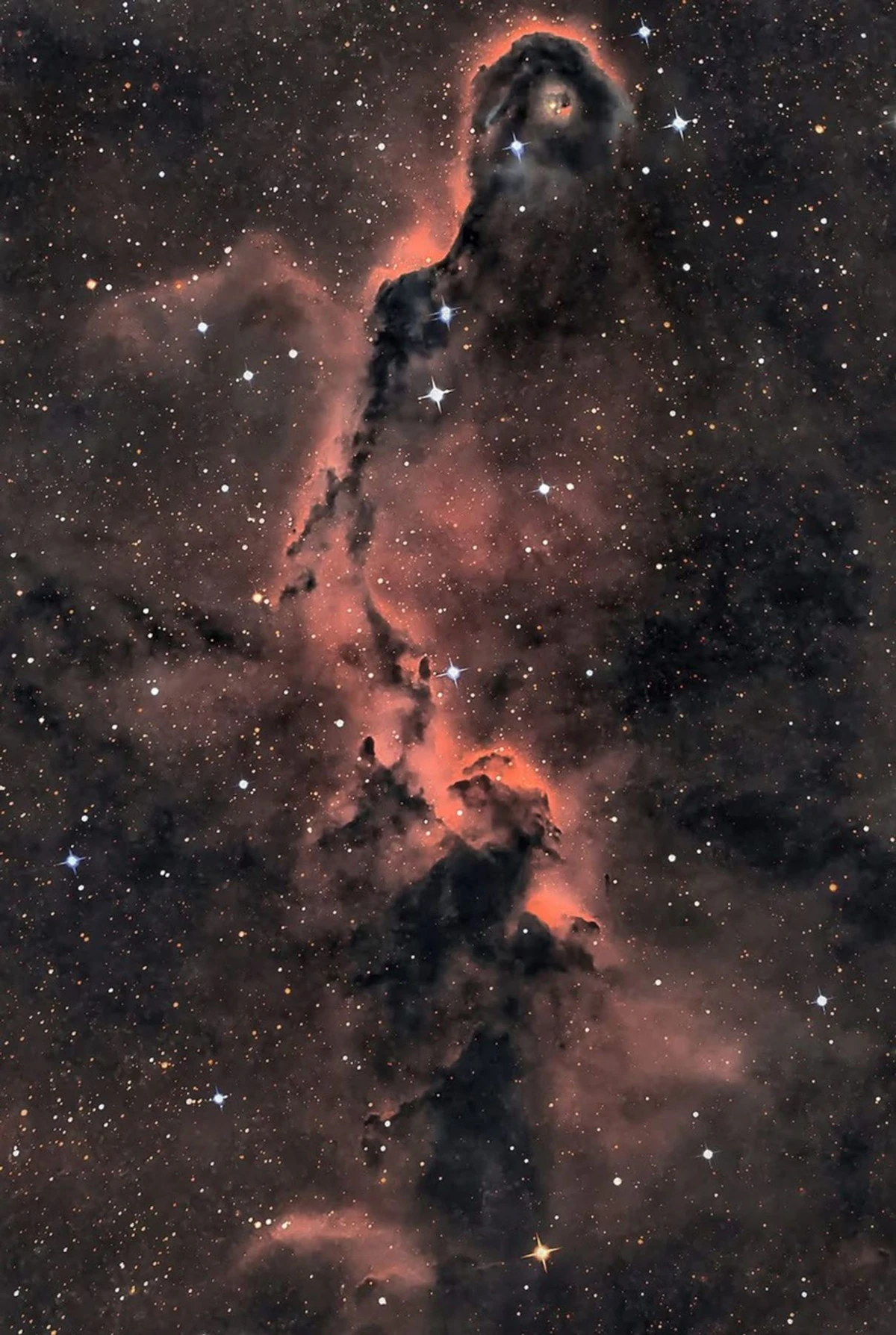
The Elephant’s Trunk in Cepheus Explanation: Like an illustration in a galactic Just So Story, the Elephant’s Trunk Nebula winds through the emission region and young star cluster complex IC 1396, in the high and far off constellation of Cepheus. Also known as vdB 142, this cosmic elephant’s trunk is over 20 light-years long. The detailed telescopic view features the bright swept-back ridges and pockets…
Read More » -
NASA
Astronomy Picture of the Day
The Case of the Mysterious Maybe Meteor Explanation: Whatdunit? What disappeared while crossing a partially eclipsed Sun? Let’s present the evidence. The 24 frames-per-second video was taken in Spain (40°34’30.3″N 1°12’28.8″W) at 20:28 local time on August 12, 2026. The Perseids meteor shower was at its peak during this time. Is this a meteor? Meteor showers trace back to a region of the sky called a radiant…
Read More » -
NASA
Astronomy Picture of the Day
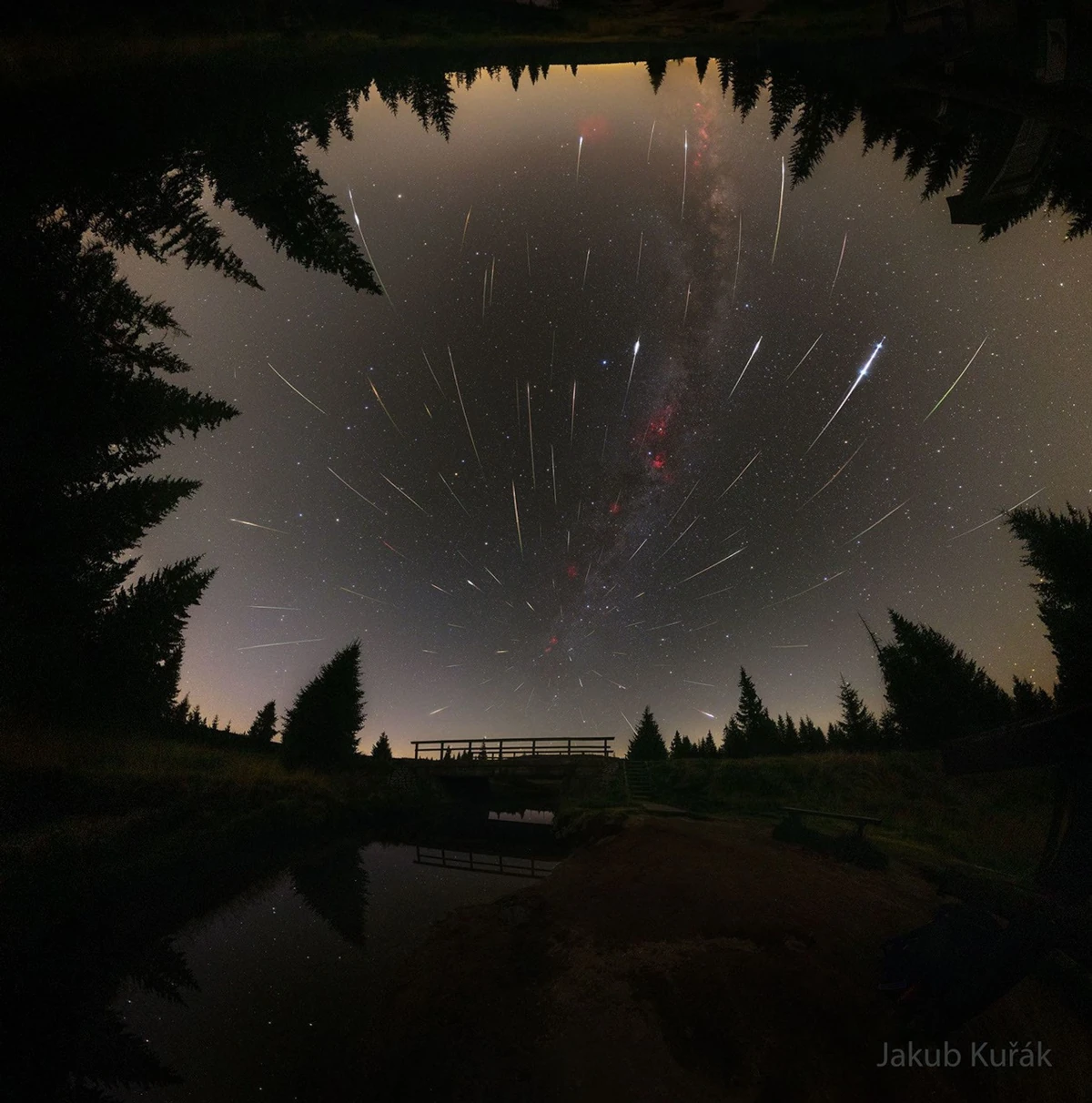
Perseids from Perseus Explanation: This was a good year for the Perseids meteor shower. A key reason was the Moon was absent from lighting up Earth’s night sky so that more meteors were visible than usual. Where was the Moon? It was busy visiting the Sun. Near the Perseids peak, the Moon moved directly in front of the Sun and created a total solar eclipse visible from Greenland and Spain. The Perseids occur when the Earth…
Read More »