Armstrong Flight Research Center

  • NASA

    NASA Uses Subscale Aircraft to Accelerate Flight Innovation

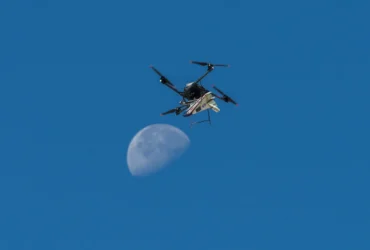
    Testing new aerospace concepts in flight remains one of NASA’s most effective ways to advance knowledge and reduce risk. The Dale Reed Subscale Flight Research Laboratory at NASA’s Armstrong Flight Research Center in Edwards, California, supports this mission by using small, remotely piloted and autonomous aircraft as cost‑effective platforms to mature innovative ideas, accelerate learning, and enable smoother transitions to…

    Read More »
  • NASA

    NASA Jets Turn Red, White, and Blue

    In honor of America’s 250th birthday, two of NASA’s most iconic aircraft got a fresh coat of red, white, and blue paint ahead of a flyover in Washington on July 4, 2026, with other NASA aircraft.   An F-15 and an F/A-18 from NASA’s Armstrong Flight Research Center in Edwards, California, recently were repainted in patriotic colors as a tribute to the…

    Read More »
  • NASA

    NASA Study Points to Smoother Air Taxi Rides

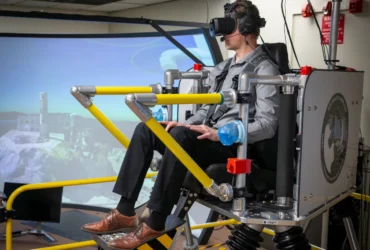
    No one wants to get into an uncomfortable aircraft. NASA research could help the emerging industry of air taxis —small, vertical-takeoff-and-landing aircraft meant for short trips — understand the relationship between comfort and willingness to fly. That’s where NASA comes in, with data that can help identify how to plan air taxi rides that can keep travelers feeling good. NASA…

    Read More »
  • NASA

    NASA Photographer Captures Images from F-18 Over Washington

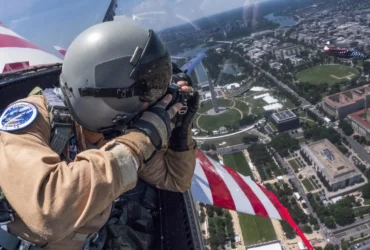
    NASA flight photographers capture history from a perspective few ever experience, getting a rare bird’s-eye view of the agency’s missions in action. Their photos document key NASA research and give the public a front-row seat to the work happening behind the scenes. Jim Ross, a photographer at NASA’s Armstrong Flight Research Center in Edwards, California, flew over Washington during the…

    Read More »
  • NASA

    A Day of Flight Testing at NASA Armstrong

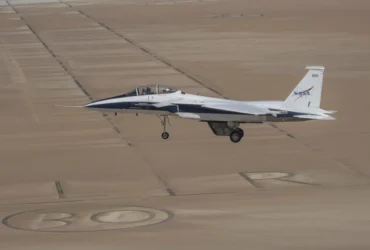
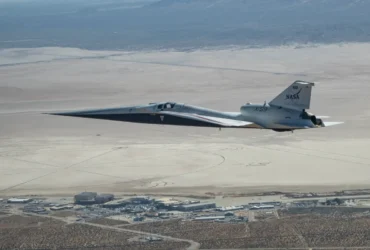
    Flight testing is a team sport. For nearly 80 years, teams at NASA’s Armstrong Flight Research Center in Edwards, California, have used flight testing to push the limits of aerodynamics and advance aviation. Earlier this year, NASA’s Crossflow Attenuated Natural Laminar Flow (CATNLF) initiative tested a wing concept that would maximize the smooth flow of air known as laminar flow,…

    Read More »
  • NASA

    This is How NASA Flight Tests New Technology

    Flight tests are a big part of how NASA turns breakthrough ideas into reality. From flying humans faster than the speed of sound to proving designs that helped shape the space shuttle, flight testing transforms bold concepts into safer, more efficient technologies that benefit the public. “Flight tests are a way to safely and effectively prove new technology, which helps…

    Read More »
  • NASA

    NASA’s Experimental Fabrication Branch Fuels Aircraft Innovation

    At NASA, innovation begins well before an aircraft takes flight. The Experimental Fabrication Branch at NASA’s Armstrong Flight Research Center in Edwards, California, transforms engineering concepts into mission‑ready hardware for research aircraft and technology development. This capability helps the agency deliver advancements that benefit the public by improving aviation safety, efficiency, and sustainability. The branch serves as a full‑service manufacturing,…

    Read More »
  • NASA

    NASA Awards Modification Contract for Reduced Gravity Test Aircraft

    NASA selected Denmar Technical Services of Nevada to provide aircraft modifications, maintenance, and testing services to the Human Spaceflight Mission Directorate at NASA’s Armstrong Flight Research Center in Edwards, California, and Johnson Space Center in Houston. The award is a firm-fixed-price contract and will be time and material for any over and above and unforeseen work. This contract has a…

    Read More »
  • NASA

    Going Low and Slow in Testing

    NASA’s X-59 quiet supersonic research aircraft flies above NASA’s Armstrong Flight Research Center in Edwards, California, on April 28, 2026, during testing focused on lower-speed and altitude flight conditions in support of NASA’s Quesst mission. The X-59 has completed initial test flights at high altitudes and near-supersonic speeds, opening the door for additional flights focused on its full operating range. These more…

    Read More »
  • NASA

    Keeping NASA Flying: Ground Crews Ensure Aircraft Readiness

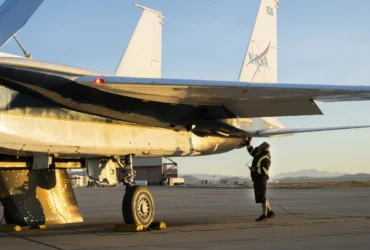
    From high‑speed research flights to high‑altitude science campaigns, NASA depends on aircraft that perform at their best and the ground crews who keep them mission ready. At NASA’s Armstrong Flight Research Center in Edwards, California, specially trained maintenance crews are essential to keeping the agency’s aircraft flying safely and reliably. This year, NASA added two F-15s and a Pilatus PC-12 to its fleet at Armstrong. These…

    Read More »
Back to top button