
Astronomical Society of the Pacific
-
NASA
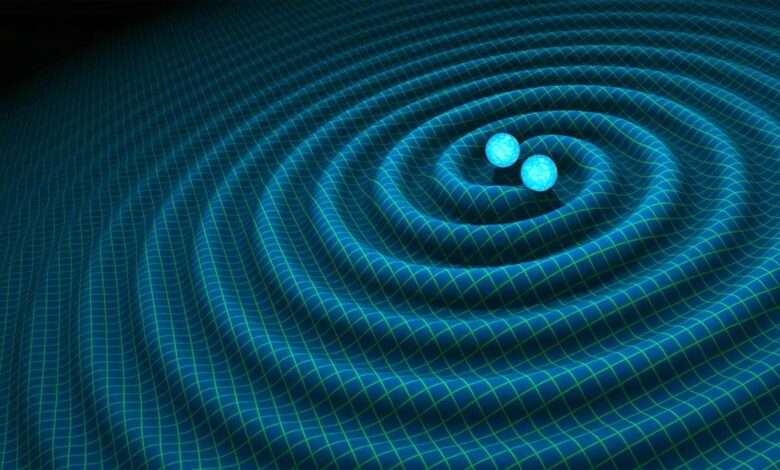
October’s Night Sky Notes: Let’s Go, LIGO!
by Kat Troche of the Astronomical Society of the Pacific September 2025 marks ten years since the first direct detection of gravitational waves as predicted by Albert Einstein’s 1916 theory of General Relativity. These invisible ripples in space were first directly detected by the Laser Interferometer Gravitational-Wave Observatory (LIGO). Traveling at the speed of light (~186,000 miles per second), these…
Read More » -
NASA
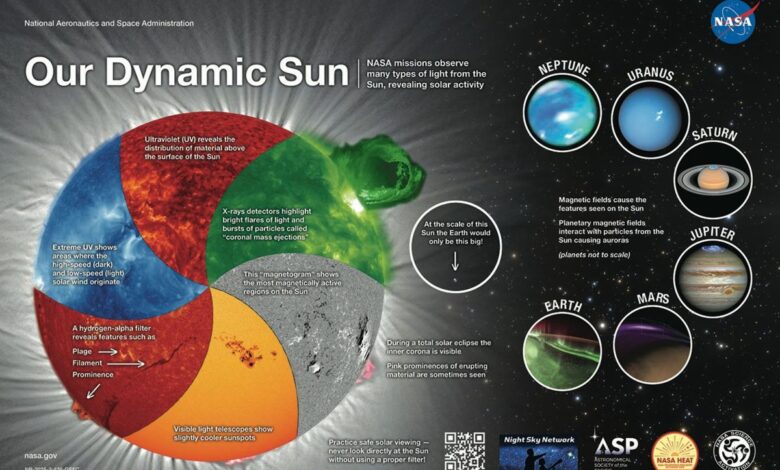
Explore Our Dynamic Sun!
from NASA’s Heliophysics Education Activation Team (NASA HEAT) and the Astronomical Society of the Pacific/Night Sky Network Have you ever wondered about what the Sun is made of? Or why do you get sunburned on even cloudy days? NASA’s new Explore the Sun toolkit brings the wonders of solar science to you, offering answers to these questions and more! Solar…
Read More » -
NASA

December’s Night Sky Notes: Spot the King of Planets
by Kat Troche of the Astronomical Society of the Pacific Jupiter is our solar system’s undisputed king of the planets! Jupiter is bright and easy to spot from our vantage point on Earth, helped by its massive size and banded, reflective cloud tops. Jupiter even possesses moons the size of planets: Ganymede, its largest, is bigger than the planet Mercury.…
Read More » -
NASA
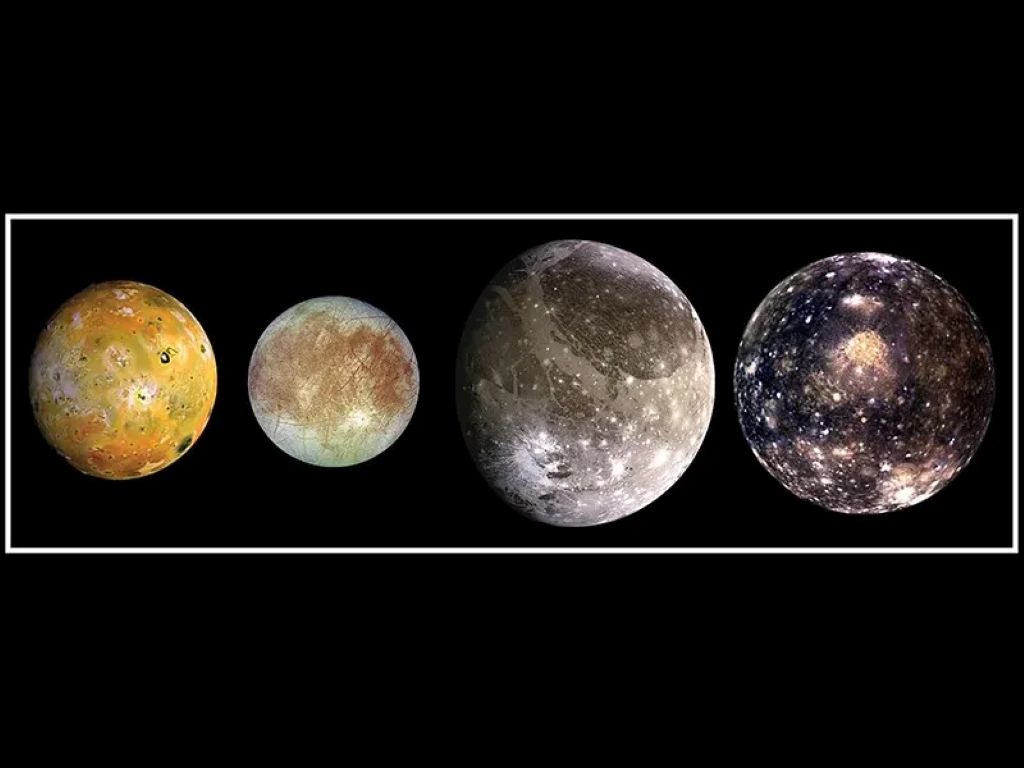
September’s Night Sky Notes: Marvelous Moons
by Kat Troche of the Astronomical Society of the Pacific September brings the gas giants Jupiter and Saturn back into view, along with their satellites. And while we organize celebrations to observe our own Moon this month, be sure to grab a telescope or binoculars to see other moons within our Solar System! We recommend observing these moons (and planets!)…
Read More » -
NASA
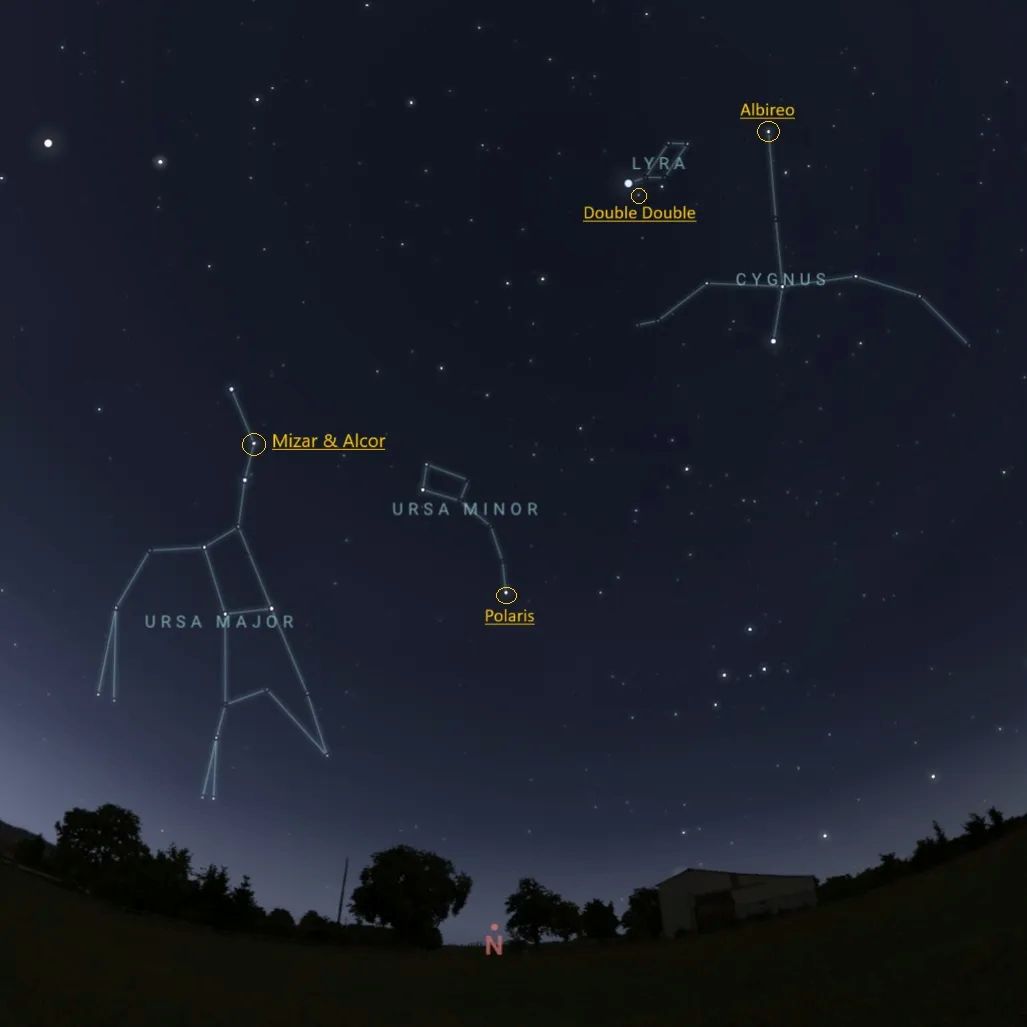
August’s Night Sky Notes: Seeing Double
by Kat Troche of the Astronomical Society of the Pacific During the summer months, we tend to miss the views of Saturn, Jupiter and other heavenly bodies. But it can be a great time to look for other items, like globular star clusters such as Messier 13, open star clusters such as the Coma Star Cluster (Melotte 111), but also double…
Read More » -
NASA

December’s Night Sky Notes: A Flame in the Sky – the Orion Nebula
by Kat Troche of the Astronomical Society of the Pacific It’s that time of year again: Winter! Here in the Northern Hemisphere, the clear, crisp sky offers spectacular views of various objects, the most famous of all being Orion the Hunter. As we’ve previously mentioned, Orion is a great way to test your sky darkness. With the naked eye, you can easily…
Read More » -
NASA
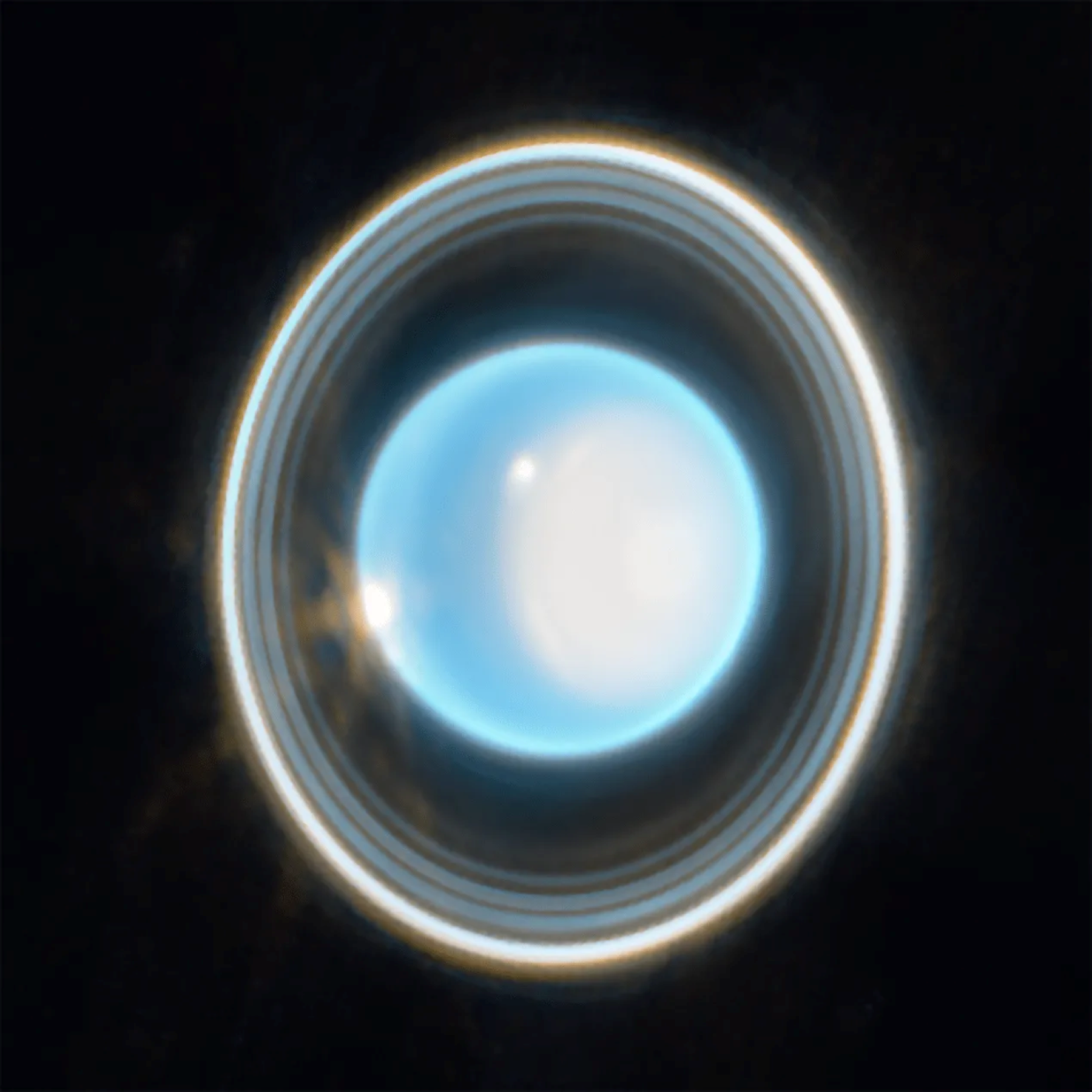
November’s Night Sky Notes: Spy the Seventh Planet, Uranus
by Liz Kruesi of the Astronomical Society of the Pacific You might be familiar with Saturn as the solar system’s ringed planet, with its enormous amount of dust and ice bits circling the giant planet. But Uranus, the next planet out from the Sun hosts an impressive ring system as well. The seventh planet was the first discovered telescopically instead…
Read More » -
NASA

NASA Citizen Scientist Wins Award from the Astronomical Society of the Pacific
The Astronomical Society of the Pacific (ASP), established in 1889, is a nonprofit organization that uses astronomy to increase the understanding and appreciation of science and to advance science and science literacy. This year, the ASP awarded the 2023 Gordon Myers Amateur Achievement Award to NASA Volunteer Dan Caselden for “reshaping the understanding of what is possible in volunteer-research”. A Principal Software Engineer at…
Read More »