
Astronomy
-
NASA
Astronomy Picture of the Day
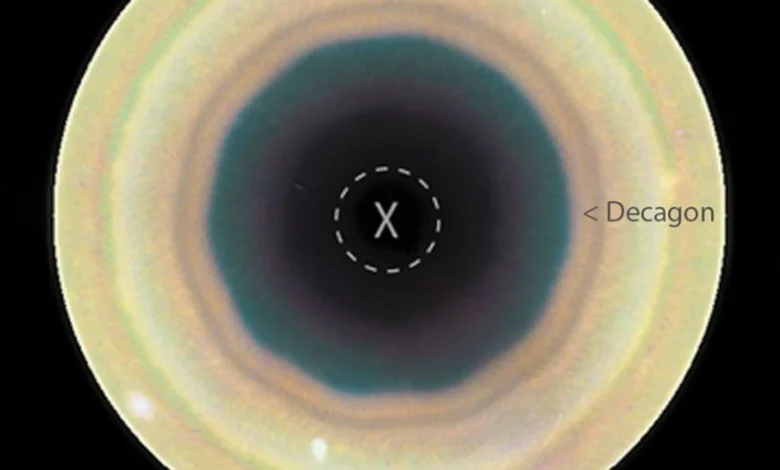
Hubble: Decagon Around Saturn’s South Pole Explanation: Why are Saturn’s poles geometric? Saturn’s North Pole has been known to be surrounded by a hexagonal (6 sides) cloud since discovery in 1987 in data taken by NASA’s Voyager spacecrafts, which quickly flew past the ringed world in the early 1980s. Now, recent observations of Saturn by the Hubble Space Telescope reveal a slightly different geometric cloud pattern around the South Pole: a decagon (10 sides).…
Read More » -
NASA
Astronomy Picture of the Day
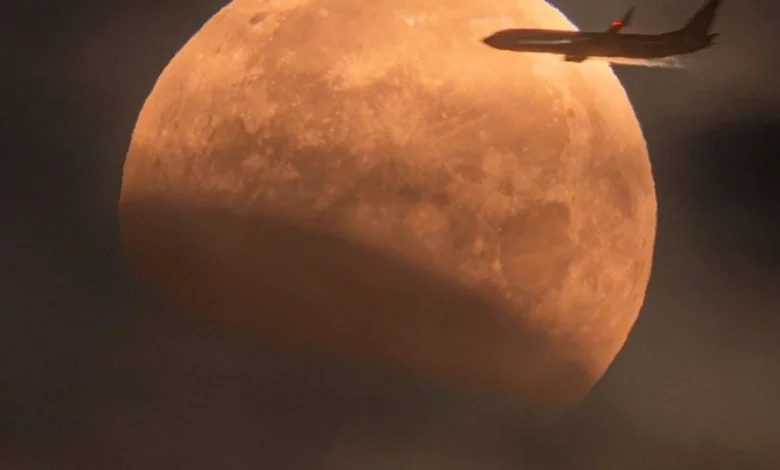
Discover the cosmos! Each day a different image or photograph of our fascinating universe is featured, along with a brief explanation written by a professional astronomer. A Plane Lunar Eclipse Explanation: Did you need to be on the right side of this airplane to see this eclipse? No. Lunar eclipses are routinely seen from the half of the Earth facing the Moon when the eclipse occurs,…
Read More » -
NASA
Astronomy Picture of the Day
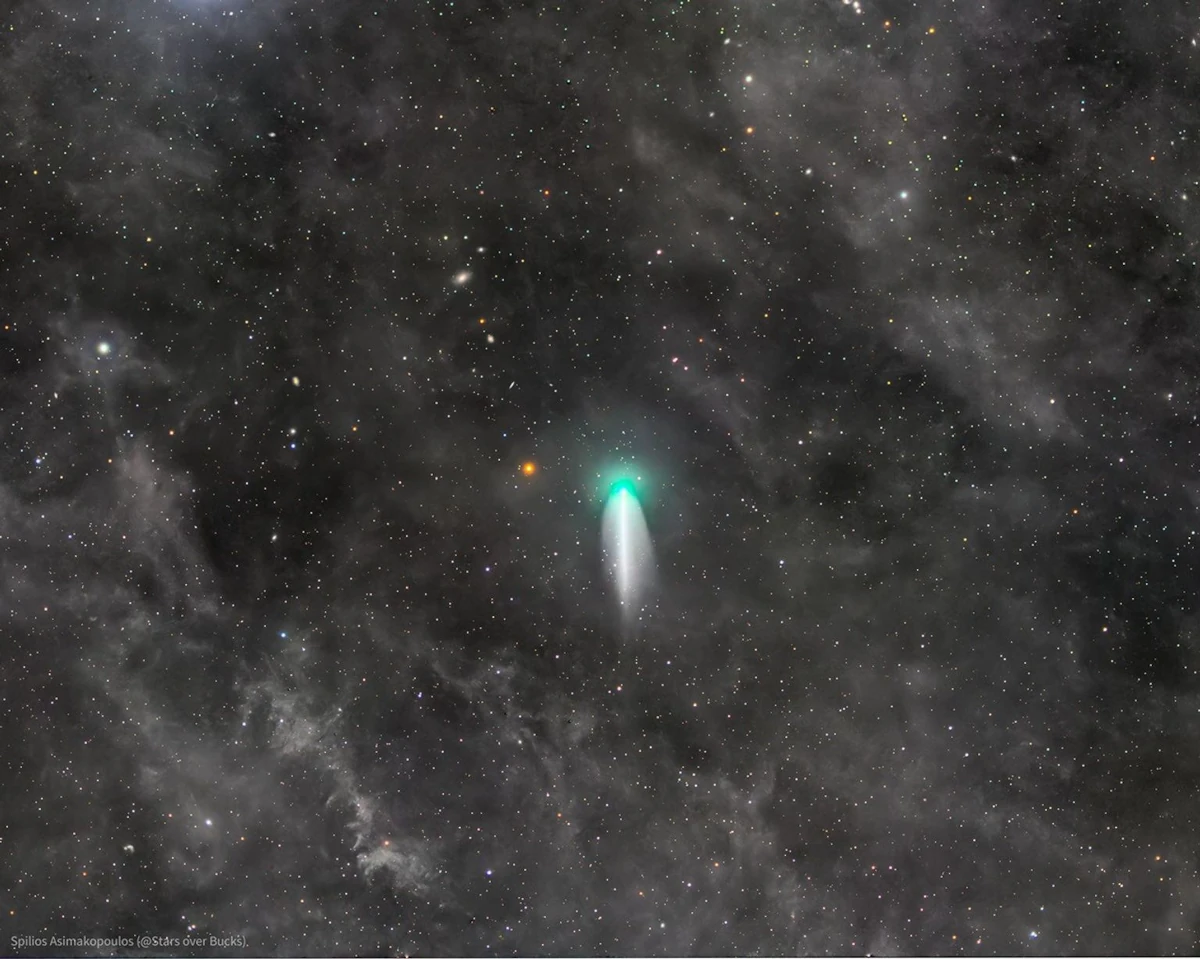
Comet 220P in Outburst Explanation: Comet 220P is unexpectedly bright. Normally, periodic Comet 220P/McNaught is so dim that to see it requires a telescope. Two surprising outbursts this year, however, have made it about 20,000 times brighter than usual, so that it is now visible with binoculars and long-duration camera exposures. As expected, Comet 220P continues to orbit the Sun between Mars and Jupiter with a period of over 5…
Read More » -
NASA

Community College Instructors Bring Astronomy Textbook Into 21st Century
Teaching the beautiful and inspirational science of astronomy using only the conceptual framework offered by a traditional textbook – without incorporating the wealth of incredible resources, images and activities from NASA – falls short of the more modern, active learning experience that could better serve students evolving learning strategies. Three project teams from the NASA Science Activation (SciAct) program – NASA…
Read More » -
NASA
Astronomy Picture of the Day
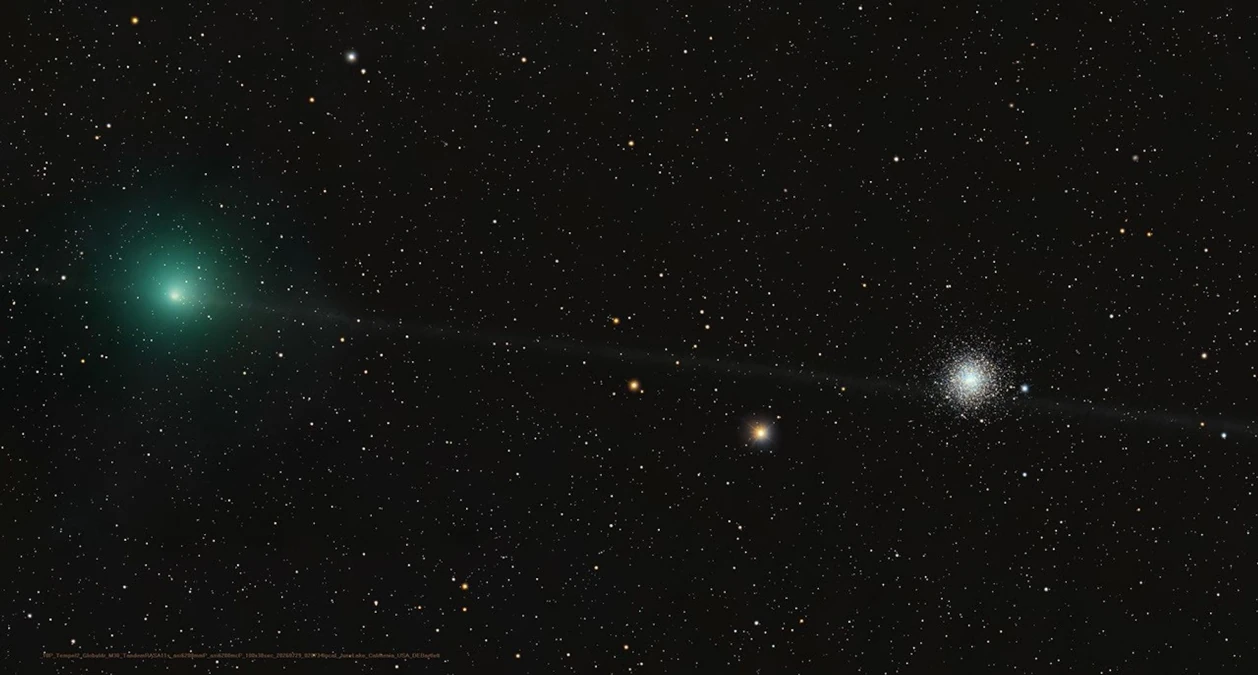
A Messier Moment for Tempel 2 Explanation: Which of these is not a comet? You guessed it – the one on the right is a globular star cluster. The diffuse greenish coma of periodic comet 10P/Tempel 2 is at left in the frame. In fact the globular star cluster is Messier 30, also known as M30, or the 30th entry in astronomer Charles Messier’s catalog of…
Read More » -
NASA
Astronomy Picture of the Day
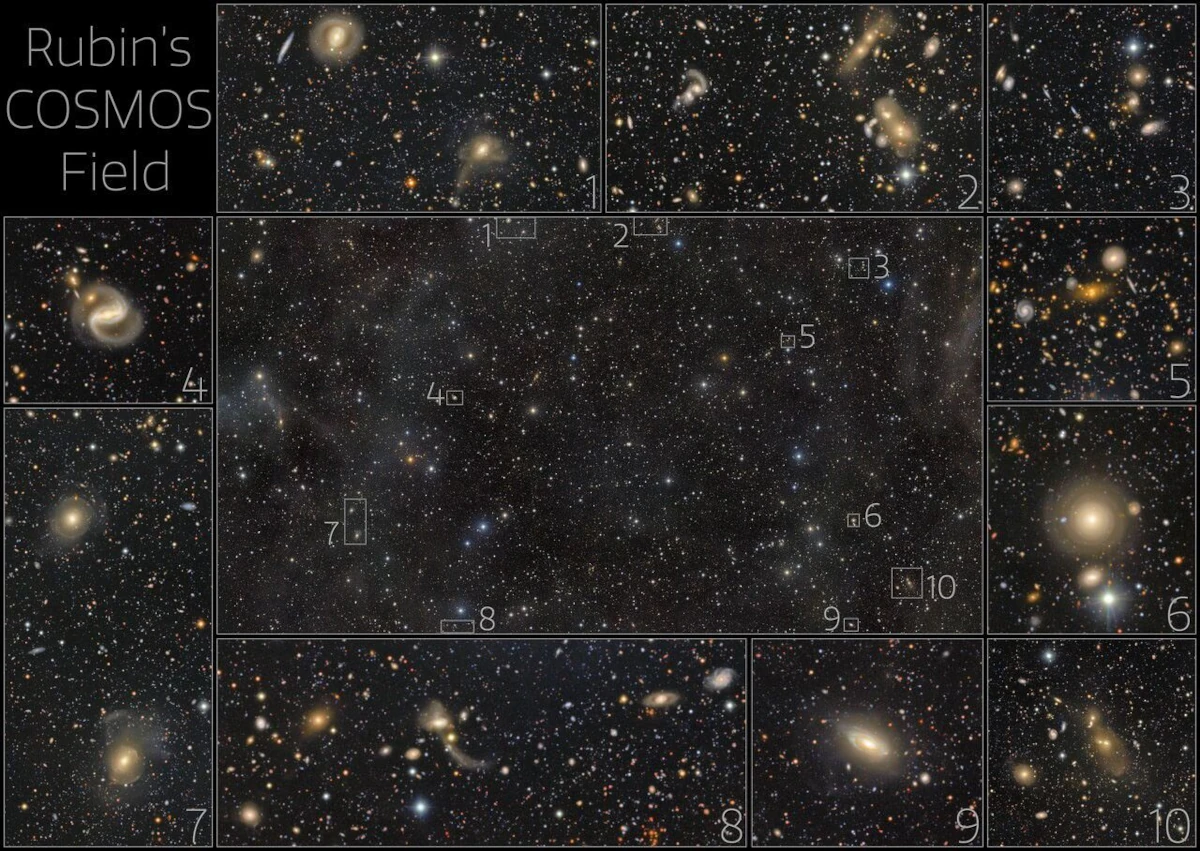
Rubin’s COSMOS Field Explanation: There are more than half a million galaxies in the central panel of this image from the NSF-DOE Vera C. Rubin Observatory in Chile. This is the COSMOS field, a patch of sky several times larger than the full moon, first observed by Hubble. It has also been observed by Webb and other telescopes because it contains comparatively few bright stars from our own galaxy, offering a relatively unimpeded view of…
Read More » -
NASA

Astronomy Picture of the Day
Discover the cosmos! Each day a different image or photograph of our fascinating universe is featured, along with a brief explanation written by a professional astronomer. Spokes on Saturn’s B Ring Explanation: Don’t get spooked by Saturn’s ghostly spokes! Today we feature a nearly two-hour timelapse of Saturn and its rings looping forwards and backwards. If you look closely, a ghoulish shadow…
Read More » -
NASA
Astronomy Picture of the Day
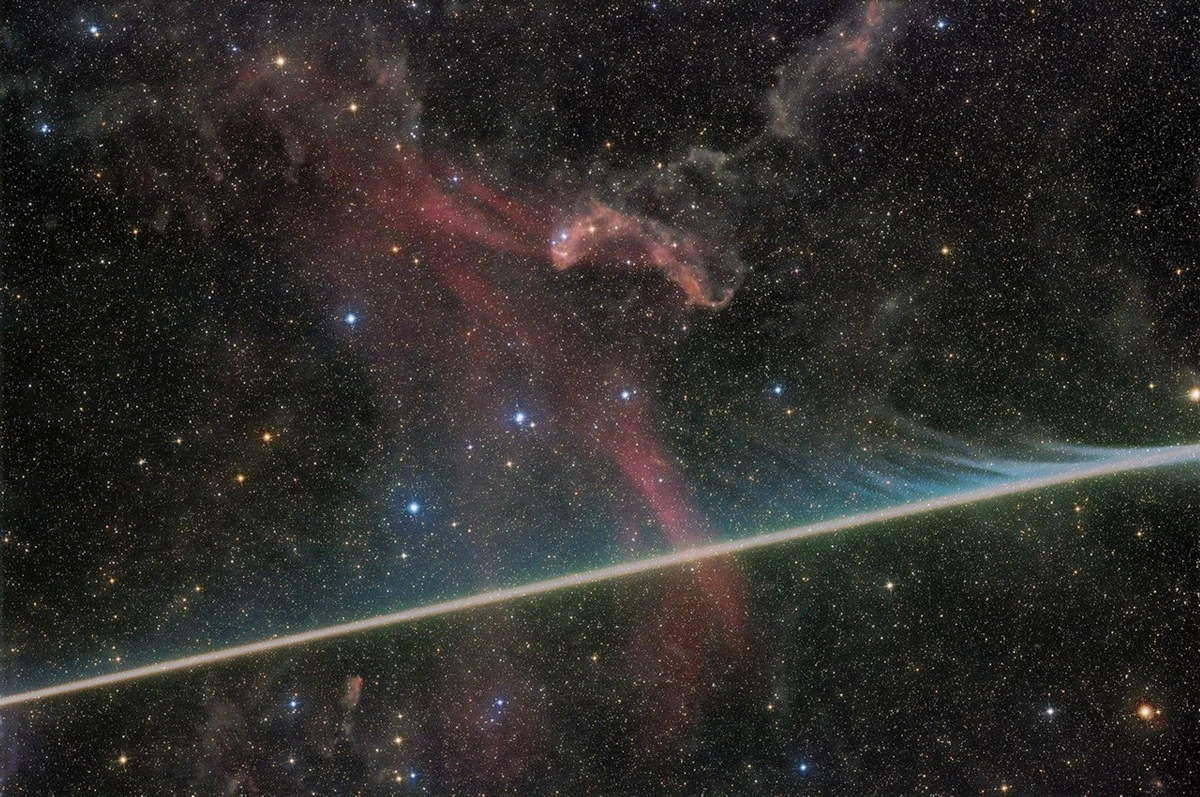
Vaporizing Meteor Photobombs the Lacerta Nebula Explanation: What’s happening to this meteor? This bright meteor streak appeared and disappeared quickly during a long exposure of the Great Lacerta Nebula, seen faintly in red toward the center of the image. The meteoroid, likely a small pebble, creates its glow partly by heating and exciting surrounding air in Earth’s atmosphere, but itself vaporizes and leaves wind-blown gas and dust with colors that…
Read More » -
NASA
Astronomy Picture of the Day
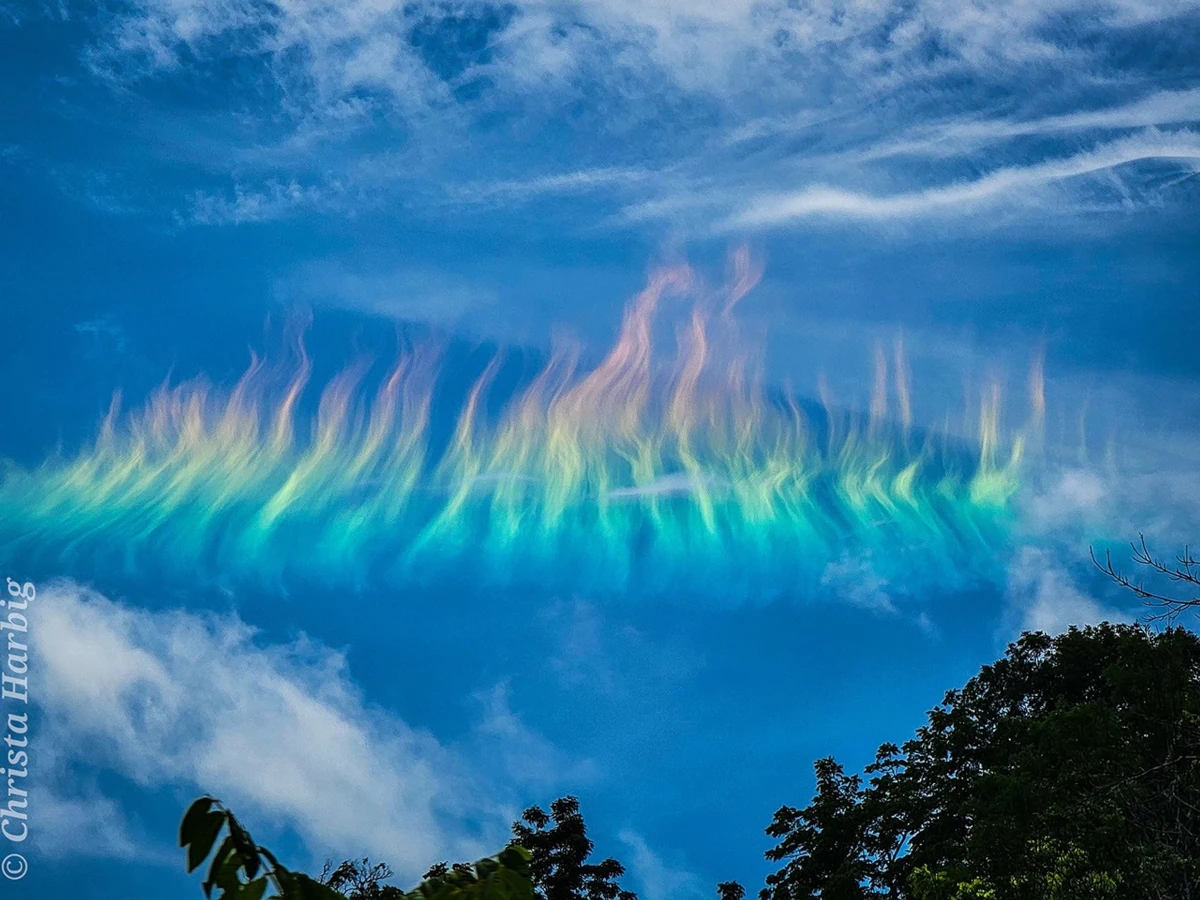
A Fire Rainbow over West Virginia Explanation: What’s happening to this cloud? Ice crystals in a distant cirrus cloud are acting like little floating prisms. Known informally as a fire rainbow for its flame-like appearance, a circumhorizon arc appears parallel to the horizon. For a circumhorizontal arc to be visible, the Sun must be at least 58 degrees high in a sky where cirrus clouds present below — in this…
Read More » -
NASA
Astronomy Picture of the Day
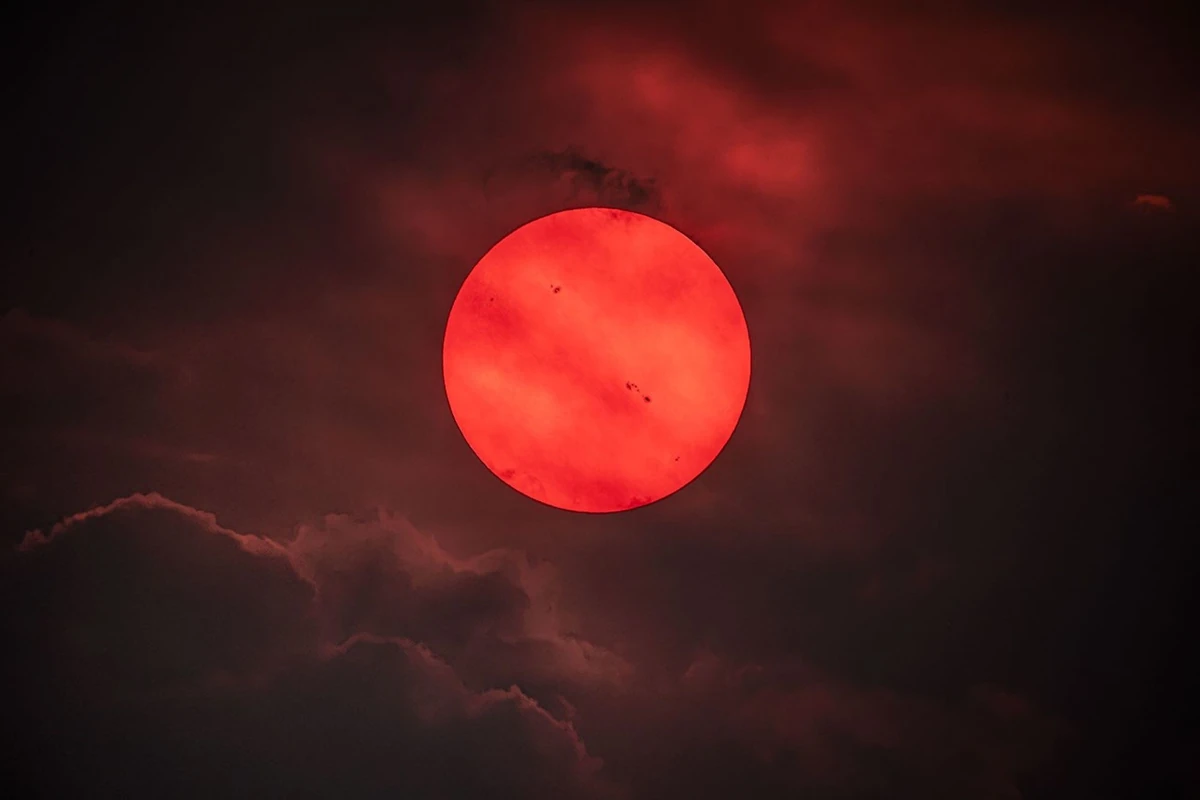
Red Sun through Wildfire Smoke Explanation: This could be the view from an exoplanet orbiting around a red dwarf star, but it is our own Sun. This image of was taken on July 22, 2026, in the Okanagan region in the Canadian province of British Columbia. Wildfire smoke from the Pacific Northwest acted as a solar filter, allowing the photographer to take this photo of the Sun directly. Several sunspots are also visible in this eerie image;…
Read More »