BODY Vodka Partners with Next Century Spirits to Expand Distribution

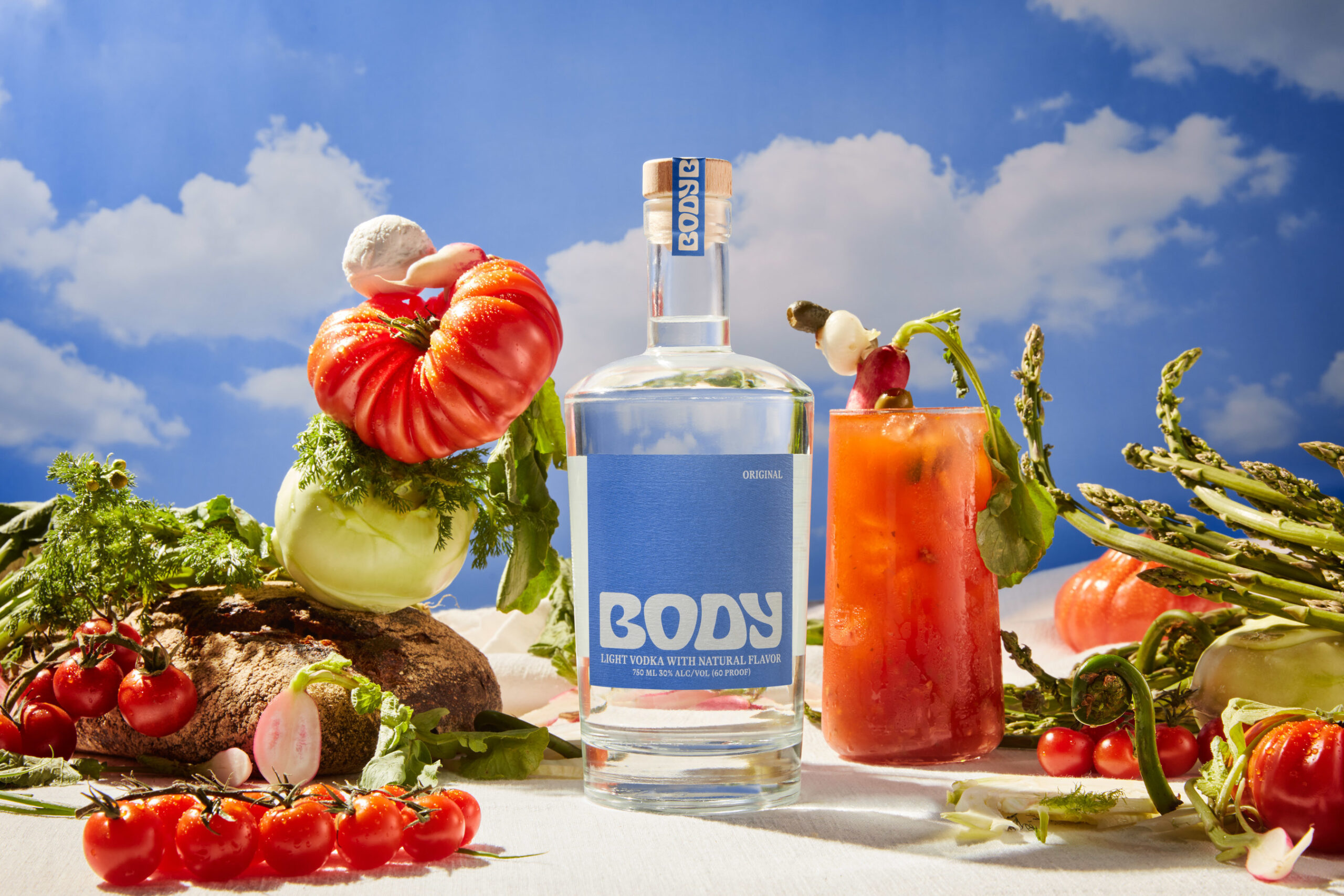
BODY, the female-founded, lower-proof vodka brand created by entrepreneur Jilly Hendrix, announces today its partnership with Next Century Spirits, a tech-enabled spirits company with a distributor network spanning the country. Just two months after launching, BODY is the first Next Century Spirits third party customer to become integrated into their brand portfolio, Next Century Brand Group.
BODY’s partnership with Next Century Spirits allows for vertical integration and expansion across the United States, with launch markets for the first six months targeting AZ, CA, CO, CT, FL, MI, NJ, NY, NC, TN, and TX. Next Century Spirits will support BODY in distribution expansion, inventory management and logistics, in market execution, and sales growth.
“Body Vodka has been amazing to work with from the minute I met them with their unmet passion and drive to make this brand successful at all costs.” Anthony Moniello, Co-CEO NCS, said. “We know that being able to provide our sales expertise, industry consulting experience and execution abilities in addition with our production, we can support Body to become the full-bodied, light vodka for the more conscious consumer for years to come.”
“We’re thrilled to partner with Next Century Spirits to introduce BODY to even more consumers throughout the country,” said Jilly Hendrix, Founder and CEO of BODY. “As a new brand entering the growing low-proof spirits space, this partnership allows us to rapidly expand the national presence of our premium, low-ABV vodka.”
BODY (SRP $24.99/bottle) is a female-founded and operated brand with a mission to redefine the drinking experience. BODY vodka has 25% less alcohol than standard 80-proof vodka, and is a ten-times distilled, sustainable spirit that has just a touch of 100% organic, pure bee-pollinated agave nectar. It is made with non-GMO Indiana corn and water softened by limestone, leaving it alkaline with a light, silky smooth taste.
To learn more, visit www.drinkbody.com or follow along @drinkbody.
Press contact: Meredith Sidman, [email protected], 9145880518
ABOUT BODY
BODY Vodka is a low-ABV vodka created by entrepreneur Jilly Hendrix as an alternative option to standard 80-proof vodkas. The spirit has 25% less alcohol than standard alternatives on the market and features a 30% ABV (60 proof) recipe that’s ten-times distilled for the best-quality final product. BODY is made with non-GMO corn and organic agave nectar for a clean, smooth finish with no remaining sugar.
ABOUT NEXT CENTURY SPIRITS
Next Century Spirits (NCS) is a leading beverage alcohol supplier behind some of the country’s most coveted beverage brands . . .
Using their proprietary finishing & blending technology, NCS produces differentiated spirits brands including owned brands/celebrity partnerships, B2B sales, and white label spirits production. Next Century Spirits own brands have also quickly become some of the most exciting new beverage alcohol brands on the market, including Bear Fight American Single Malt Whiskey, Creek Water American Whiskey, and Caddy Cocktails, with 105+ awards secured to-date across the company’s portfolio of products.
Whether it’s through their own brands or through collaborations with notable partners, Next Century Spirits is a leader in spirits innovation.
To learn more about our services in addition to our own award-winning portfolio of products, visit https://nextcenturyspirits.com/ and or check us out on Instagram or Facebook.