
Aurora Borealis
-
NASA

Red, Green Light Show
A green and red aurora streams across Earth’s horizon above the city lights of Europe in this Jan. 19, 2026, photograph, which looks north across Italy toward Germany. The International Space Station was orbiting 262 miles above the Mediterranean Sea at approximately 10:02 p.m. local time when the image was captured. Also known as the northern lights (aurora borealis) or southern lights…
Read More » -
NASA
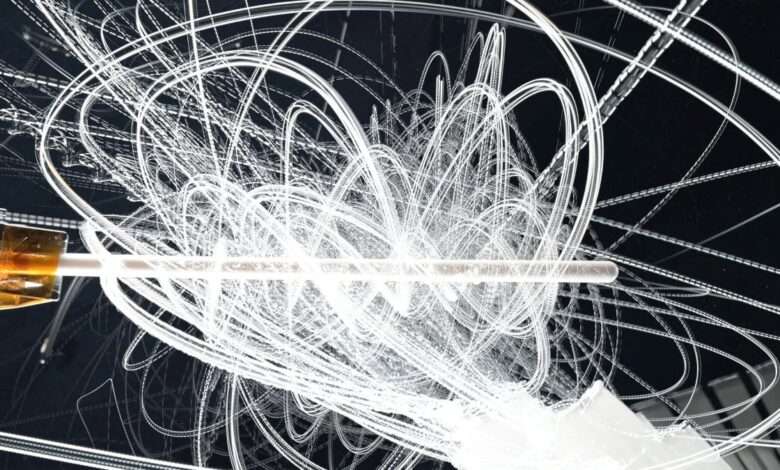
Water Droplet Science
NASA astronaut Don Pettit demonstrates electrostatic forces using charged water droplets and a knitting needle made of Teflon. This series of overlapping frames from Feb. 19, 2025, displays the unique attraction-repulsion properties of Teflon and charged droplets, similar to how charged particles from the Sun behave when they come in contact with Earth’s magnetic field. Highly energetic particles from space that collide…
Read More » -
NASA
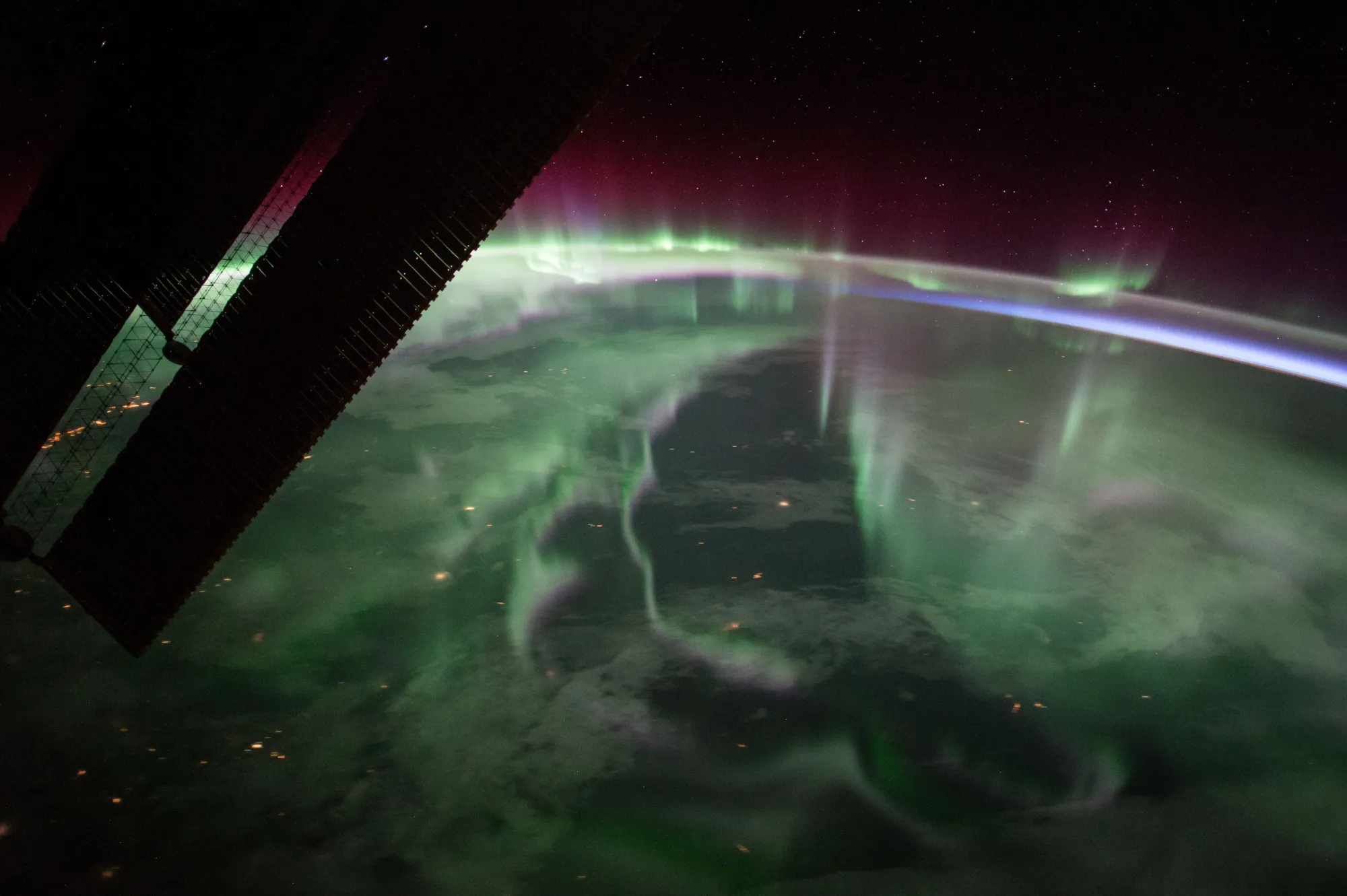
Festive Northern Lights
The aurora borealis adds a bit of flair to our home planet in this image taken from the International Space Station on Sept. 15, 2017. This phenomenon happens because the Sun bathes Earth in a steady stream of energetic particles, magnetic fields and radiation that can stimulate our atmosphere and light up the night sky. When this happens in the Southern Hemisphere, it is…
Read More »