
Carbon Dioxide
-
NASA
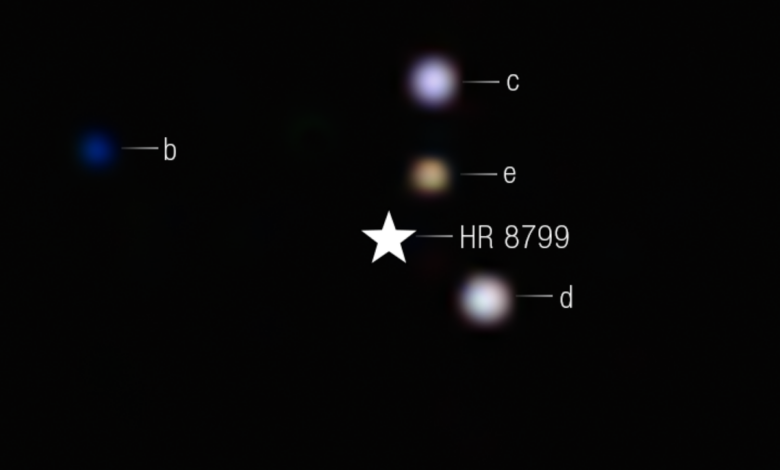
NASA’s Webb Images Young, Giant Exoplanets, Detects Carbon Dioxide
NASA’s James Webb Space Telescope has captured direct images of multiple gas giant planets within an iconic planetary system. HR 8799, a young system 130 light-years away, has long been a key target for planet formation studies. The observations indicate that the well-studied planets of HR 8799 are rich in carbon dioxide gas. This provides strong evidence that the system’s…
Read More » -
NASA
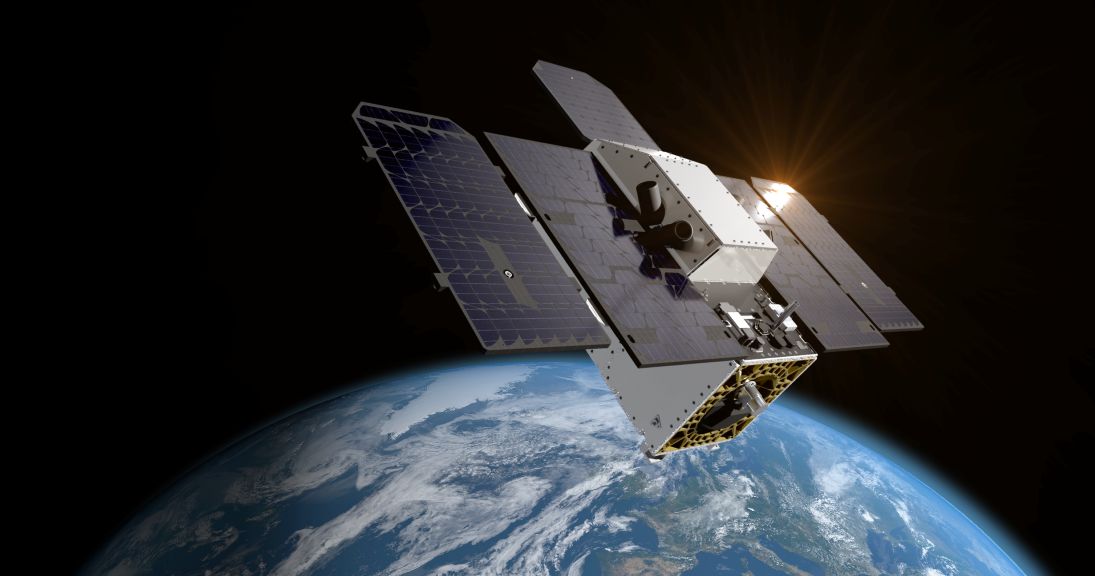
NASA-Designed Greenhouse Gas-Detection Instrument Launches
Developed by the agency’s Jet Propulsion Laboratory, the imaging spectrometer will provide actionable data to help reduce emissions that contribute to global warming. Tanager-1, the Carbon Mapper Coalition’s first satellite, which carries a state-of-the-art, NASA-designed greenhouse-gas-tracking instrument, is in Earth orbit after lifting off aboard a SpaceX Falcon 9 rocket from Space Launch Complex 4E at Vandenberg Space Force Base…
Read More » -
NASA

Watch Carbon Dioxide Move Through Earth’s Atmosphere
What we’re looking at This global map shows concentrations of carbon dioxide as the gas moved through Earth’s atmosphere from January through March 2020, driven by wind patterns and atmospheric circulation. Because of the model’s high resolution, you can zoom in and see carbon dioxide emissions rising from power plants, fires, and cities, then spreading across continents and oceans. Global…
Read More » -
Green Tech

NextEra Energy establishes carbon dioxide emissions rate reduction target as part of its commitment to creating a sustainable energy future
JUNO BEACH, Fla., Sept. 6, 2018 /PRNewswire/ — NextEra Energy, Inc. (NYSE: NEE) today announced that it has established a target for the reduction of the company’s carbon dioxide (CO2) emissions rate. Since 2001, the company has reduced its CO2 emissions rate by 52 percent, and it plans to continue this commitment by establishing a target to reduce the rate more than 65 percent…
Read More »