
cASSINI
-
NASA
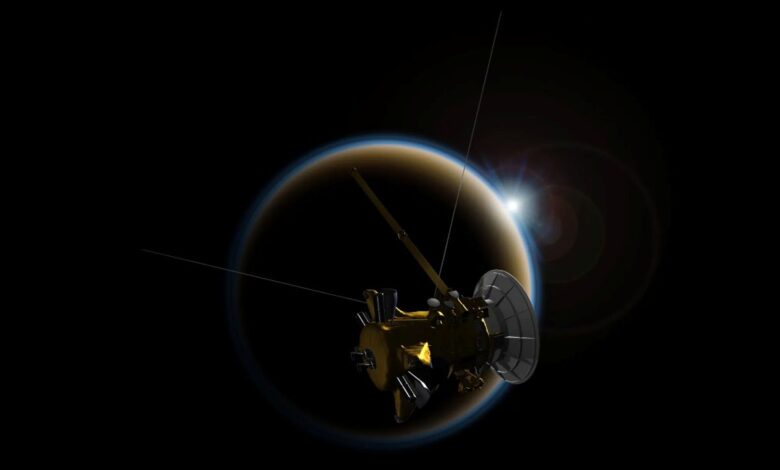
NASA Study Suggests Saturn’s Moon Titan May Not Have Global Ocean
A key discovery from NASA’s Cassini mission in 2008 was that Saturn’s largest moon Titan may have a vast water ocean below its hydrocarbon-rich surface. But reanalysis of mission data suggests a more complicated picture: Titan’s interior is more likely composed of ice, with layers of slush and small pockets of warm water that form near its rocky core. Led…
Read More » -
NASA
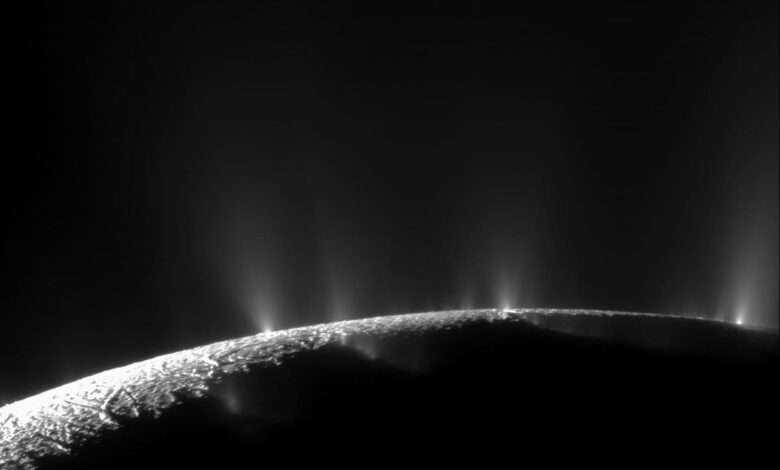
NASA Cassini Study Finds Organics ‘Fresh’ From Ocean of Enceladus
Researchers dove deep into information gathered from the ice grains that were collected during a close and super-fast flyby through a plume of Saturn’s icy moon. A new analysis of data from NASA’s Cassini mission found evidence of previously undetected organic compounds in a plume of ice particles ejected from the ocean that lies under the frozen shell of Saturn’s…
Read More » -
NASA
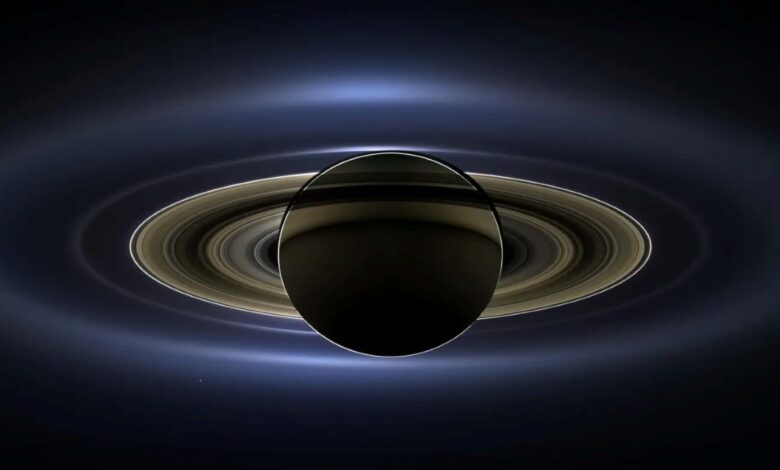
The Day Earth Smiled
On July 19, 2013, NASA’s Cassini spacecraft had a rare opportunity to image Saturn and, far in the background, Earth. This image spans about 404,880 miles (651,591 kilometers) across. With the Sun’s powerful and potentially damaging rays eclipsed by Saturn itself, Cassini’s onboard cameras were able to take advantage of this unique viewing geometry. They acquired a panoramic mosaic of the Saturn…
Read More » -
NASA
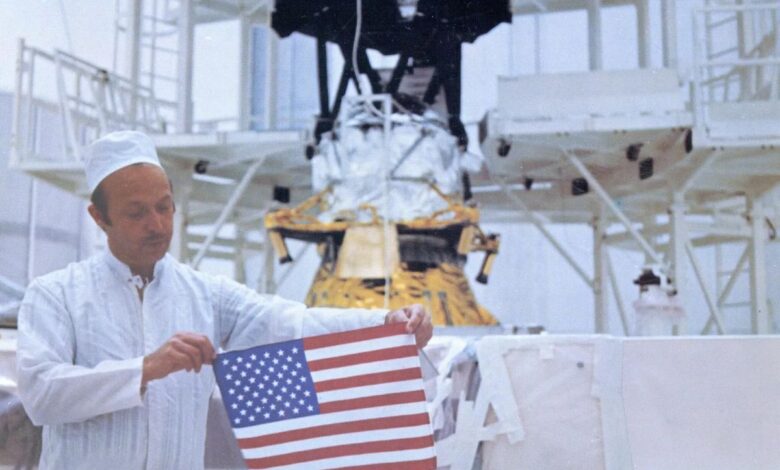
John Casani, Former Manager of Multiple NASA Missions, Dies
During his work on several historic missions, Casani rose through a series of technical and management positions, making an indelible mark on the nation’s space program. John R. Casani, a visionary engineer who served a central role in many of NASA’s historic deep space missions, died on Thursday, June 19, 2025, at the age of 92. He was preceded…
Read More » -
NASA

Cassini Mission: 5 Things to Know About NASA Lewis’ Last Launch
NASA’s ambitious Cassini mission to Saturn in the late 1990s was one of the agency’s greatest accomplishments, providing unprecedented revelations about the esoteric outer planet and its moons. The complex undertaking was also a tremendous, yet bittersweet, achievement for the Lewis Research Center (today, NASA’s Glenn Research Center in Cleveland), which oversaw the rockets that propelled Cassini to Saturn. Cassini…
Read More » -
NASA
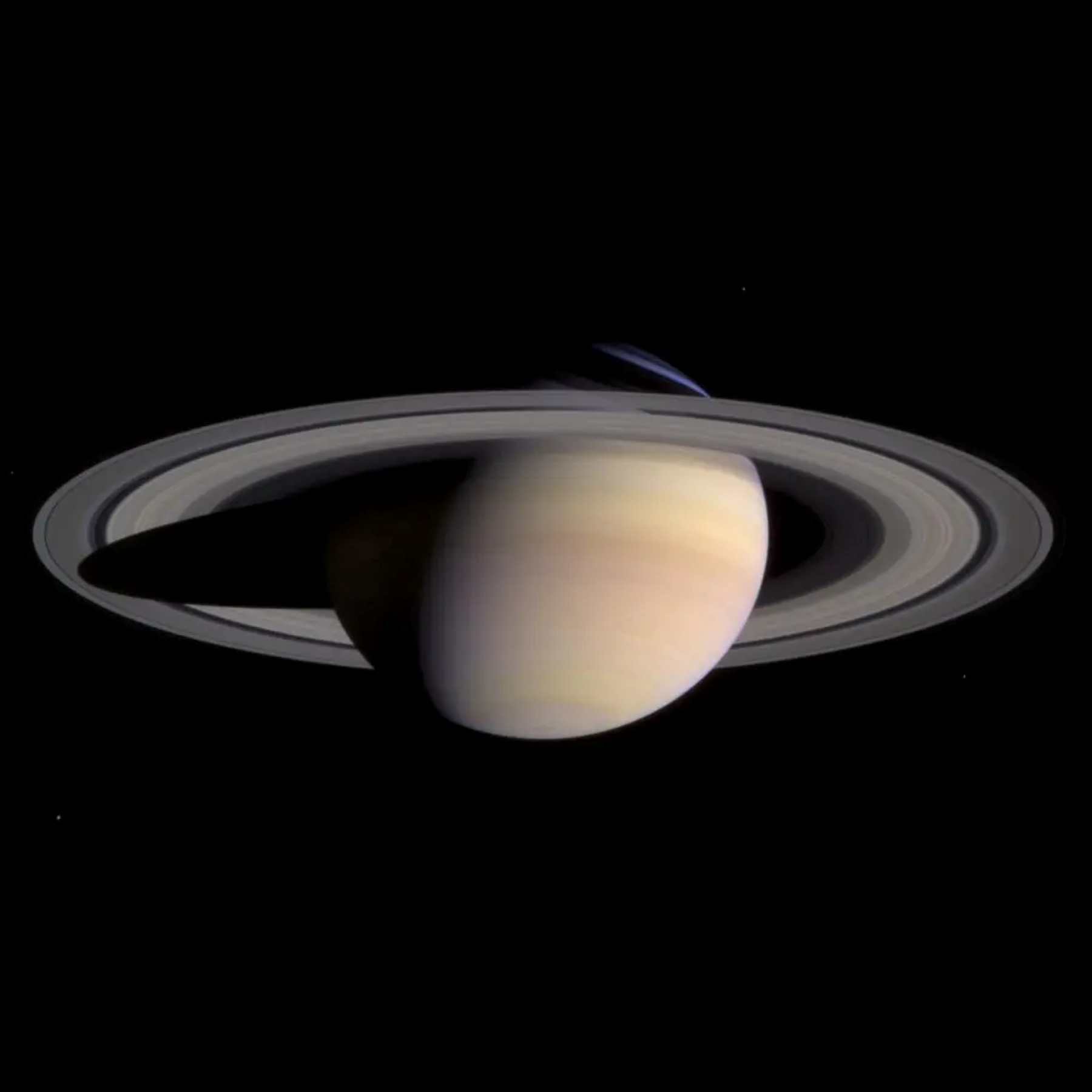
Cassini Sees Saturn
The Cassini-Huygens spacecraft captured this last “eyeful” of Saturn and its rings on March 27, 2004, as it continued its way to orbit insertion. This natural color image shows the color variations between atmospheric bands and features in the southern hemisphere of Saturn, subtle color differences across the planet’s middle B ring, as well as a bright blue sliver of light in…
Read More » -
NASA
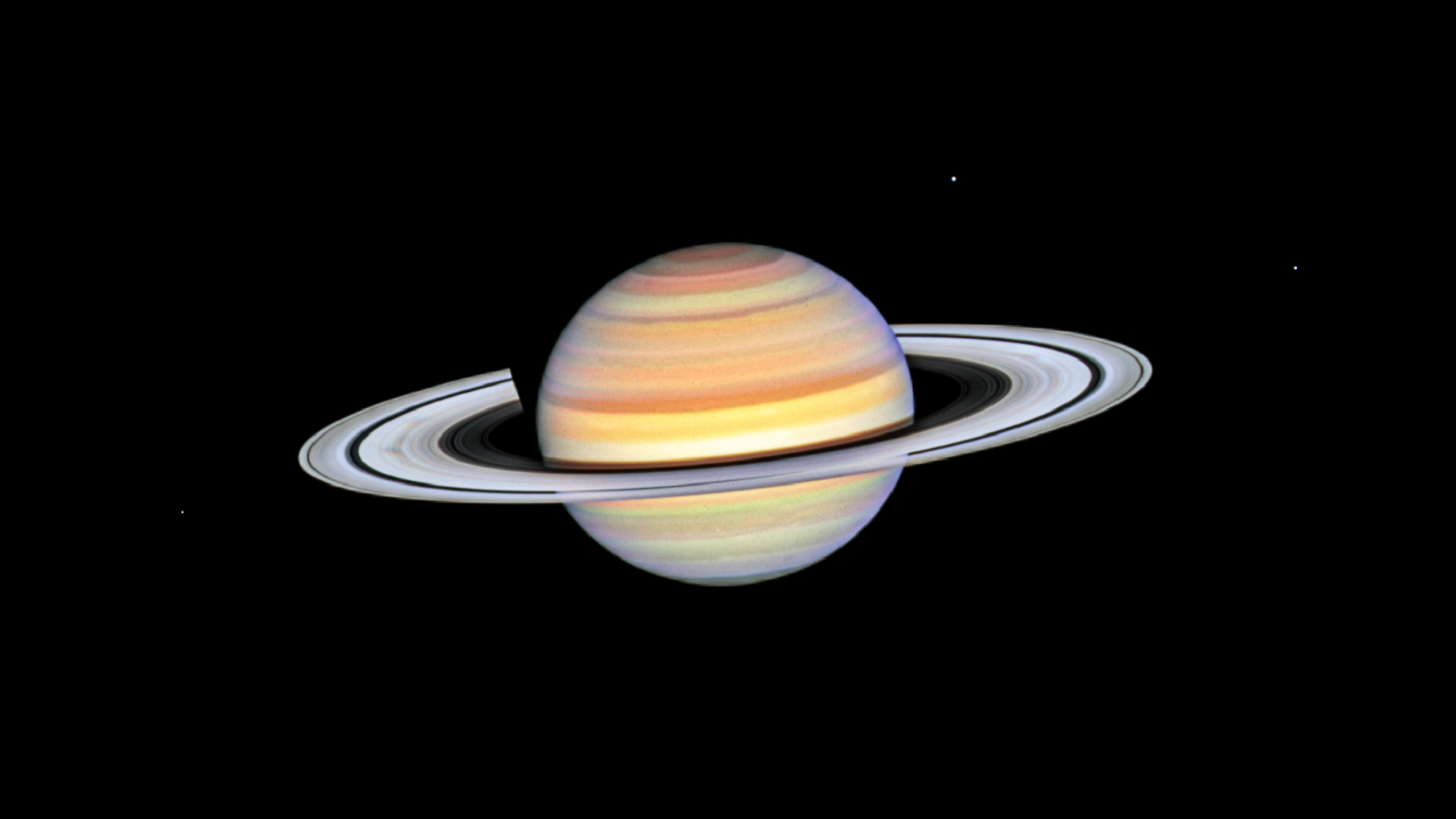
NASA’s Hubble Watches ‘Spoke Season’ on Saturn
This photo of Saturn was taken by NASA’s Hubble Space Telescope on October 22, 2023, when the ringed planet was approximately 850 million miles from Earth. Hubble’s ultra-sharp vision reveals a phenomenon called ring spokes. Saturn’s spokes are transient features that rotate along with the rings. Their ghostly appearance only persists for two or three rotations around Saturn. During active periods, freshly-formed…
Read More » -
NASA
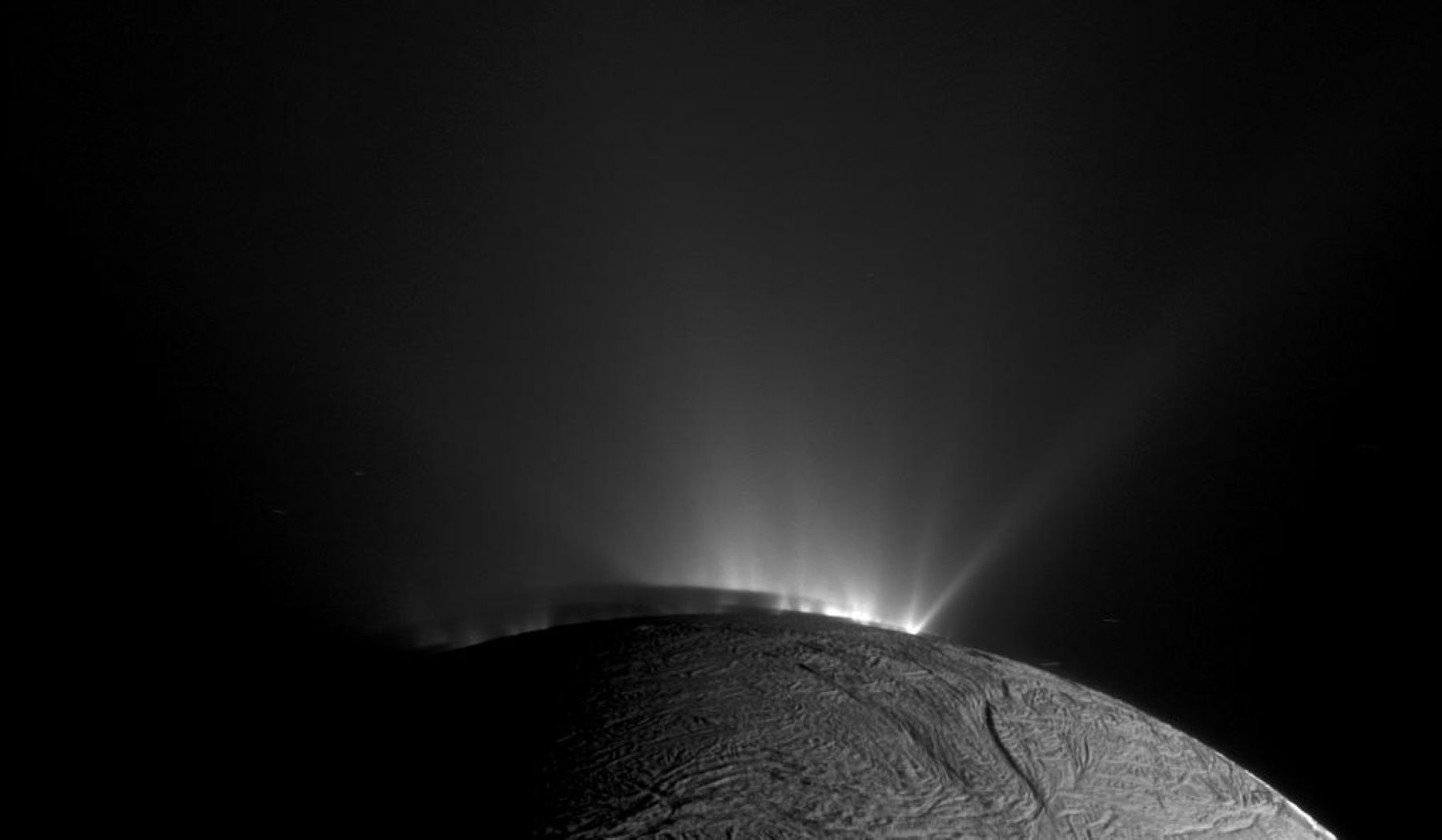
NASA Study Finds Life-Sparking Energy Source and Molecule at Enceladus
A study zooms in on data that NASA’s Cassini gathered at Saturn’s icy moon and finds evidence of a key ingredient for life and a supercharged source of energy to fuel it. Scientists have known that the giant plume of ice grains and water vapor spewing from Saturn’s moon Enceladus is rich with organic compounds, some of which are important…
Read More » -
NASA
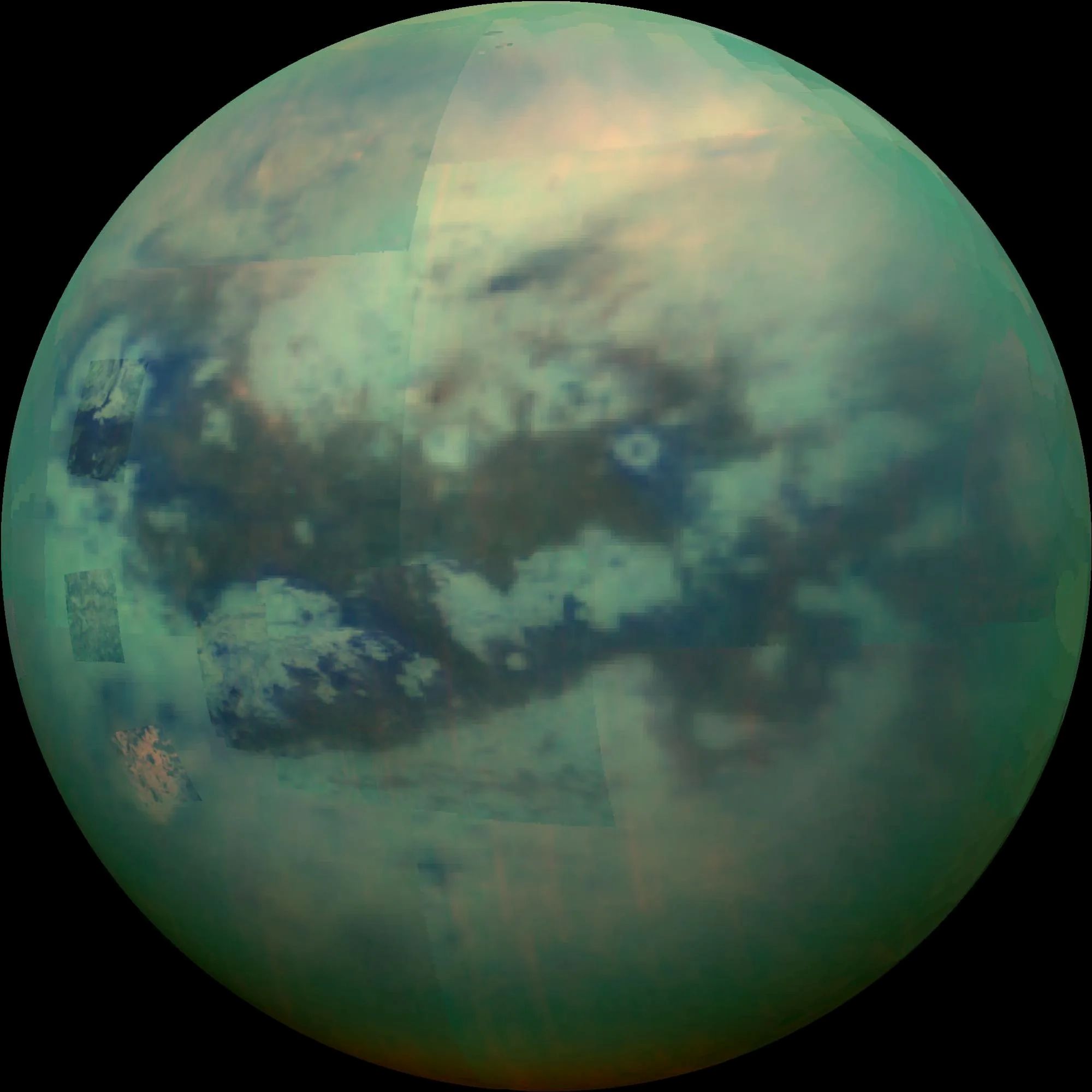
Cassini 10 Years at Saturn Top Images
The Cassini team is proud to celebrate 10 years since arriving at Saturn with this collection of images selected by members of the team. Enceladus North Pole Montage Peering Through Titan’s Haze Water World Created with GIMP Enceladus Up-Close Saturnian Snowman A Fractured Pole Imminent Approach to Dione Red Arcs on Tethys Spongy Surface Serene Saturn Simulations of the Tendrils
Read More » -
NASA
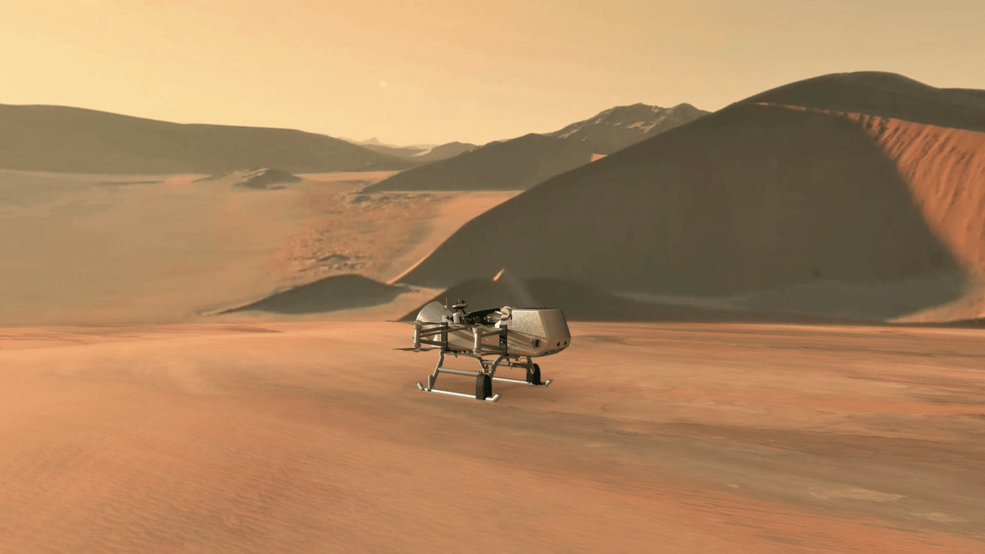
NASA’s Dragonfly Will Fly Around Titan Looking for Origins, Signs of Life
NASA has announced that our next destination in the solar system is the unique, richly organic world Titan. Advancing our search for the building blocks of life, the Dragonfly mission will fly multiple sorties to sample and examine sites around Saturn’s icy moon. Dragonfly will launch in 2026 and arrive in 2034. The rotorcraft will fly to dozens of promising…
Read More »