
Chandra X-Ray Observatory
-
NASA
Pretty in Pink
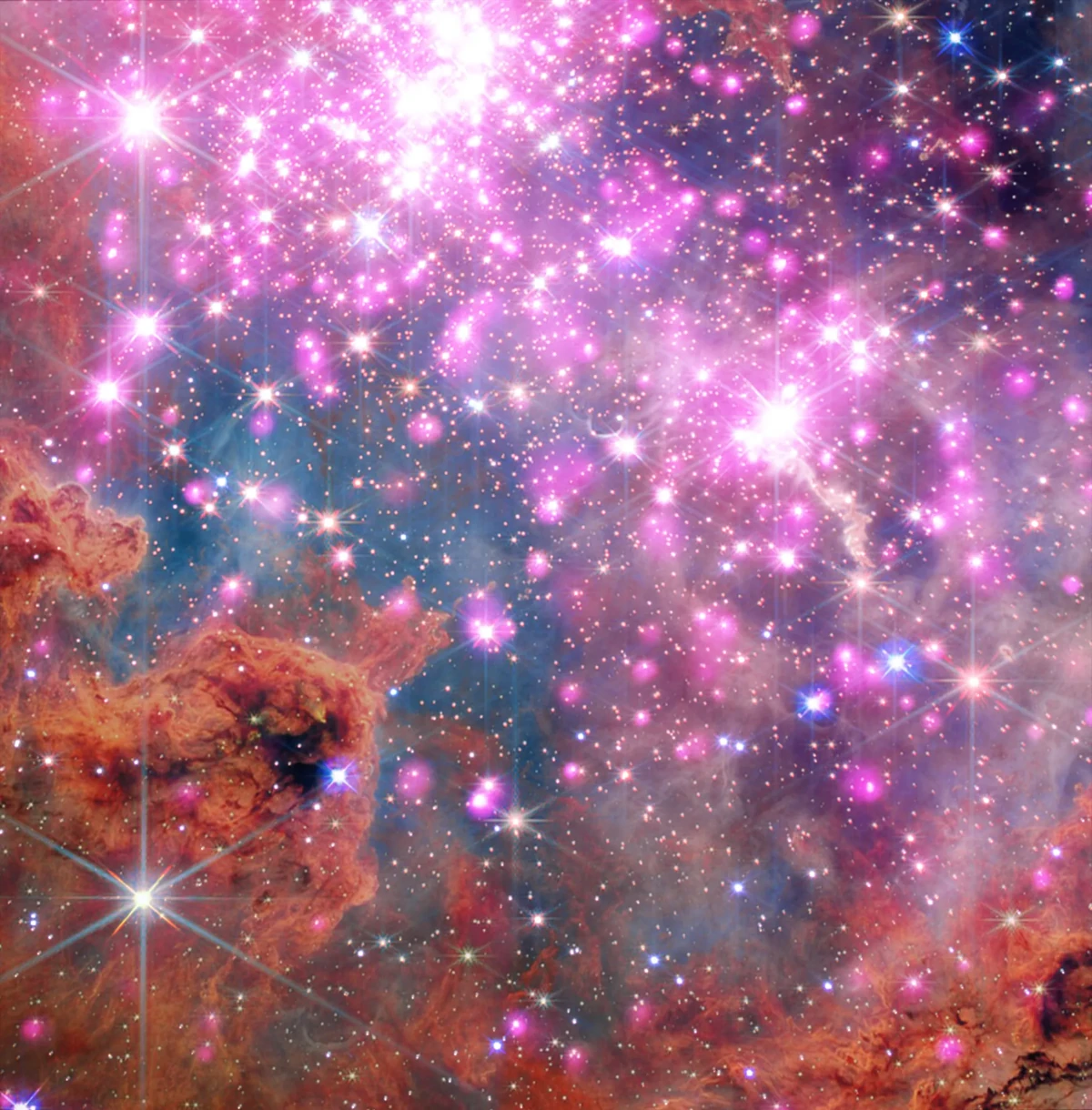
This image of Westerlund 2 released on March 19, 2026, features Chandra X-ray Observatory data (pink) and infrared data from NASA’S James Webb Space Telescope (red, orange, green, cyan, and blue). Scores of gleaming stars ringed in neon pink stretch across the frame, highlighting a cluster where stars are between one and three million years old. Brick-orange dust clouds along the bottom…
Read More » -
NASA
Unlocking the Mystery of X-ray Dots
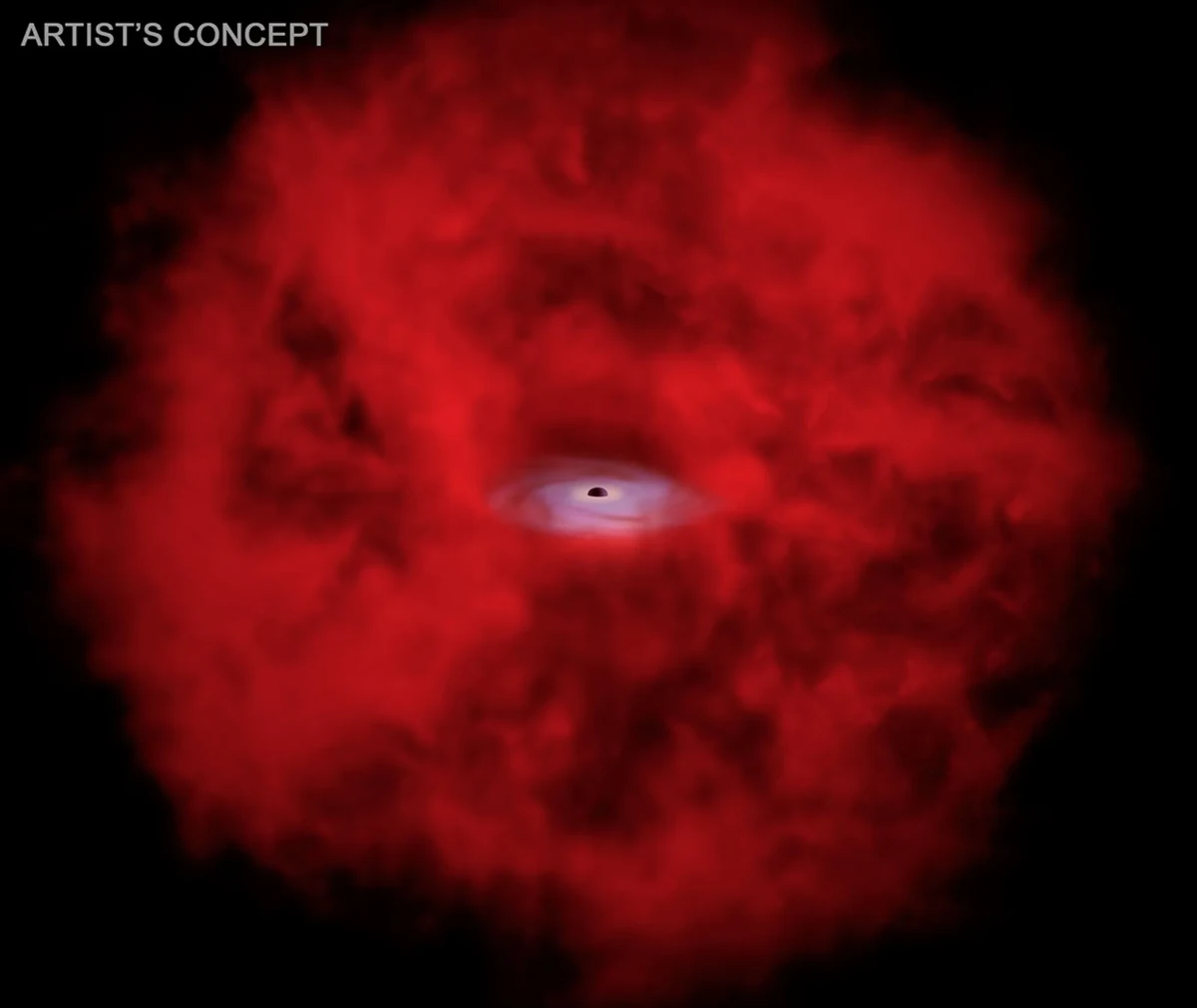
A new “X-ray dot” found by NASA’s Chandra X-ray Observatory – which could look like this artist’s illustration released on April 28, 2026 – could explain what the hundreds or potentially thousands of these objects are. Shortly after NASA’s James Webb Space Telescope started its science observations, reports of a new class of mysterious objects emerged. Astronomers found small, red…
Read More » -
NASA
NASA Connects Little Red Dots with Chandra, Webb
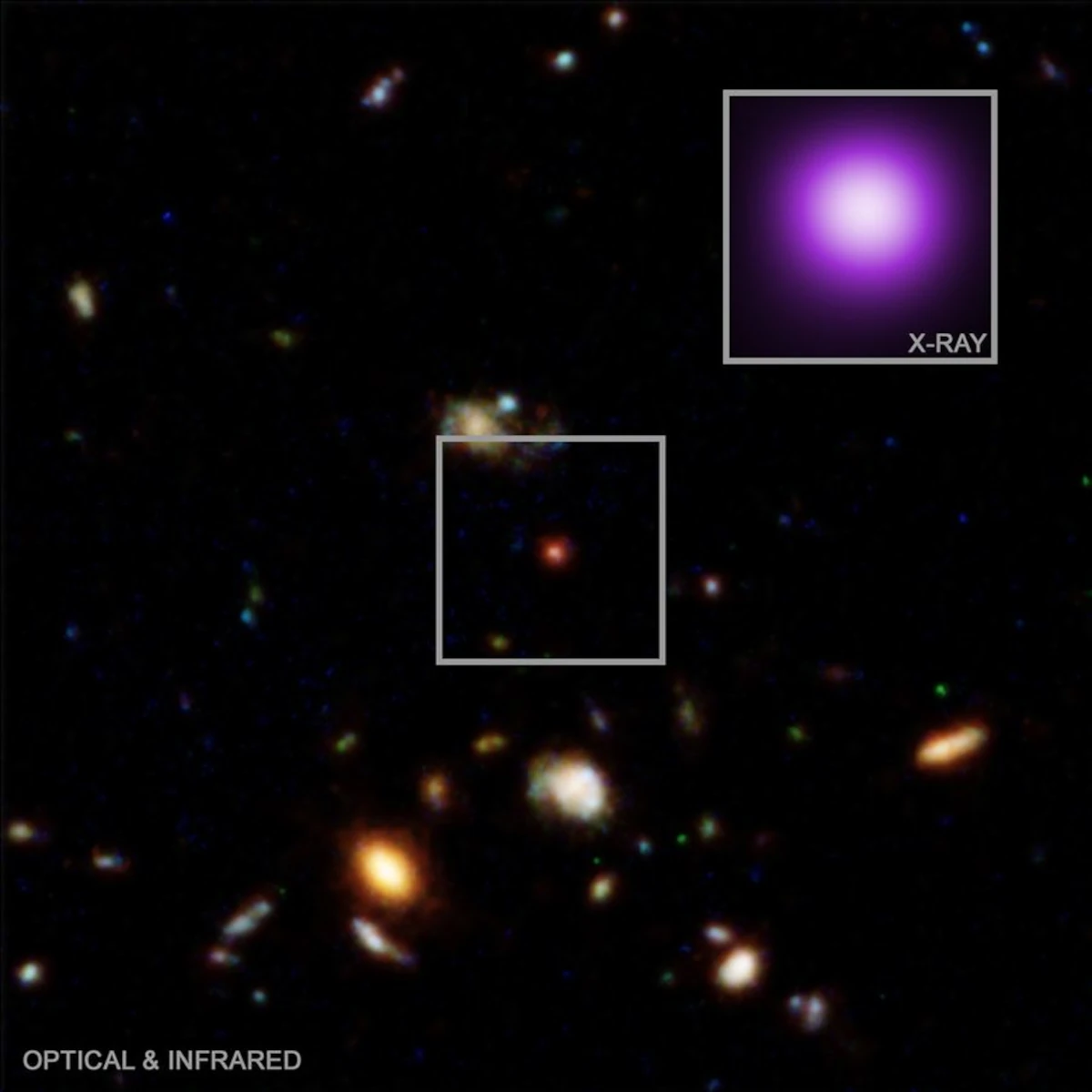
A newly discovered object may be a key to unlocking the true nature of a mysterious class of sources that astronomers have found in the early universe in recent years. A “X-ray dot” found by NASA’s Chandra X-ray Observatory could explain what the hundreds or potentially thousands of these objects are. A paper describing the results published in The Astrophysical…
Read More » -
NASA
NASA’s Chandra Finds Young Stars Dim Quickly
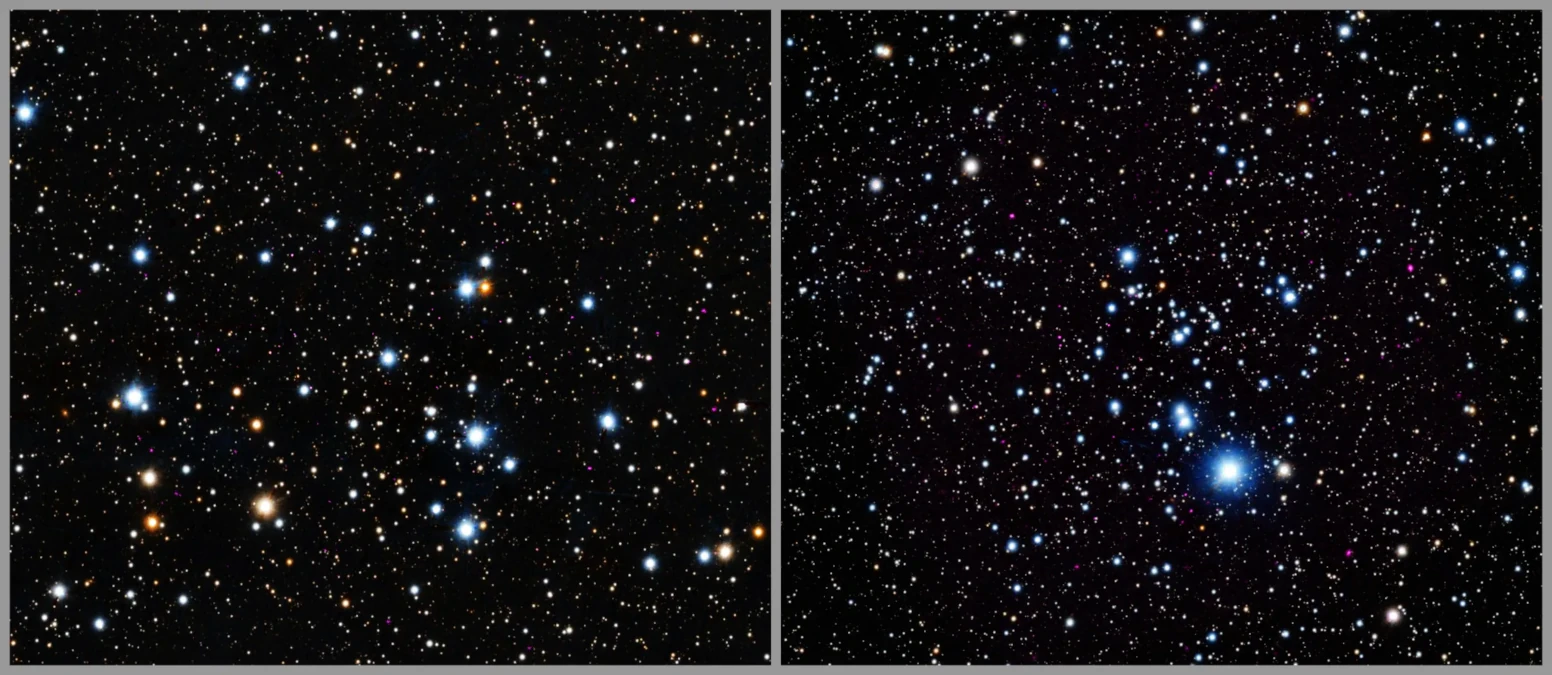
These images, released on April 14, 2026, show two open star clusters, Trumpler 3 (left) and NGC 2353 (right). They represent a recent study from NASA’s Chandra X-ray Observatory that shows how young Sun-like stars are dimmer in X-rays than previously thought. This latest study looked at eight clusters of stars between the ages of 45 million and 750 million years old.…
Read More » -
NASA

Blowing Stellar Bubbles
For the first time, a young, Sun-like star has been caught red-handed blowing bubbles in the galaxy, by astronomers using NASA’s Chandra X-ray Observatory. The bubble – called an “astrosphere” – completely surrounds the juvenile star in this image released on Feb. 23, 2026. Winds from the star’s surface are blowing up the bubble and filling it with hot gas…
Read More » -
NASA
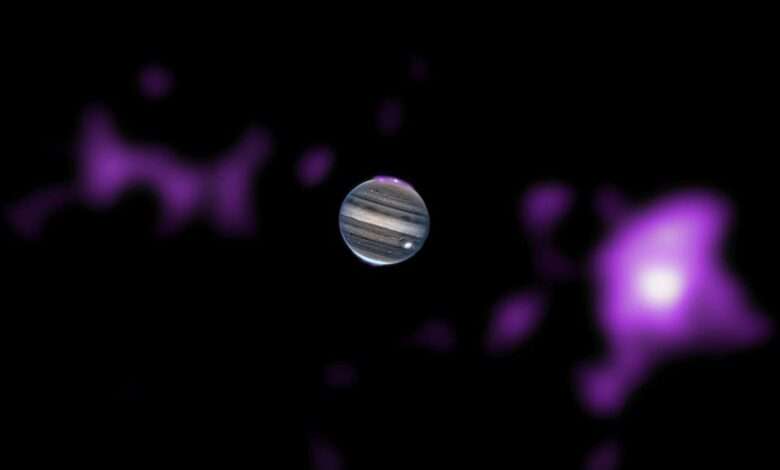
Listen to This Month’s ‘Planetary Parade’ With NASA’s Chandra
In late February, people in the Northern Hemisphere can look up for a special sight: six planets will all be visible from clear and dark night skies. New sonifications from NASA’s Chandra X-ray Observatory released Feb. 25 will help commemorate this latest “planetary parade.” Because the planets in our solar system travel around the Sun in the same plane (known as…
Read More » -
NASA
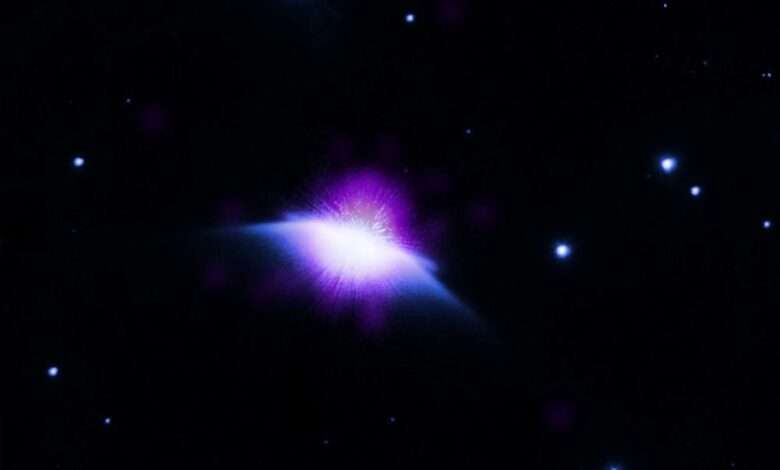
Young ‘Sun’ Caught Blowing Bubbles by NASA’s Chandra
For the first time, a much younger version of the Sun has been caught red-handed blowing bubbles in the galaxy, by astronomers using NASA’s Chandra X-ray Observatory. HD 61005 in X-ray, infrared, and optical light CurtainToggle2-UpImage Details The bubble – called an “astrosphere” – completely surrounds the juvenile star. Winds from the star’s surface are blowing up the bubble and…
Read More » -
NASA

NASA Telescopes Spot Surprisingly Mature Cluster in Early Universe
A new discovery captures the cosmic moment when a galaxy cluster – among the largest structures in the universe – started to assemble only about a billion years after the big bang, one or two billion years earlier than previously thought. This result, made using NASA’s Chandra X-ray Observatory and James Webb Space Telescope, will lead astronomers to rethink when…
Read More » -
NASA
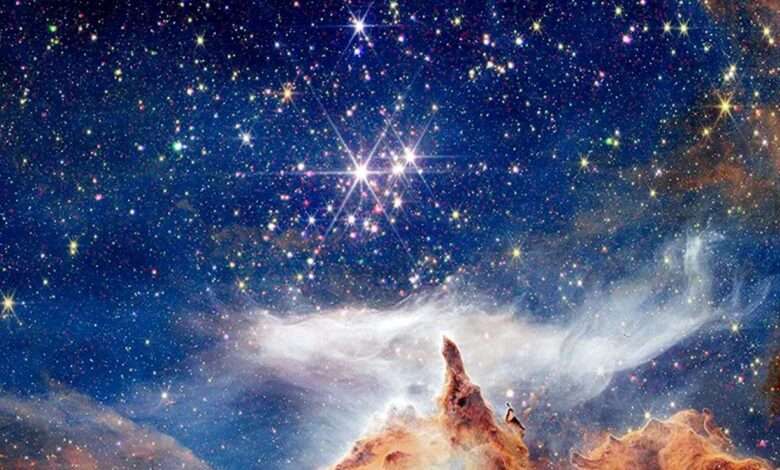
Chandra, Webb Catch Twinkling Lights
Data from Chandra adds red, green, and blue twinkling lights in this Dec. 22, 2025, image of Pismis 24 from NASA’s James Webb Space Telescope. Pismis 24 is a young cluster of stars in the core of the nearby Lobster Nebula, approximately 5,500 light-years from Earth in the constellation Scorpius. Home to a vibrant stellar nursery and one of the closest…
Read More » -
NASA

NASA’s Chandra Releases Deep Cut From Catalog of Cosmic Recordings
Like a recording artist who has had a long career, NASA’s Chandra X-ray Observatory has a “back catalog” of cosmic recordings that is impossible to replicate. To access these X-ray tracks, or observations, the ultimate compendium has been developed: the Chandra Source Catalog (CSC). The CSC contains the X-ray data detected up to the end of 2020 by Chandra, the world’s premier X-ray telescope and one…
Read More »